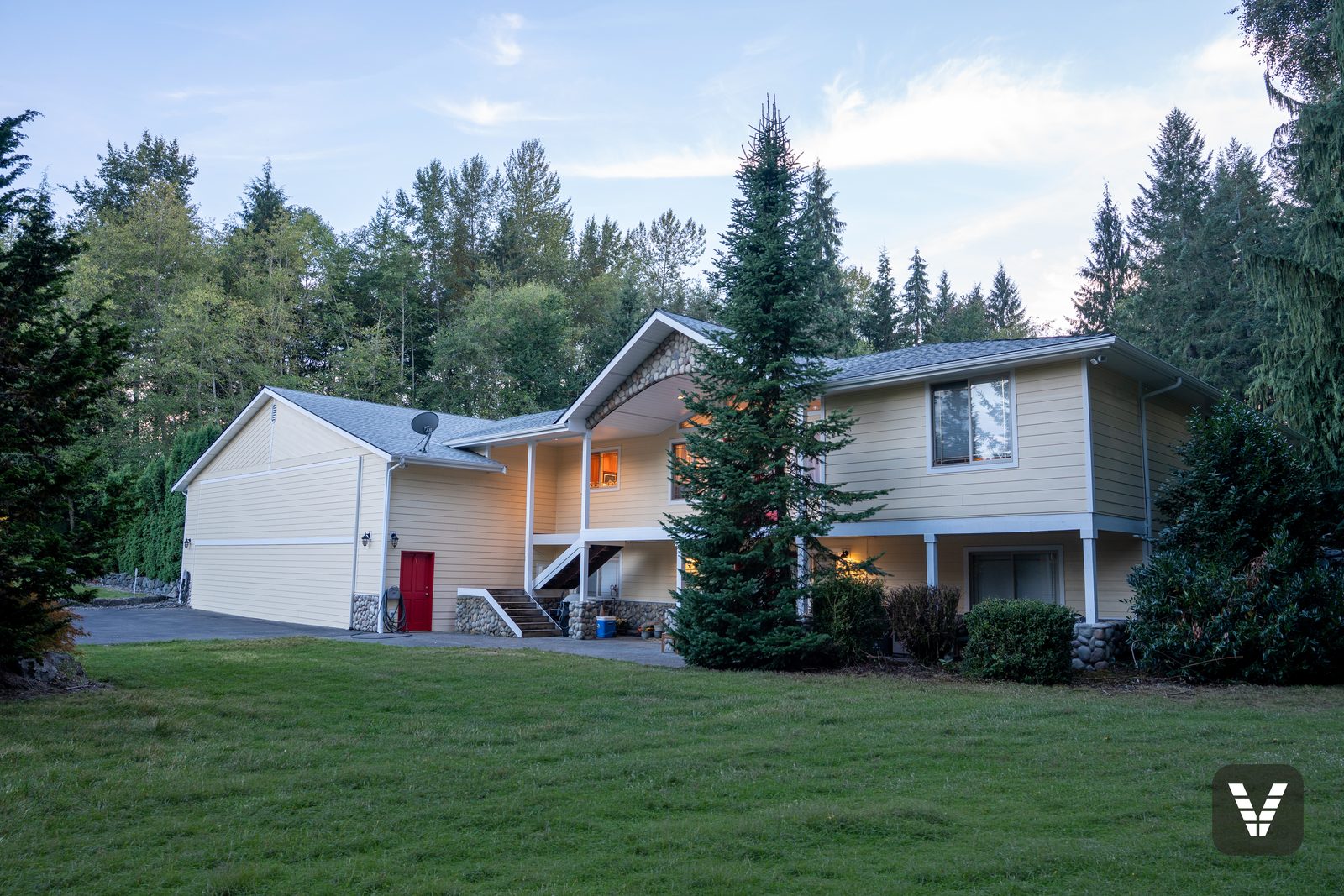
Lead Siding Replacement · Pre-1978 Homes · Northwest Washington
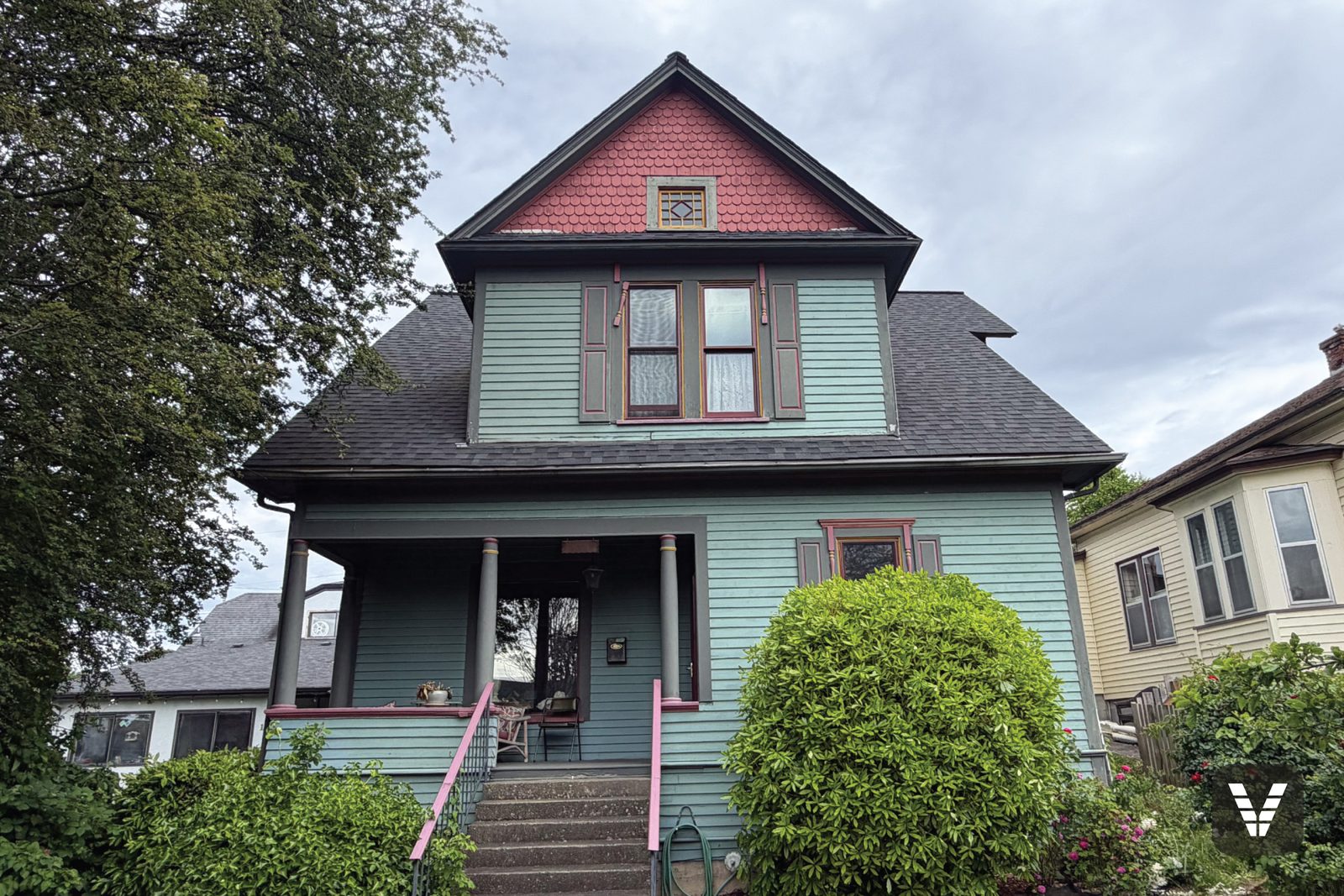
If your home was built before 1978, the paint on its siding may contain lead. We replace it with containment, lead-safe work practices, and proper disposal — removing the hazard from your walls for good instead of repainting over it.
Request a free, no-obligation estimate — we'll tell you whether your siding likely carries lead paint and what safe replacement involves.



Removing lead-painted siding the wrong way — dry-scraping, power-sanding, letting chips fall into the garden — spreads lead dust exactly where kids and pets play. The EPA's Renovation, Repair and Painting (RRP) rule exists for this reason, and our removal process is built around it.
Proper testing tells us which walls carry lead and in which layers — the scope and the price are built on results, not guesses.
Kids, pets, gardens, and play areas mapped before work starts, with the few practical precautions walked through in plain language.
Heavy ground covers and barriers around each elevation catch every chip and flake before it reaches soil, gardens, or a neighbor's yard.
Siding comes off in pieces, wet where needed, with none of the prohibited practices — no open burning, no uncontrolled power-sanding, no dry-scraping clouds.
Work zones are HEPA-vacuumed and wet-cleaned daily, not just at the end — the site stays livable while we work.
Debris leaves in sealed packaging and is disposed of per the rules that apply to renovation waste in your county.
With the wall open, rot and water damage get found, photographed, and rebuilt — old walls deserve the look while they're accessible.
Weather barrier detailed for wind-driven rain and new lead-free siding installed under the same scope — the hazard gone for good.
The year is the first clue: lead in residential paint wasn't banned until 1978, and the older the home, the higher the odds — most pre-1960 exteriors carry it in at least one layer. Visual hints include paint failing in a cracked, scaly "alligator" pattern and a chalky residue that rubs off on your hand. But looks only suggest; a test confirms.
Hardware-store swab kits give a quick read on the top layer, but lead usually hides in the older layers underneath. Before disturbing siding we confirm with proper testing so nobody is guessing about what the crew is handling — and so you know what you're paying for and why.
Encapsulating lead paint under new coats is legal and sometimes reasonable — but it's a maintenance commitment, not a solution. Every future repaint means containment and lead-safe prep all over again, and every year of weathering sheds a little more paint into your soil. On siding that's also nearing the end of its life, you'd be paying premium prep costs to preserve a wall that's failing anyway.
Replacement ends the cycle: the lead leaves your property in sealed disposal, the sheathing underneath gets inspected and repaired, and the new exterior — fiber cement, LP SmartSide, or another material — starts clean, with no hazardous layers for anyone to manage again.

From the Canadian border to north Seattle, plus the San Juans by ferry from Anacortes — these cities and surrounding areas. Pick your city for local project photos, permit notes, and reviews.
A free on-site estimate for your pre-1978 home — testing guidance, a lead-safe removal plan, and a clean new exterior.