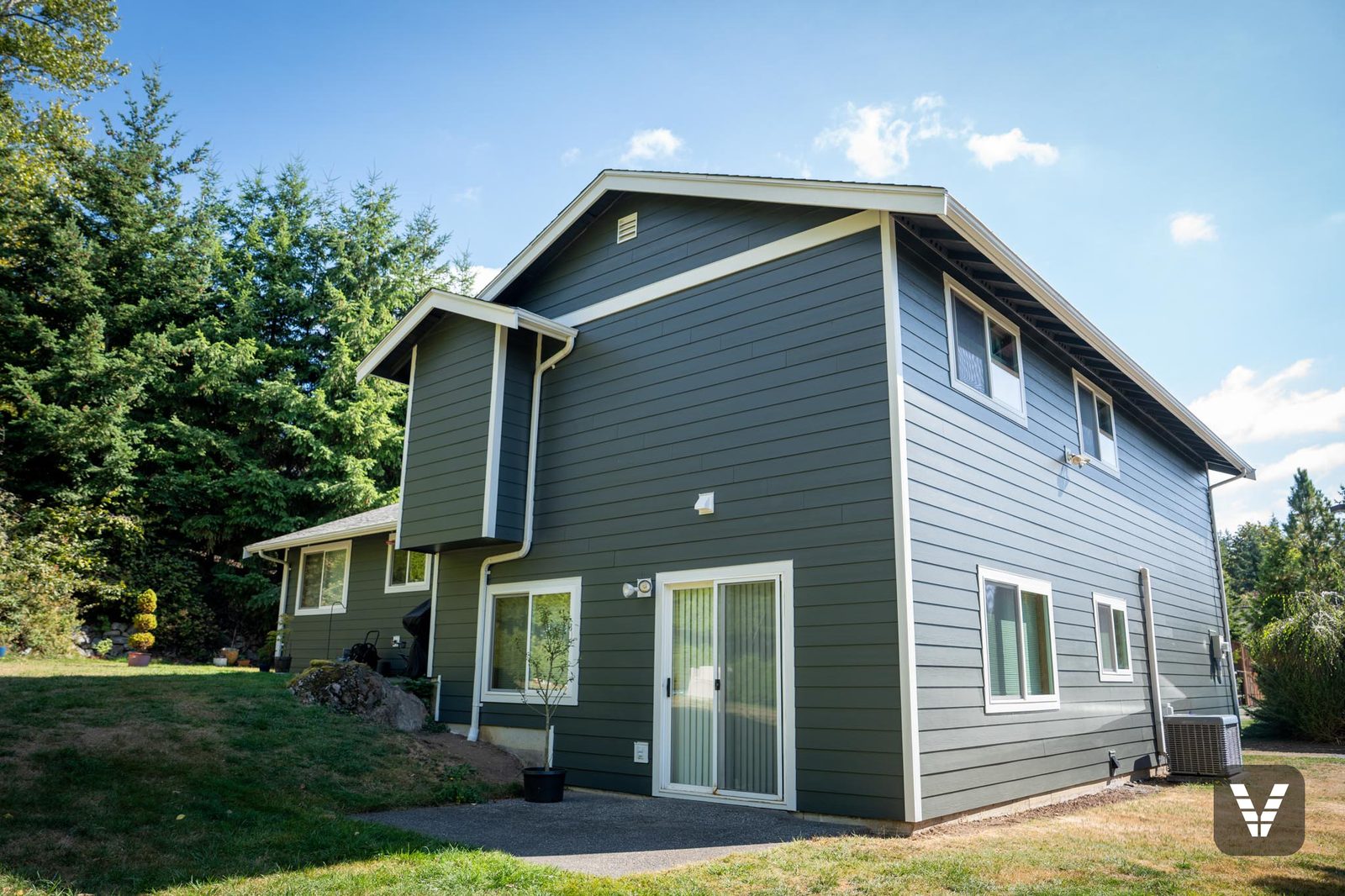
Asbestos Siding Replacement · Northwest Washington
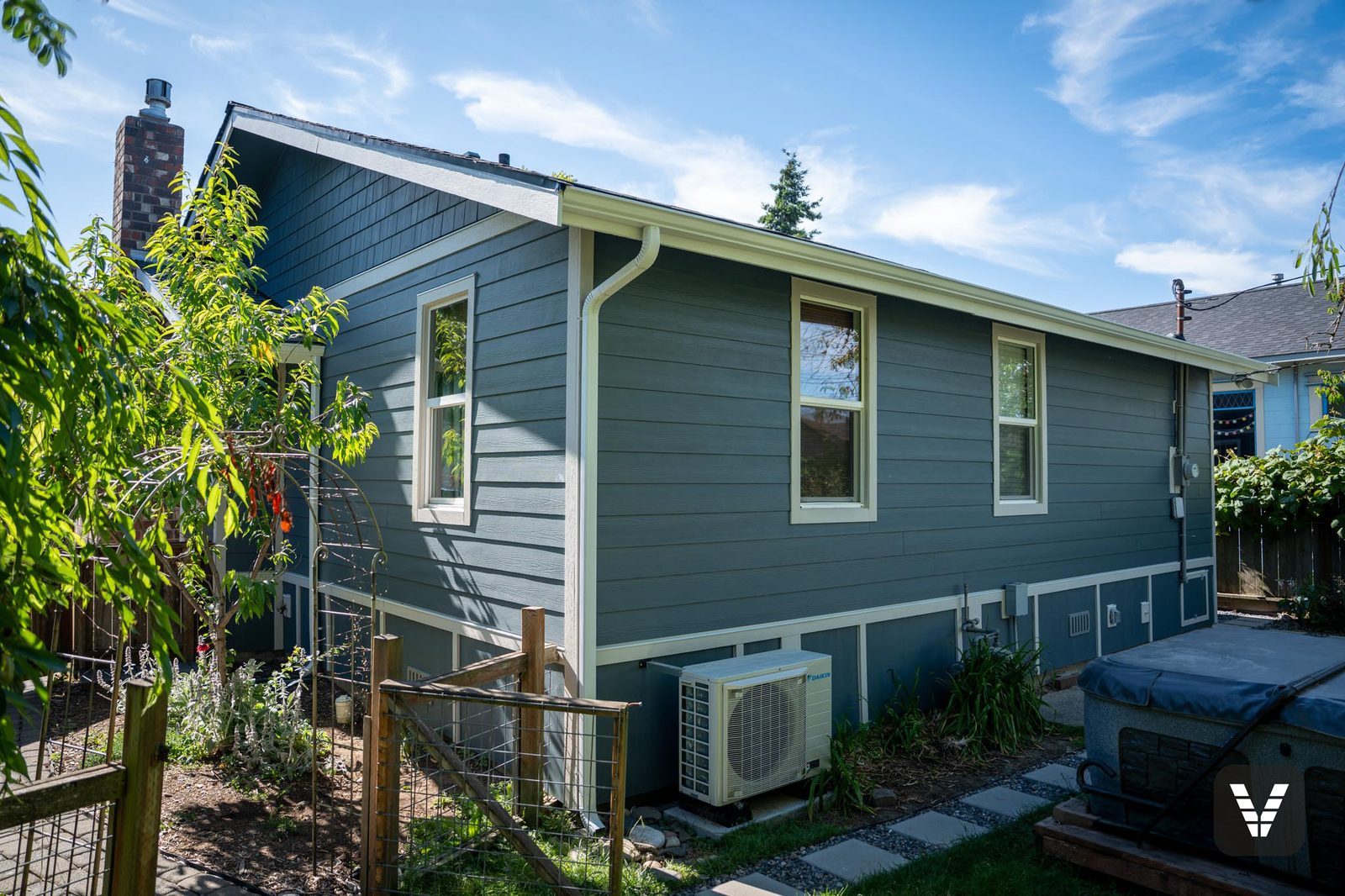
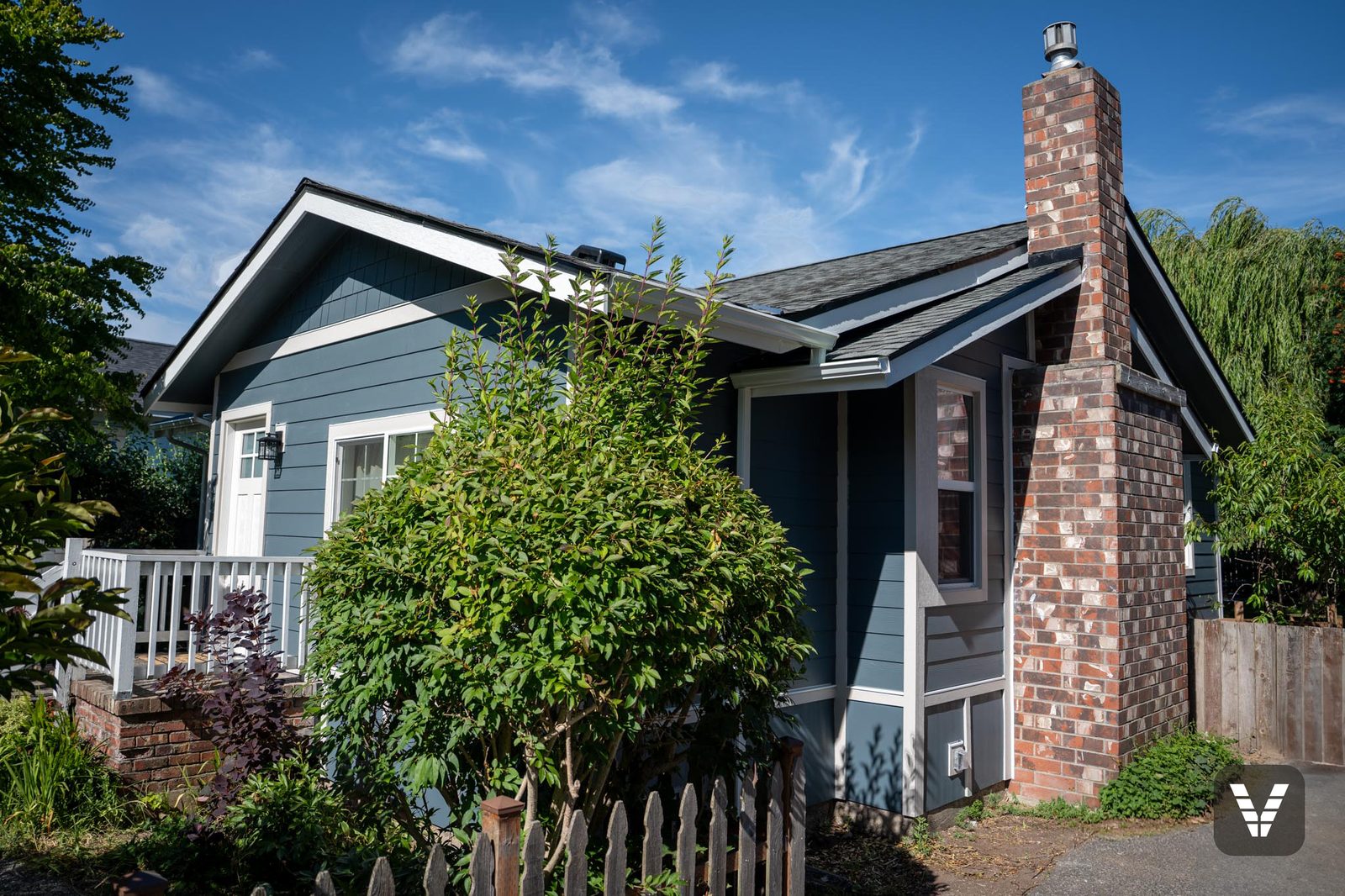
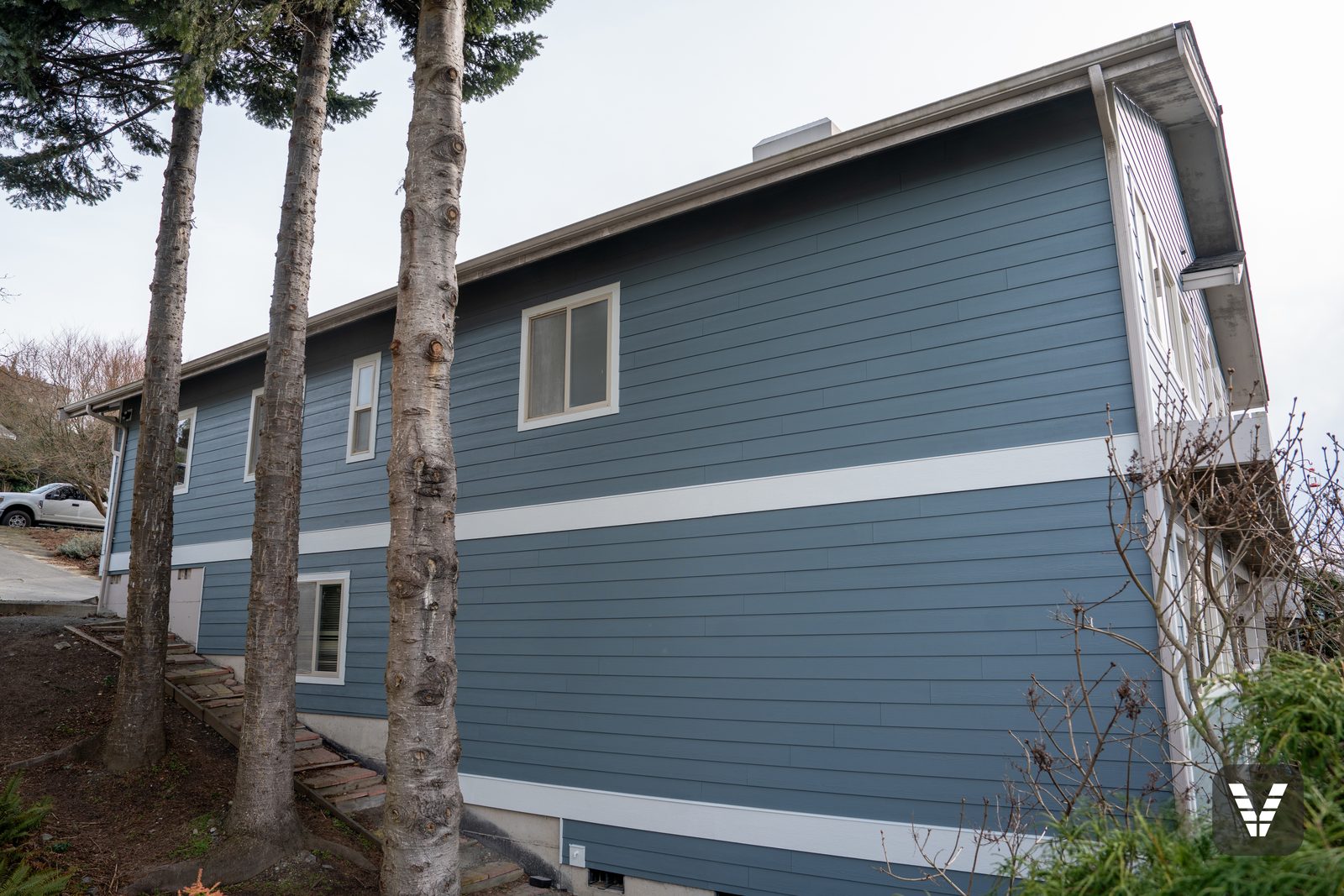
Cement-asbestos shingles sided thousands of Northwest homes from the 1920s through the 1970s. Removal belongs to a certified specialist — so we partner with our preferred asbestos removal contractor, then our crew installs your new siding immediately after. One coordinated project, no shortcuts.
Request a free, no-obligation estimate — we'll tell you whether your siding looks like cement-asbestos shingle and what safe replacement involves.



Our crew is not certified in asbestos handling — and neither is almost any siding crew. Asbestos removal is its own regulated specialty, and there are very few contractors in the region certified to do it. That's why we partner directly with our preferred specialized asbestos removal contractor: they take the shingles off safely, and our crew follows immediately behind them to install your new siding. One coordinated project, instead of the stressful juggling act homeowners usually face.
A small sample goes to a lab. If it comes back clean, you've saved the abatement cost; if not, the scope is built on facts.
Regulated asbestos work requires notice before removal begins. We handle the filings and the timeline around them.
We sequence our specialized removal partner and our team back to back — you never manage two contractors or a house left waiting between them.
Our preferred certified asbestos removal contractor takes the shingles off with containment and wetting protocols — the regulated, fiber-safe way. Not our crew, by design.
Debris leaves in sealed packaging to a facility approved for asbestos waste, with the documentation to prove it.
With the wall finally open, our crew inspects and repairs the sheathing — the step siding-over-it skips forever.
Our crew follows immediately after removal — modern weather barrier, flashing detailed for wind-driven rain, and the siding you chose.
Final walkthrough with touch-ups on the spot, plus the testing and disposal documentation for your records and any future sale.
Honest answer: intact cement-asbestos siding is one of the lower-risk asbestos products in a home. The fibers are locked in a hard cement matrix — the material is "non-friable," meaning it doesn't crumble under hand pressure. A wall of sound, painted shingles isn't shedding fibers into your yard.
The calculus changes the moment shingles crack, get drilled for a cable run, take a weed-whacker hit, or need to come off the wall. Breaking releases fibers, and removal is exactly that — thousands of controlled breaks. That's why removal belongs to licensed abatement professionals with the containment, wetting protocols, and disposal chain the law requires, not to a general crew with pry bars.
Covering asbestos shingles with new siding is sometimes pitched as the cheap path. We don't do it. Furring and fastening through the shingles breaks them anyway; the buried layer becomes a disclosure item that follows every future sale, remodel, and window replacement; and you lose the one chance to inspect and repair the sheathing underneath — on homes this age, that inspection matters.
Removed once, properly, the problem is gone forever. Then the wall gets a modern weather barrier and the siding you actually want — fiber cement is the most popular successor, and it delivers the same fire resistance that made cement-asbestos shingles popular in the first place, with none of the hazard.

From the Canadian border to north Seattle, plus the San Juans by ferry from Anacortes — these cities and surrounding areas. Pick your city for local project photos, permit notes, and reviews.
Testing, licensed abatement, paperwork, and a new exterior — coordinated as one project with one point of contact. Estimates are free.