Fiber Cement Siding · Northwest Washington
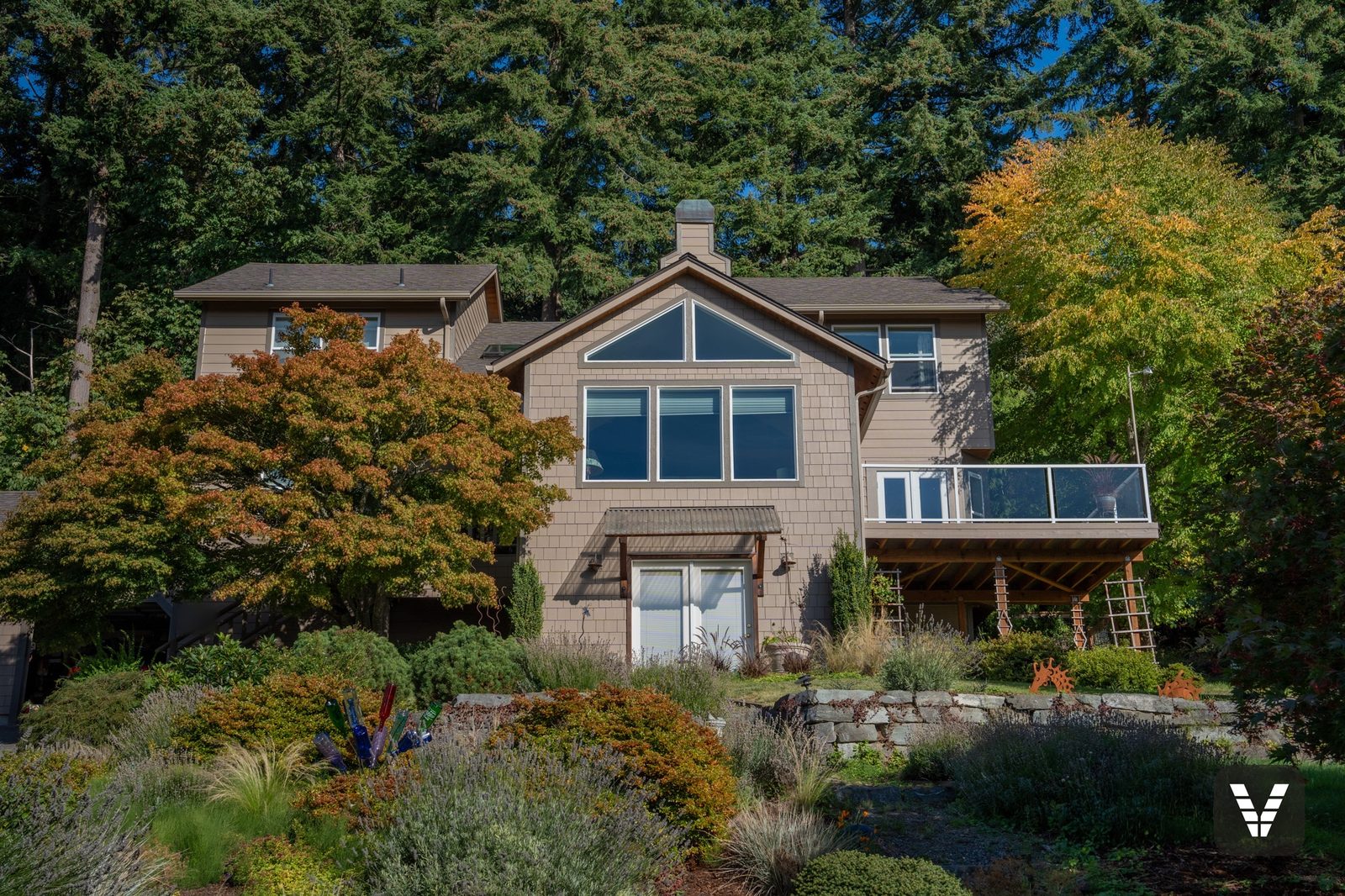
Cement, sand, and cellulose pressed into boards that don't rot, don't feed moss, and don't burn. It's the material we recommend most in this climate — installed by our team to manufacturer spec.
Request a free, no-obligation estimate — or ask about $500 off plus a free 3-D rendering of your home in its new siding.



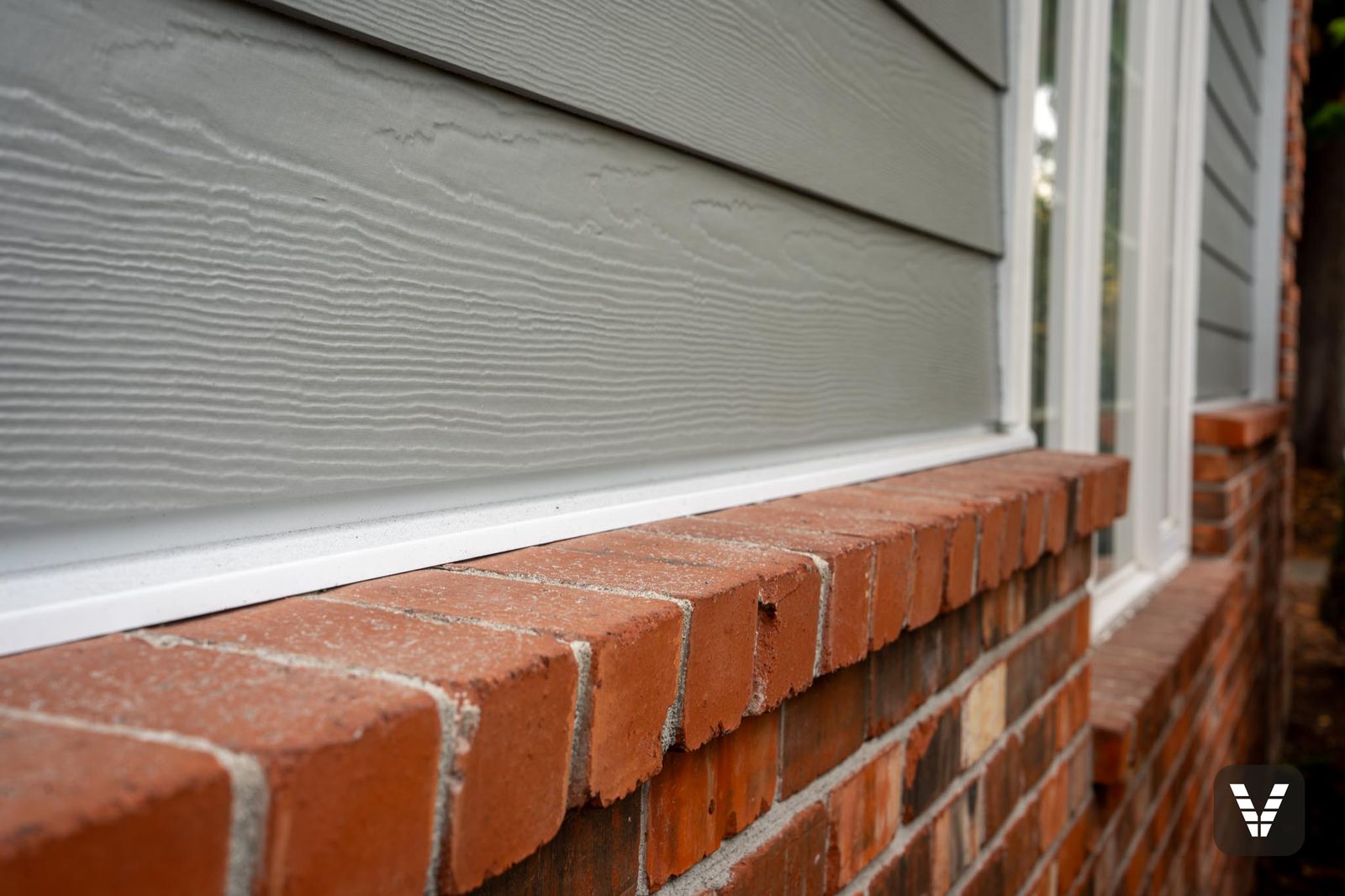
Most siding failures we tear off in this region come down to water and organic material: wood that rotted, composites that swelled, paint that peeled off a damp substrate. Fiber cement removes the food from that equation — there is nothing in the board for moisture or moss to work on.
Cement doesn't rot. Boards shed water and don't swell or delaminate through months of Pacific Northwest damp.
There's no organic surface for moss to root into — a real advantage on shaded north walls and tree-lined lots.
Fiber cement is non-combustible with a Class A fire rating, the highest rating siding can carry.
Insects can't tunnel it and woodpeckers give up on it. Cement isn't on anyone's menu.
Because boards don't expand, contract, or wick moisture, finishes last years longer than on wood.
No warping, cupping, or swelling through freeze-thaw cycles — the board you install is the board you keep.
Cement is inert against salt spray, so fiber cement holds up on waterfront and island homes where wood finishes fail fast.
Major fiber cement lines carry some of the longest substrate warranties in siding — kept intact by manufacturer-spec installation.
Fiber cement is Portland cement, sand, and cellulose fiber cured into dense boards, panels, and trim. The cement gives it stability — it doesn't expand and contract the way wood and vinyl do — and the cellulose keeps it workable enough to cut, nail, and detail like lumber. The result holds paint far longer than wood because the surface underneath isn't moving or wicking moisture.
One thing fiber cement is not: waterproof armor. Boards shed water, but the wall behind them still needs a properly detailed weather barrier and flashing — especially here, where storms drive rain sideways into every seam. That's why we install to manufacturer spec on fastening, clearances, and joint treatment on every project.
Vinyl costs less up front and never needs paint, but it gets brittle with age, can crack in cold snaps, and can't be refinished when the color fades. Wood is beautiful and repairable, but in this climate it demands a finish cycle every few years and vigilance about moss and rot. Fiber cement sits in the middle: more up front than vinyl, less upkeep than wood, and the longest useful life of the three when installed correctly.
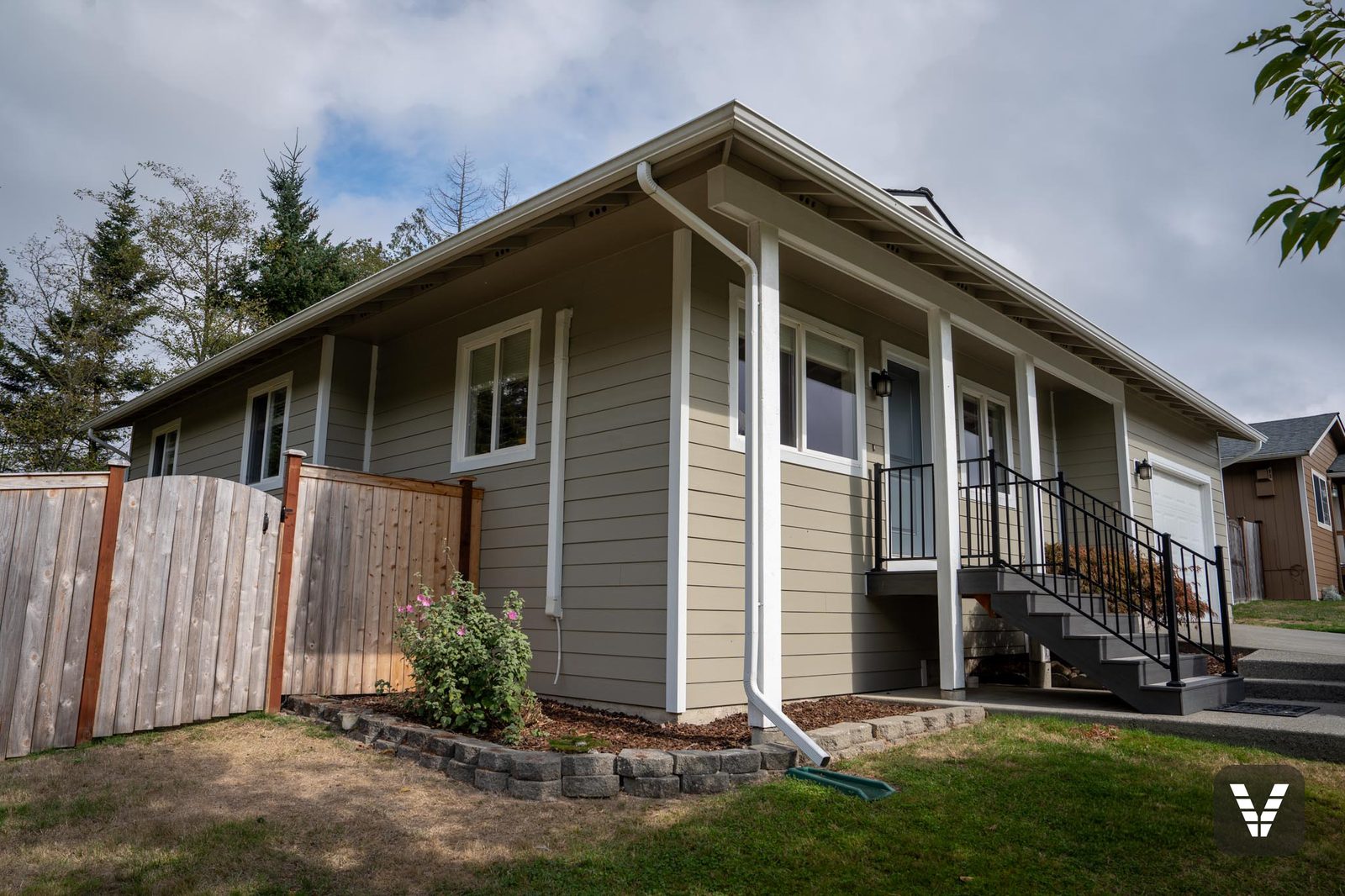
We install fiber cement from James Hardie — where we hold Elite Contractor status — and can quote other fiber cement lines when a project calls for them. Compare boards, textures, and colors in person at our Anacortes showroom.

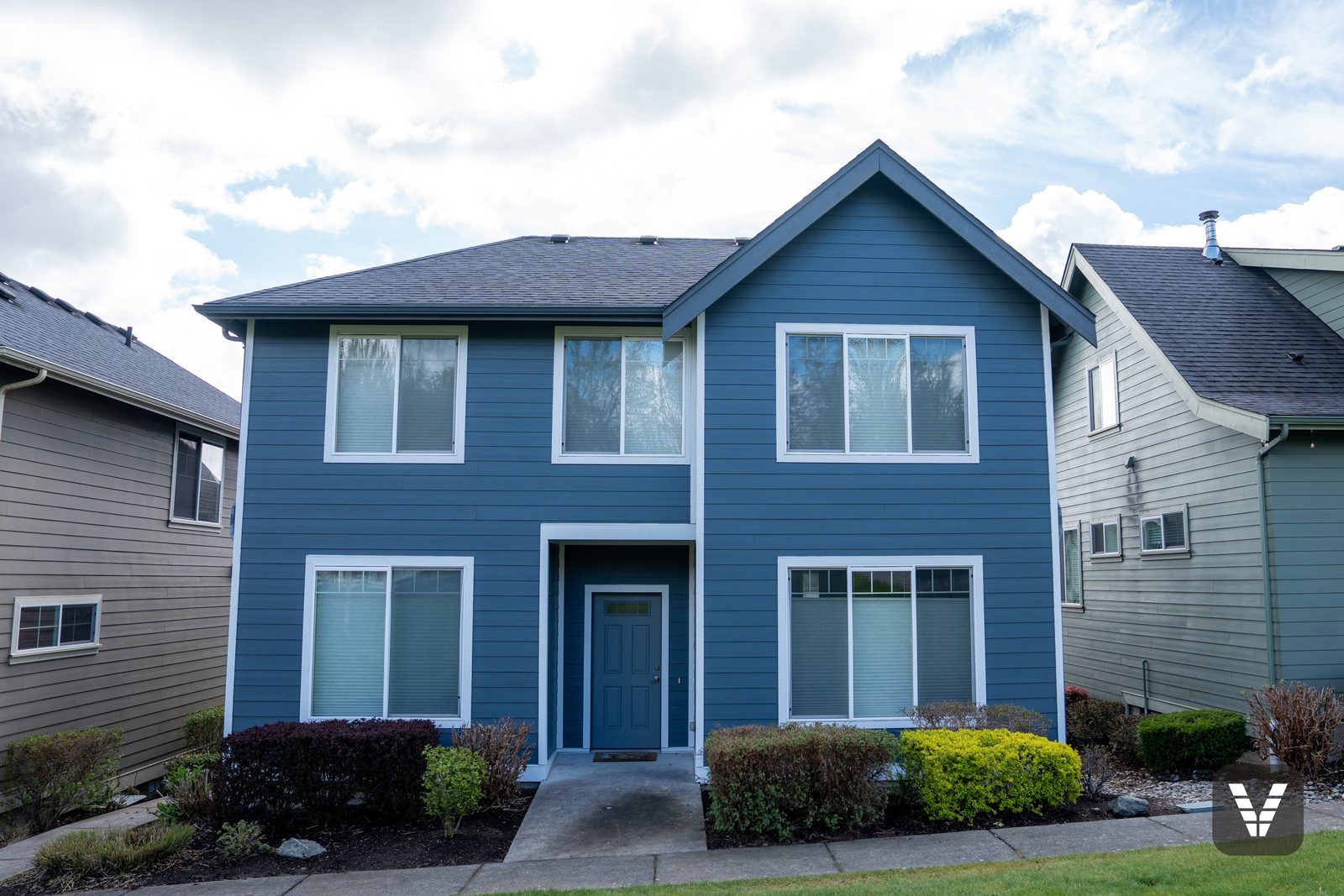
From the Canadian border to north Seattle, plus the San Juans by ferry from Anacortes — these cities and surrounding areas. Pick your city for local project photos, permit notes, and reviews.
See fiber cement boards, textures, and colors in person at our Anacortes showroom — or start with a free on-site estimate.