Home Rot Repair · Add-On Service · Northwest Washington
Soft trim, spongy siding, a window sill you can press a thumb into — rot is a water problem wearing a wood costume. We rebuild the sheathing, framing, and trim, then fix the flashing failure that let water in.
Request a free, no-obligation inspection — we'll find where the water gets in, show you photos, and price the repair honestly.



Replace a rotted board without fixing the flashing above it and you've bought the same repair again in five years. Every rot job we take starts by tracing the water — a missing kickout, a failed window corner, a deck ledger, caulk doing a flashing's job — and the fix covers both.
Failed flashing at openings sends water straight into sills and king studs — the most common rot we rebuild.
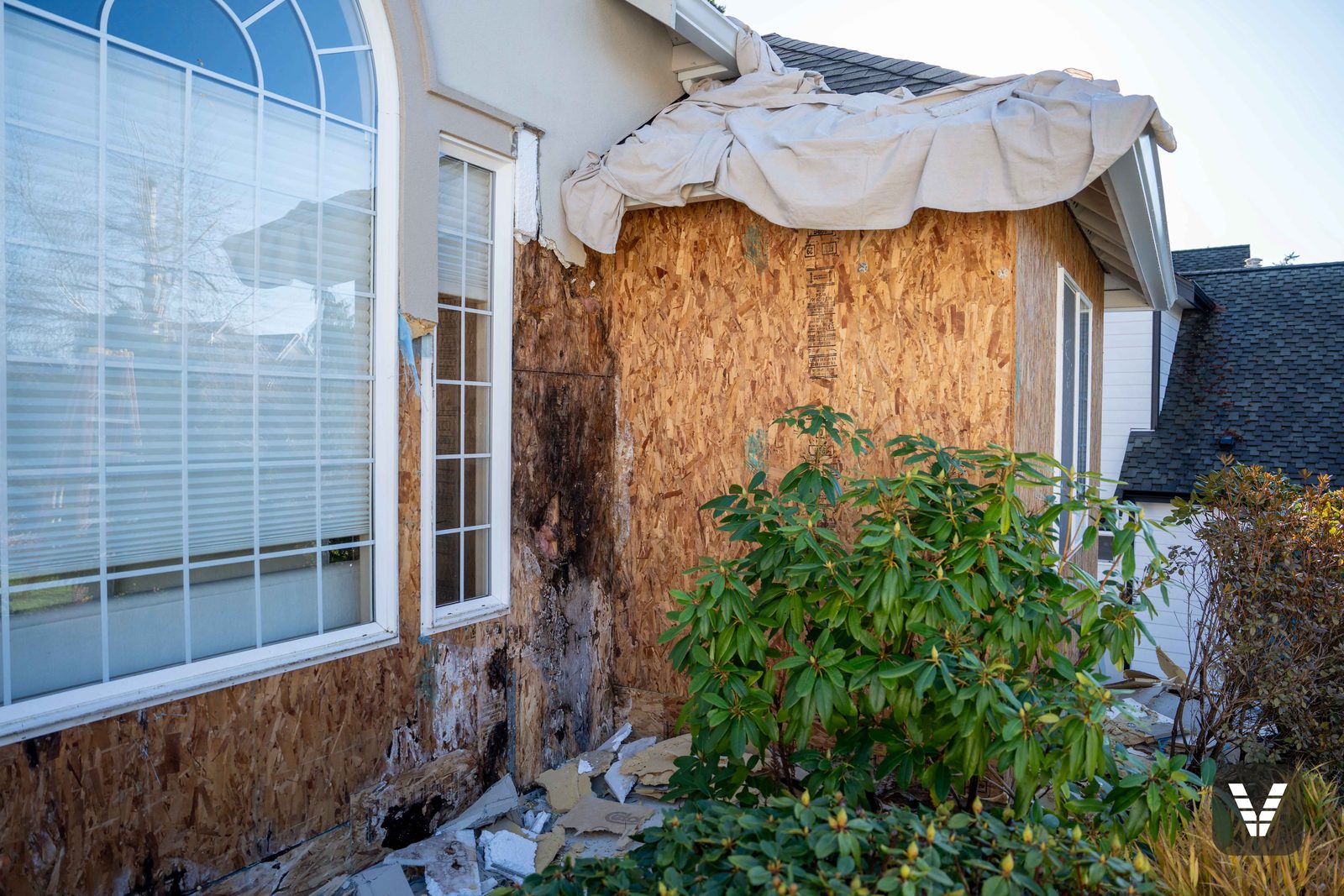
Spongy walls opened to sound wood, sheathing and studs replaced, and the wall closed over a proper weather barrier.
The deck-to-house connection, rebuilt and flashed so the deck stops feeding water into your floor framing.
Rooflines and gutter-adjacent trim — where kickout flashing was skipped — replaced in rot-resistant materials.
Boards wicking from grade contact or splash-back, corrected with the clearances the original install skipped.
Porch posts and columns rotting from the bottom up, rebuilt with standoffs that keep new wood out of the water.
Walls below dormers and roof edges where step flashing failed — opened, rebuilt, and re-flashed as one detail.
Horizontal trim bands that catch water on their top edge, rebuilt with the cap flashing the original install left off.
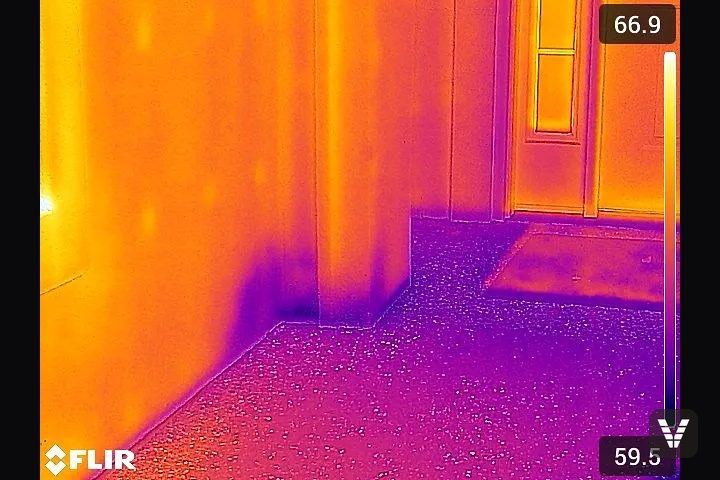
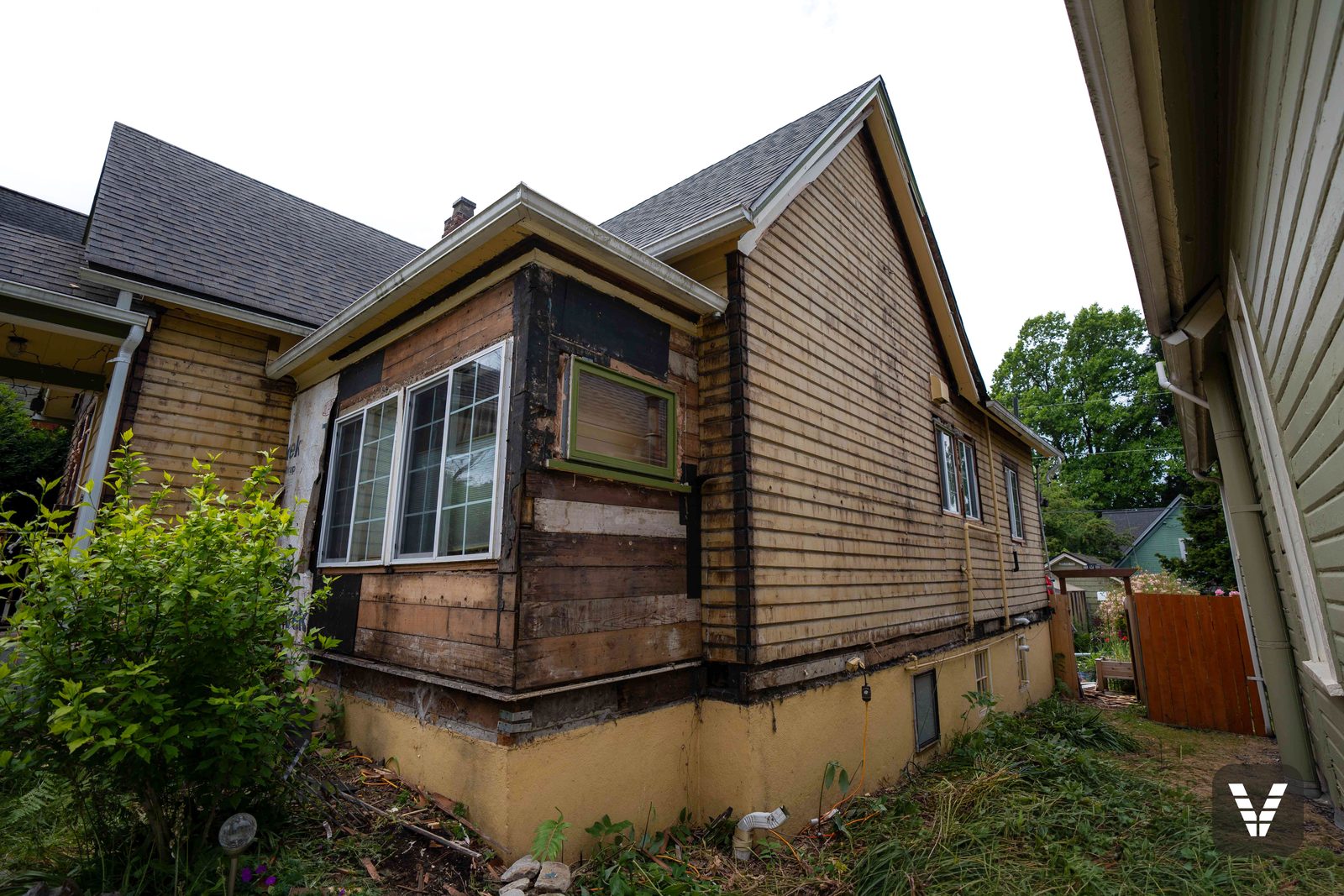
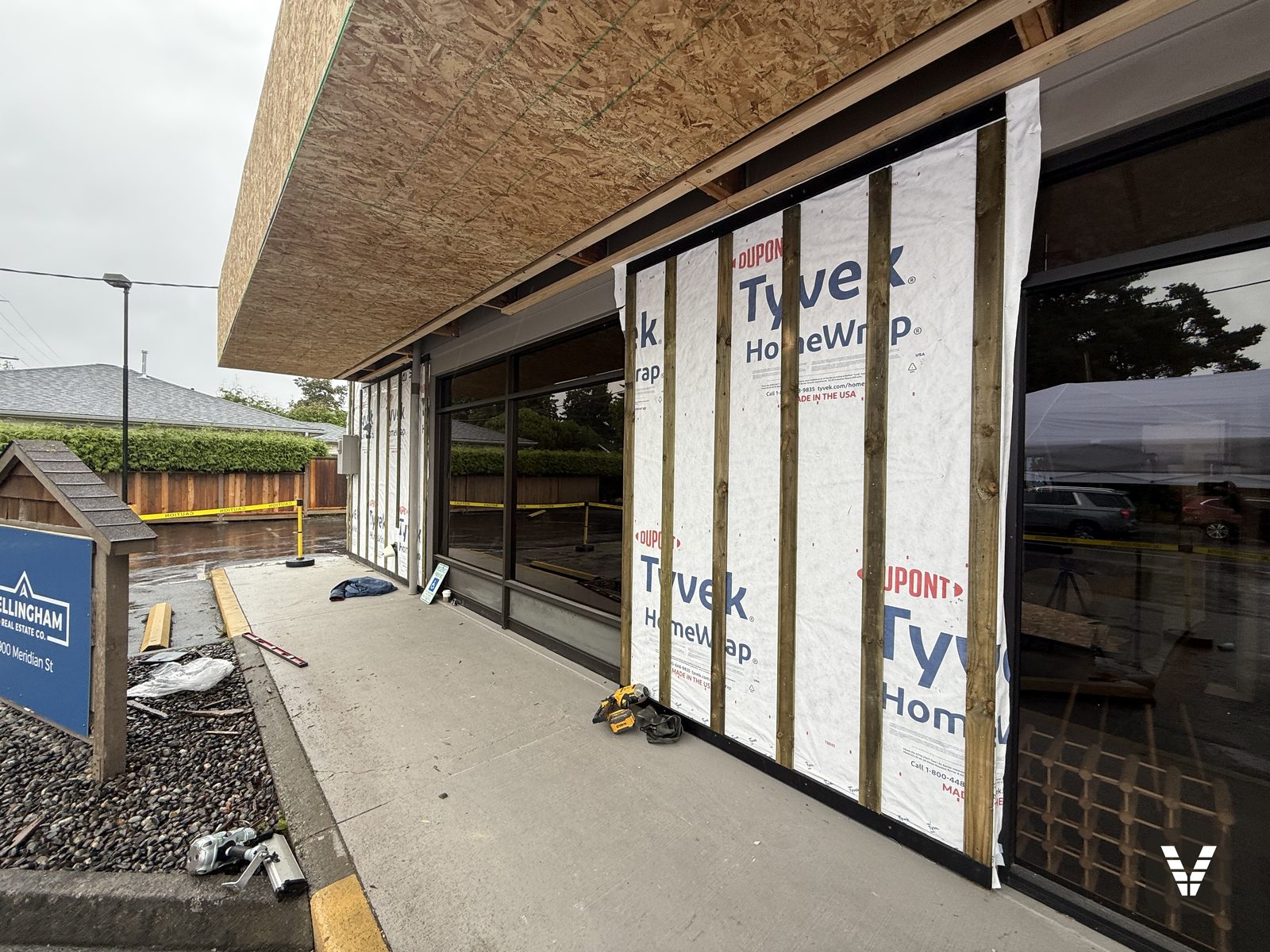
First we open the area up — rot is always bigger than the stain suggests, and the only honest scope comes from seeing the full extent. Everything gets photographed and shown to you before rebuild pricing is settled, so you're deciding with the same information we have. Then damaged sheathing, framing, and trim come out to sound wood, the structure is rebuilt, and the water path that caused it gets flashed correctly before new siding closes the wall.
What we won't do is cosmetic dentistry: hardening compounds and filler over structural rot, or new paint over soft trim. Those have their place on a genuinely small spot — and we'll say so when that's the case — but they're not a repair, they're a delay.
Rot spreads at the speed of moisture, and in a wind-driven-rain climate that's fast. A soft corner of trim this year is a sheathing patch; ignored for three, it's framing, insulation, and sometimes interior drywall. The signs worth calling about: paint bubbling or peeling in one spot, trim that dents under a thumb, dark staining below windows or deck ledgers, and that sweet, mushroomy smell near the base of a wall.
Rot repair is also built into every siding replacement and window project we do — it's the reason we insist on full tear-offs. If you're planning either, the rot gets found and fixed as part of that scope rather than as a surprise afterward.

From the Canadian border to north Seattle, plus the San Juans by ferry from Anacortes — these cities and surrounding areas. Pick your city for local project photos, permit notes, and reviews.
A free inspection with photos and an honest scope — the repair, and the flashing fix that keeps it from coming back.