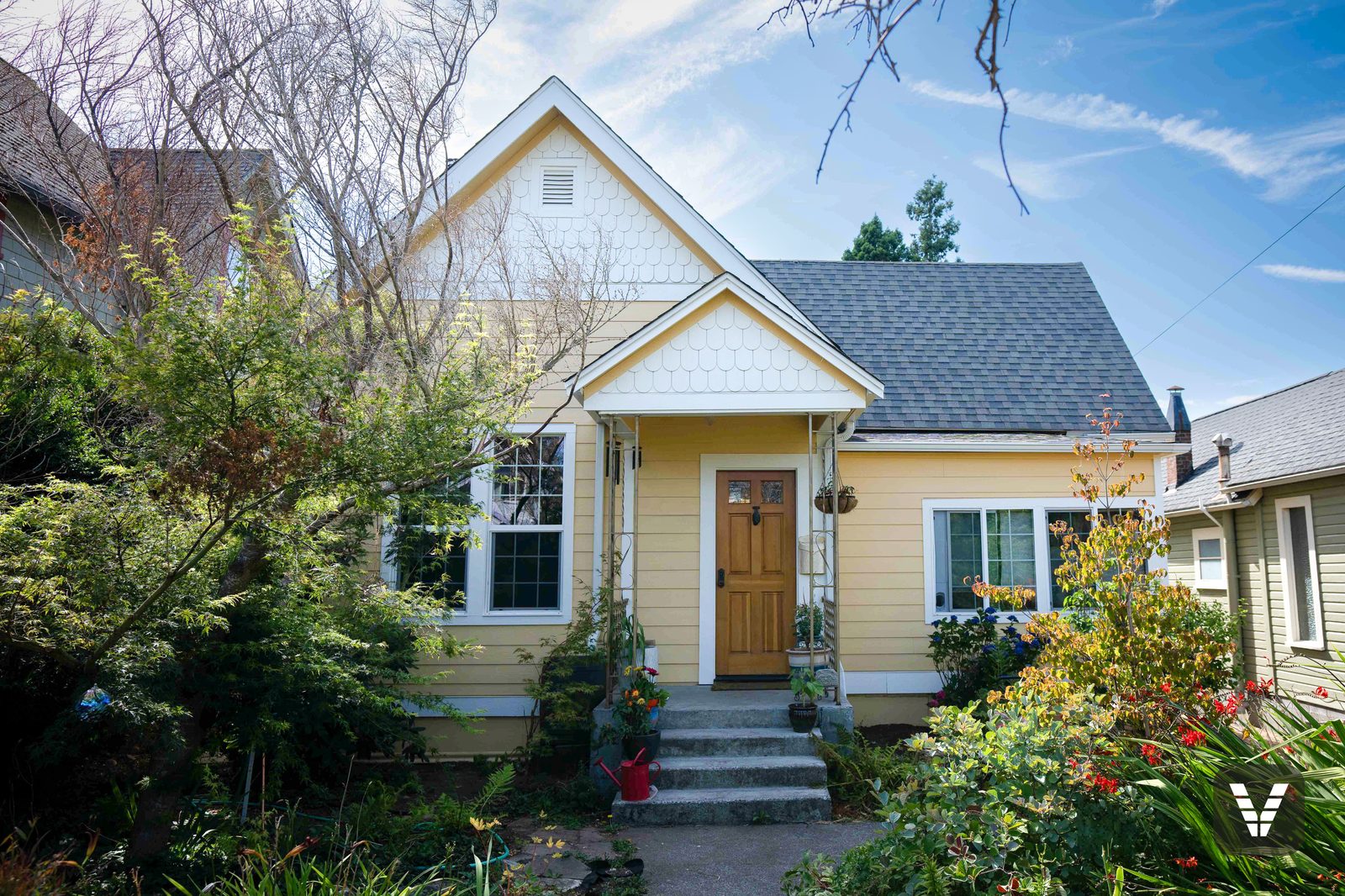
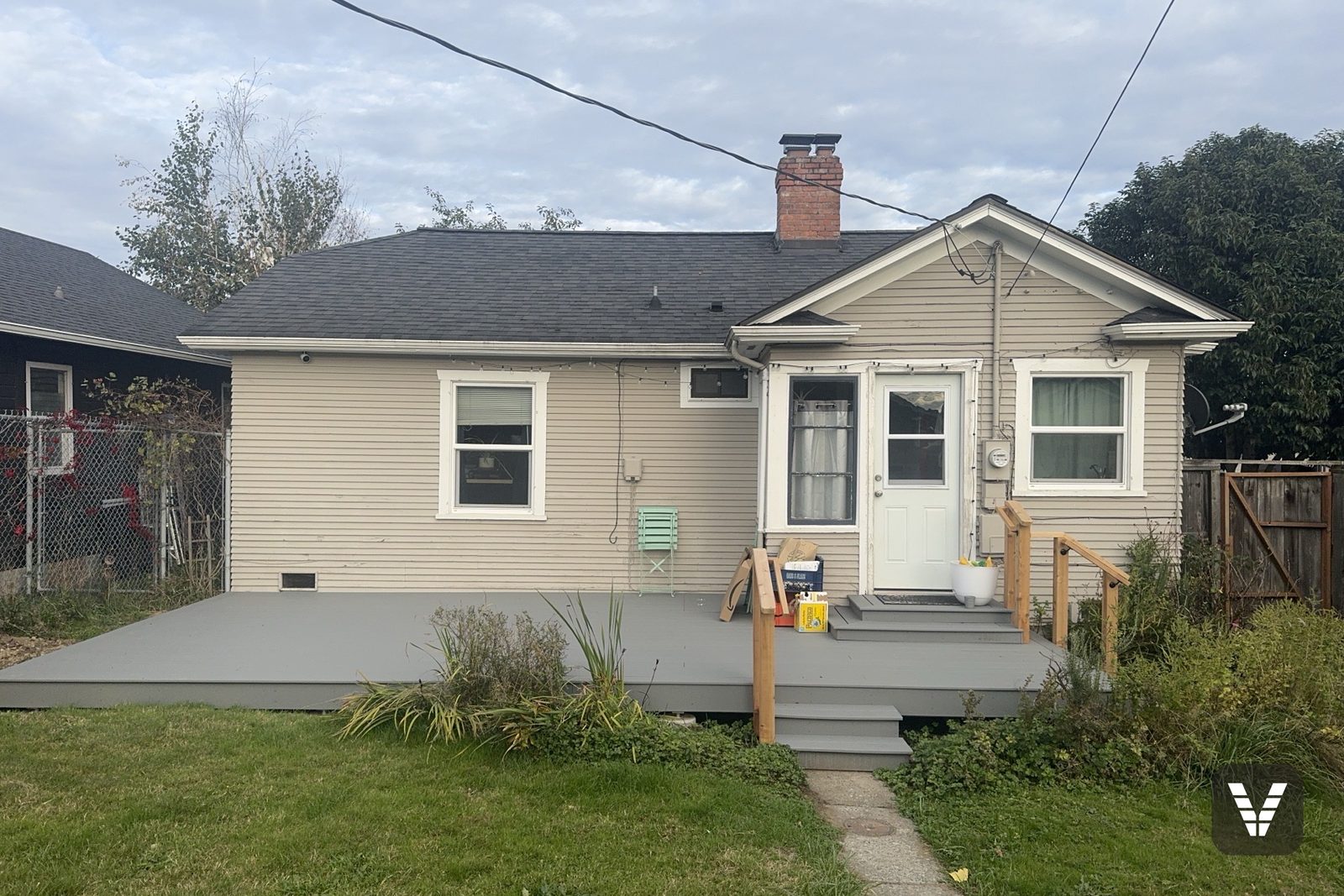
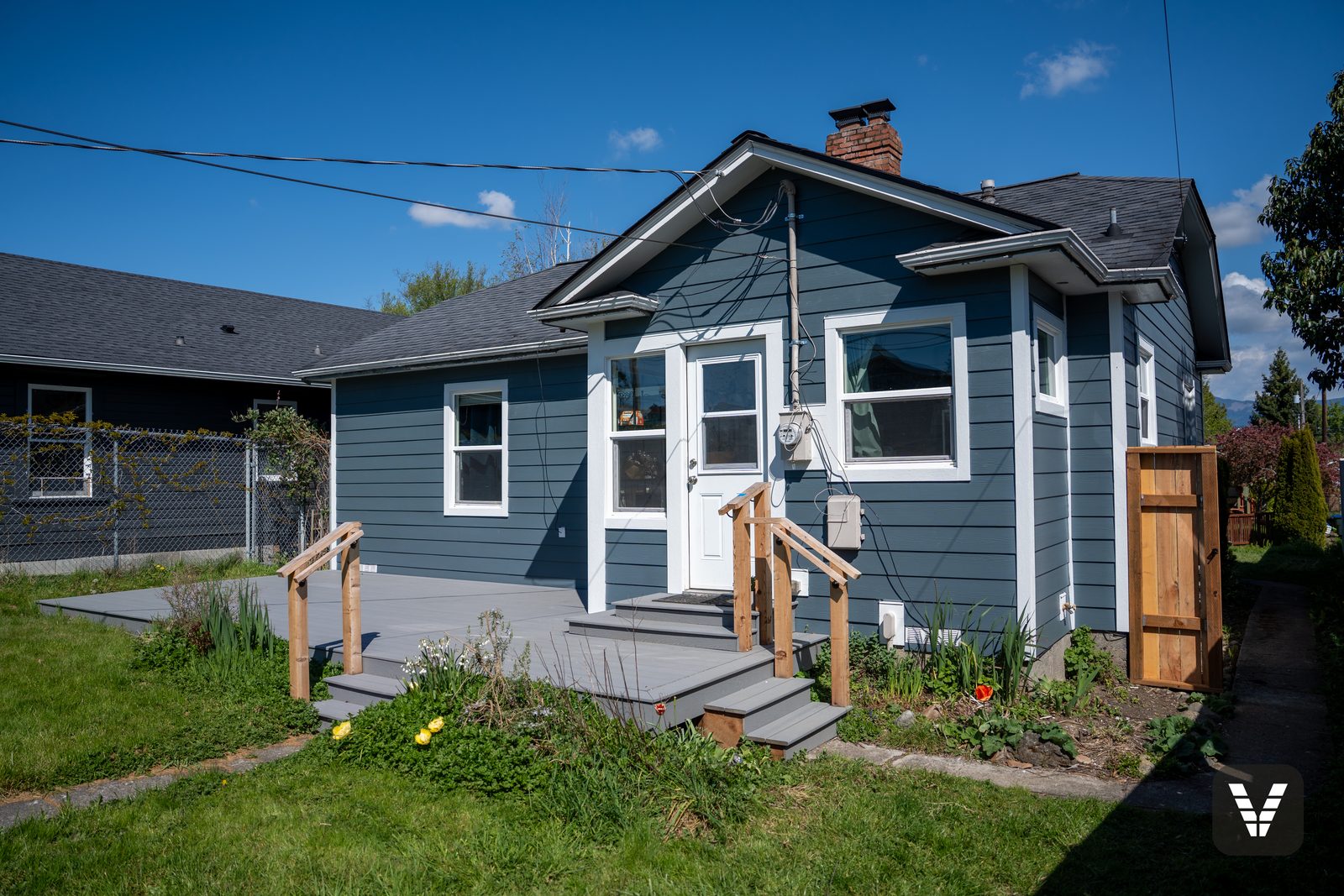
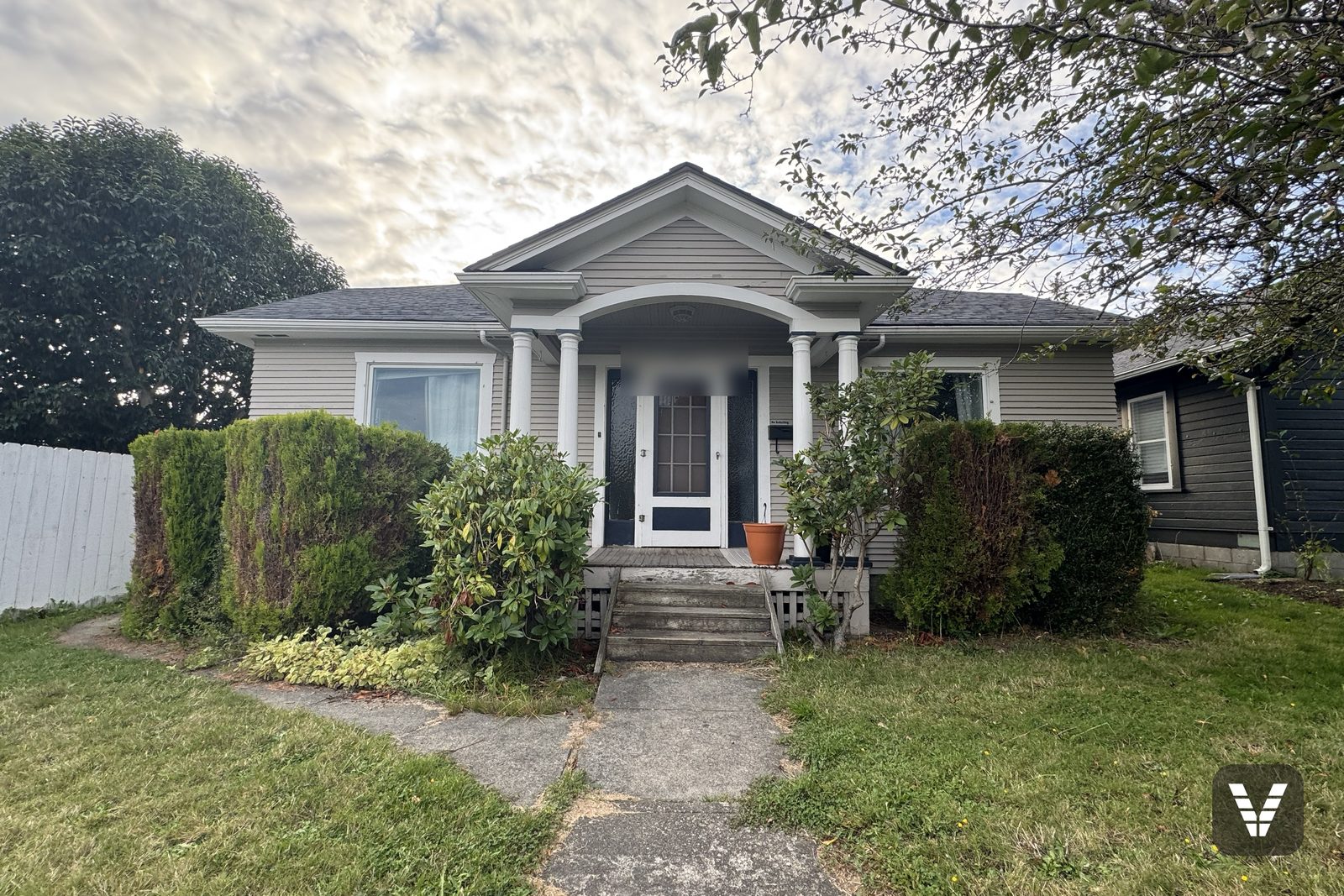
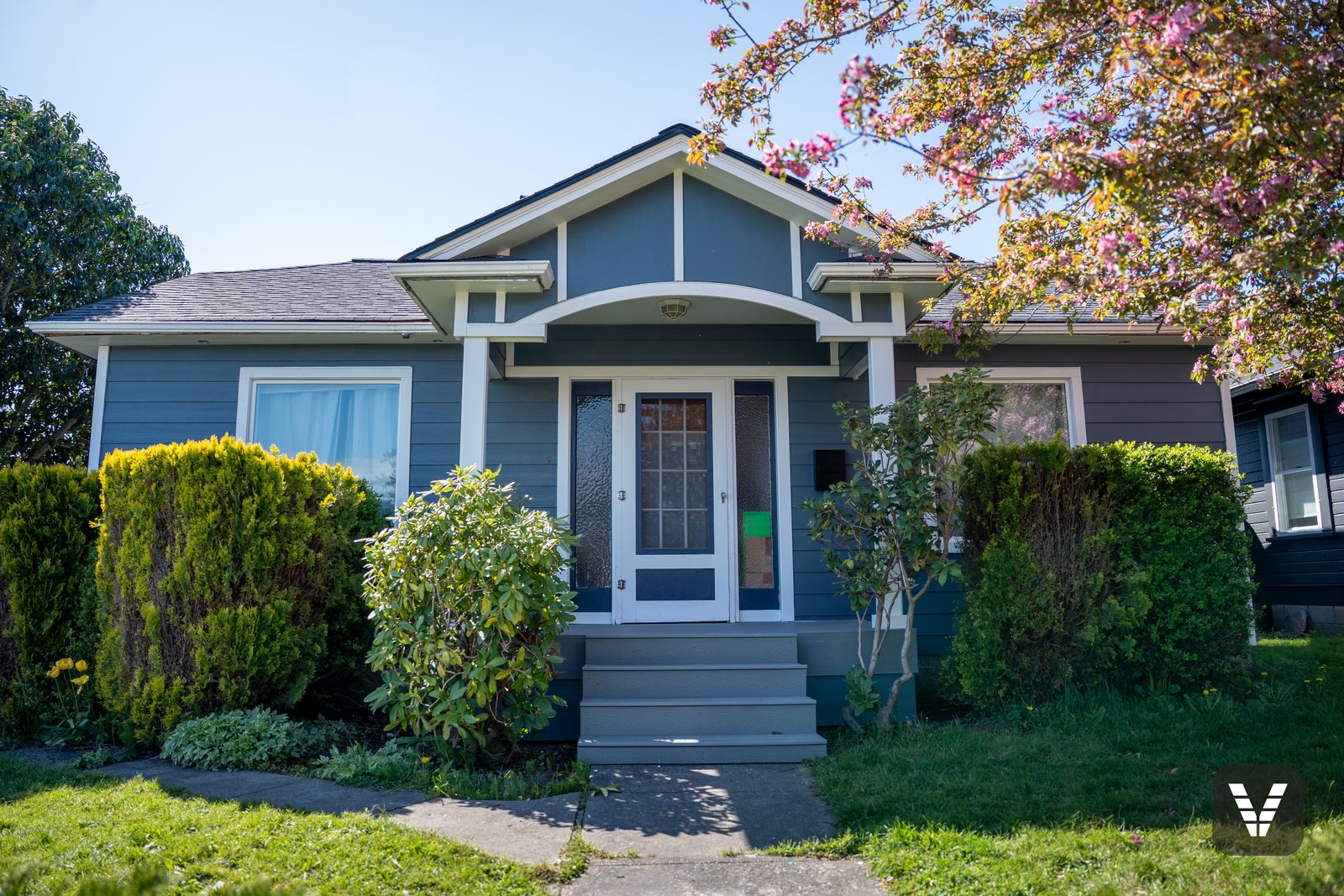
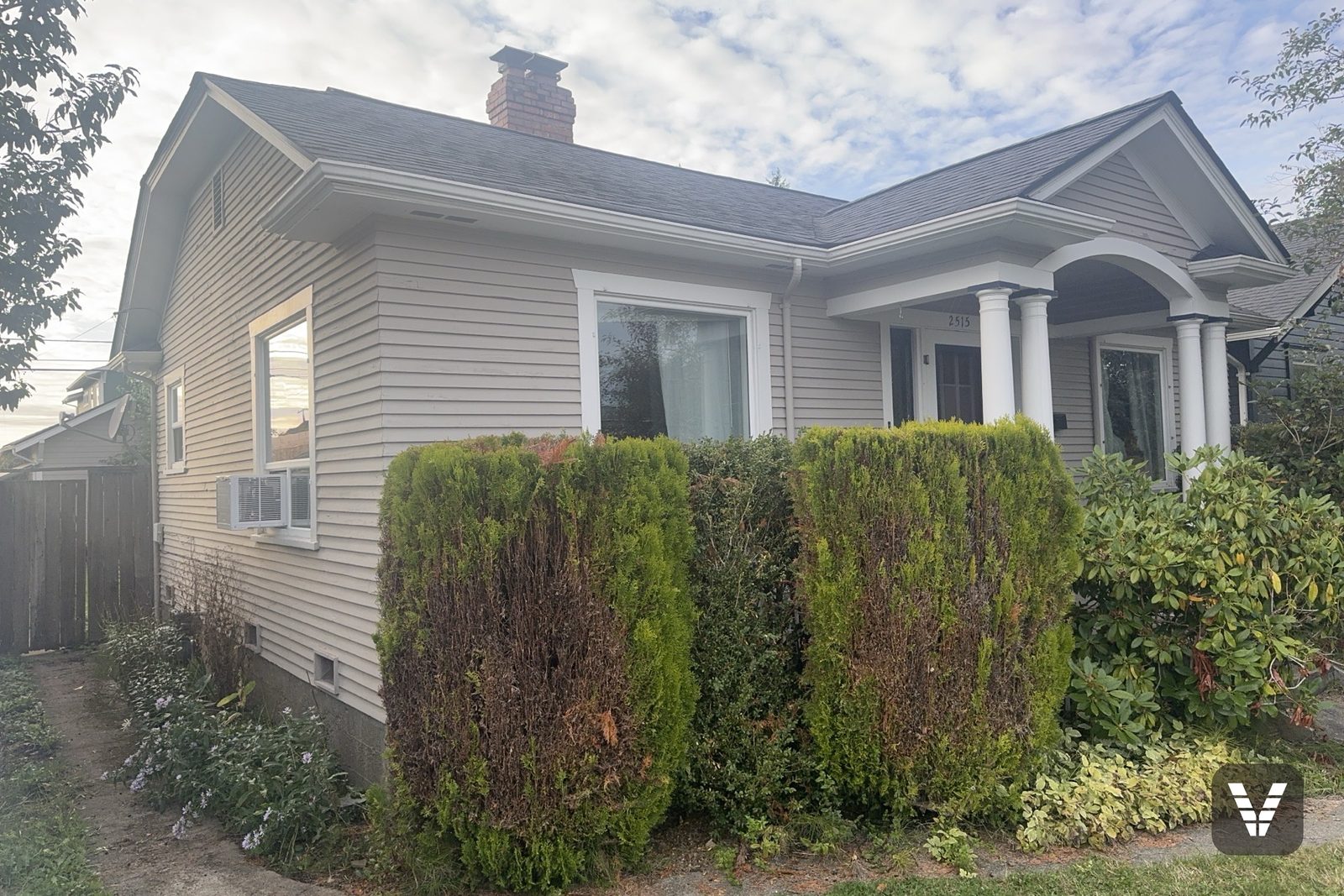
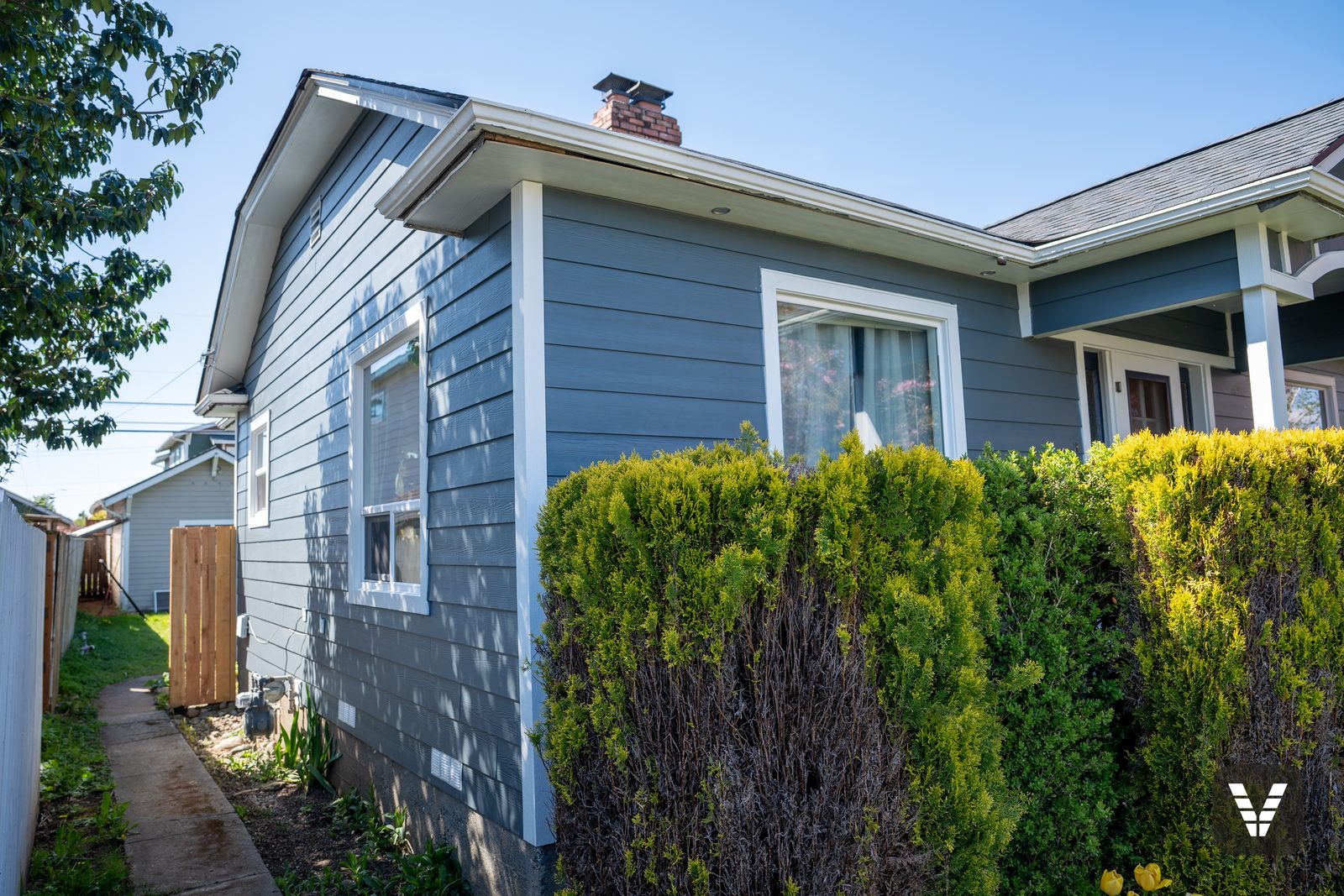
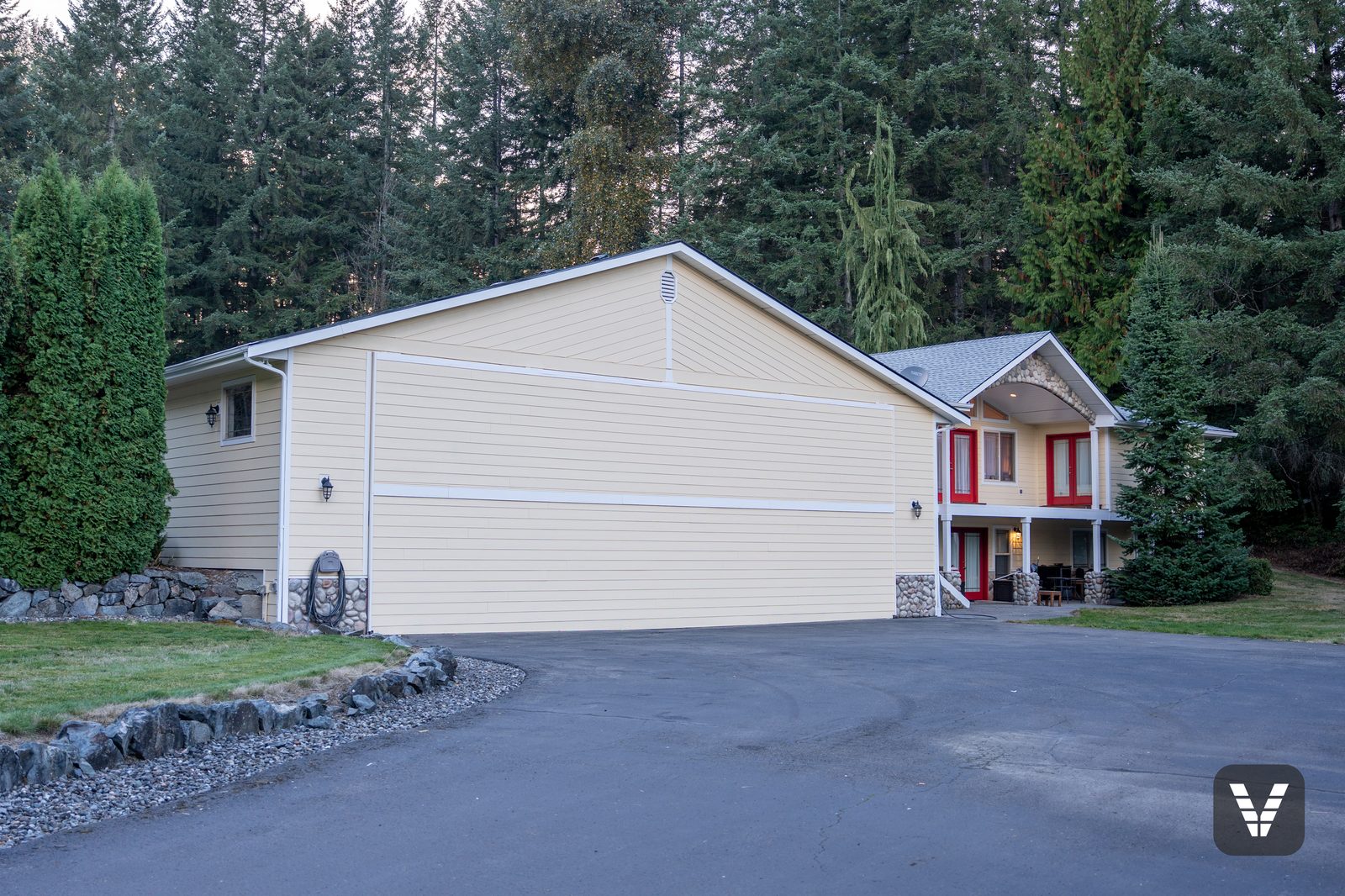
Every service below has its own Stanwood page — the twin-town-to-hillside housing mix here, City of Stanwood permit notes, and what delta exposure asks of an install.
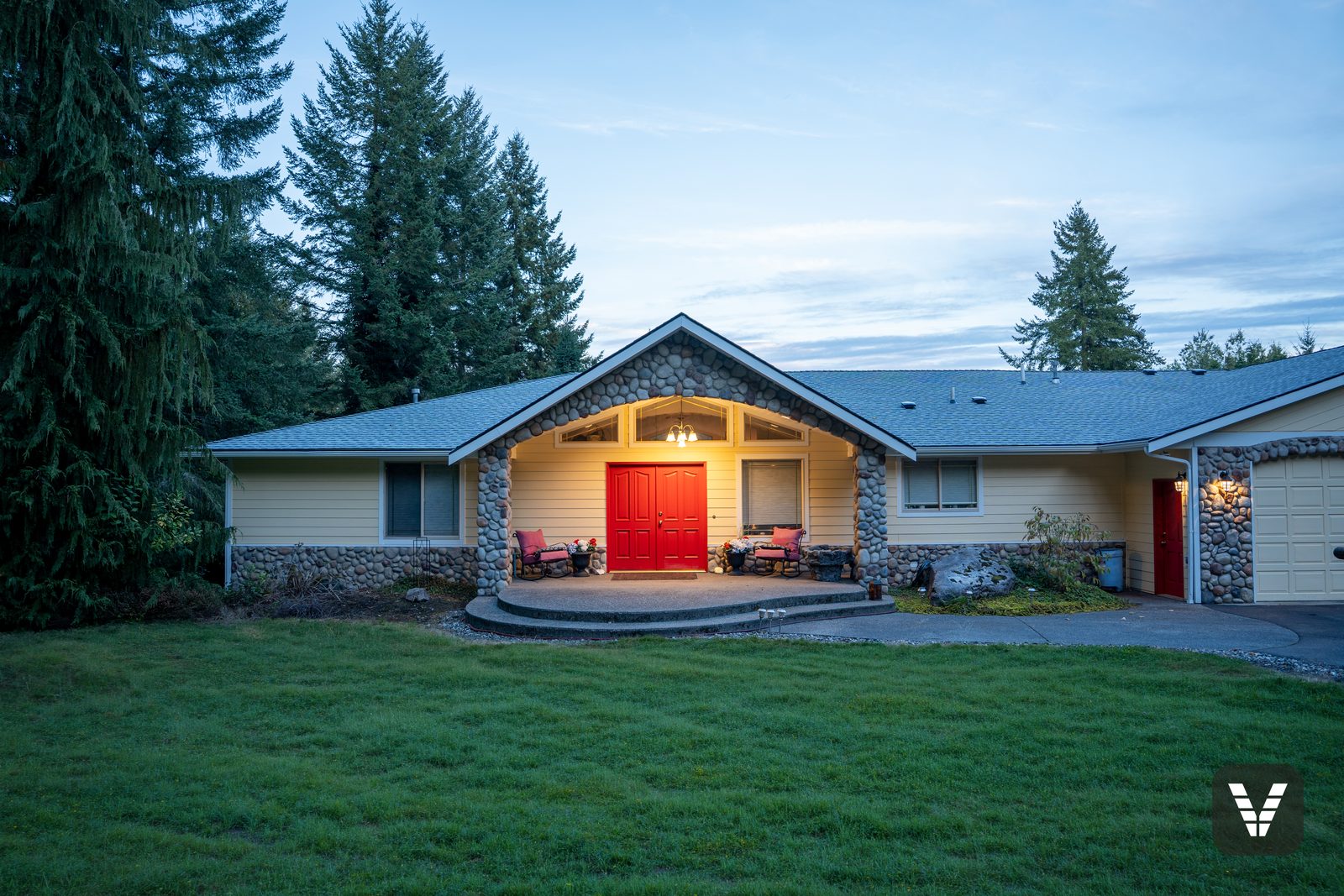
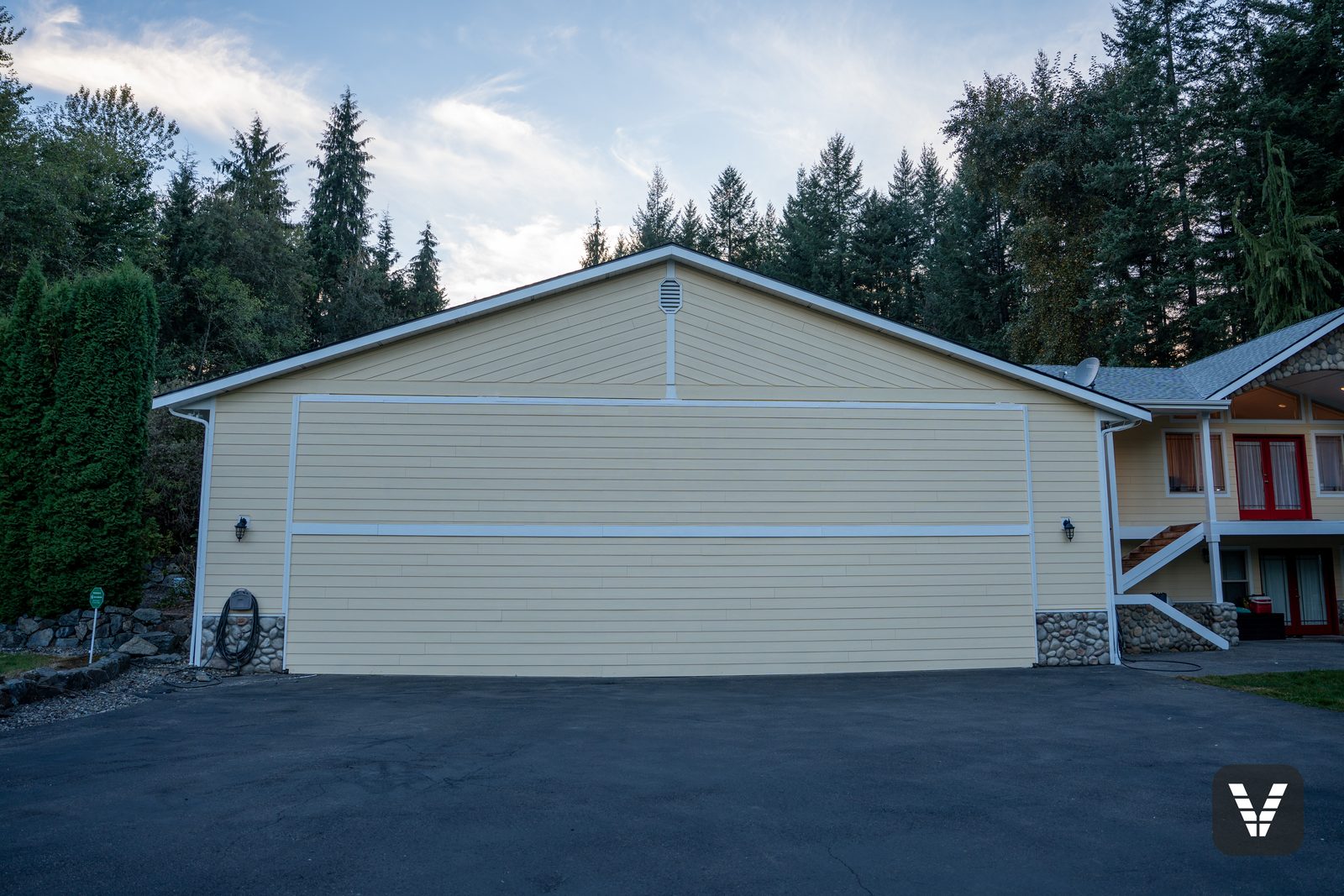
This is the work Stanwood homes ask of us — from the Old Town waterfront to Cedarhome. Flip through and picture your home next.
Get a Free Estimate →Stanwood splits by flood line — and by its own history as two towns. The old waterfront core (Stanwood proper, on the river's old channel) and Uptown (the former city of East Stanwood, a mile east at the base of the hill) both sit low, where wind crosses the delta's open ground unbroken and low parcels hold damp against bottom courses. The '90s–2010s subdivisions climbed the hill toward Cedarhome, above the flood plain, and now age out of builder stock on schedule. The town is also our gateway to Camano, which keeps our crews in the neighborhood.
Permits run through the City of Stanwood's Community Development Department and its online permit portal, with flood-plain parcels carrying extra requirements — we confirm per address and handle it start to finish.
…and the flats roads toward Conway and Warm Beach.

No pressure, no jargon — a clear path from first call to final inspection.
Call (360) 296-9380 or send the form — tell us a little about your home and what's failing.
We measure at your home, open up anything suspicious with your OK, and write a bid specific to your house — minimal boilerplate.
Permits pulled, work scheduled around the weather, and the final inspection passed before we call it finished.
Every bid is measured on site and itemized — these are the factors that actually change the number.
Wall area drives material; height drives scaffold time. A Cedarhome two-story prices differently than a downtown original.
Siding replacement →What's behind the old siding is the honest unknown — we scope known rot into the bid and price discovered rot transparently, per repair.
Rot repair →Hardie ColorPlus, primed fiber cement, or engineered wood — we quote options side by side so you see the real difference.
Compare materials →Combining siding and windows saves one full mobilization and gets properly integrated flashing — the cheapest time to do windows is during a re-side.
Window replacement →Stanwood was built twice. The first town grew from D.O. Pearson's 1877 store on the Stillaguamish's old channel — a steamboat landing serving the Norwegian dairy and oat farms of the delta — platted in 1888 and incorporated in 1903. Its oldest survivors are the wood-frame merchant houses and farmhouses of the waterfront blocks, including Pearson's own 1890 house, now the local history museum. They were built on the flood plain, and the flood plain still writes their maintenance schedule: damp bottom courses, storm wind off Port Susan, and generations of patch repairs.
The second town was the railroad's fault. The Great Northern line of 1891 bypassed the waterfront by a mile, and a rival city — East Stanwood, incorporated 1922 — grew up around the depot at the base of the hill. For decades the two ran parallel main streets and separate schools, and the canneries between them processed the delta's peas; Twin City Foods, founded in the 1940s, took its name from the pair. New sewer requirements neither town could afford forced the 1960 merger.
Highway 532, pushed through in the late 1950s to the Camano bridge, reoriented the town uphill. Cedarhome — once its own timber settlement on the plateau north of town — was absorbed by subdivisions, and from the 1990s through the 2010s builder stock filled the hill above the flood line; Stanwood's population nearly doubled between 2000 and 2020.
So Stanwood exteriors sort by elevation: two low-lying century cores that need rot restoration and profile matching, and hillside tracts whose hardboard siding and builder vinyl windows are aging out together, street by street. We bid to the flood line, not to a citywide average.
A free on-site estimate anywhere in Stanwood — measured at your home, itemized, and specific to your side of the flood line.