Every service below has its own Bellingham page — local housing stock, permit notes, and what our crews actually find on these streets.
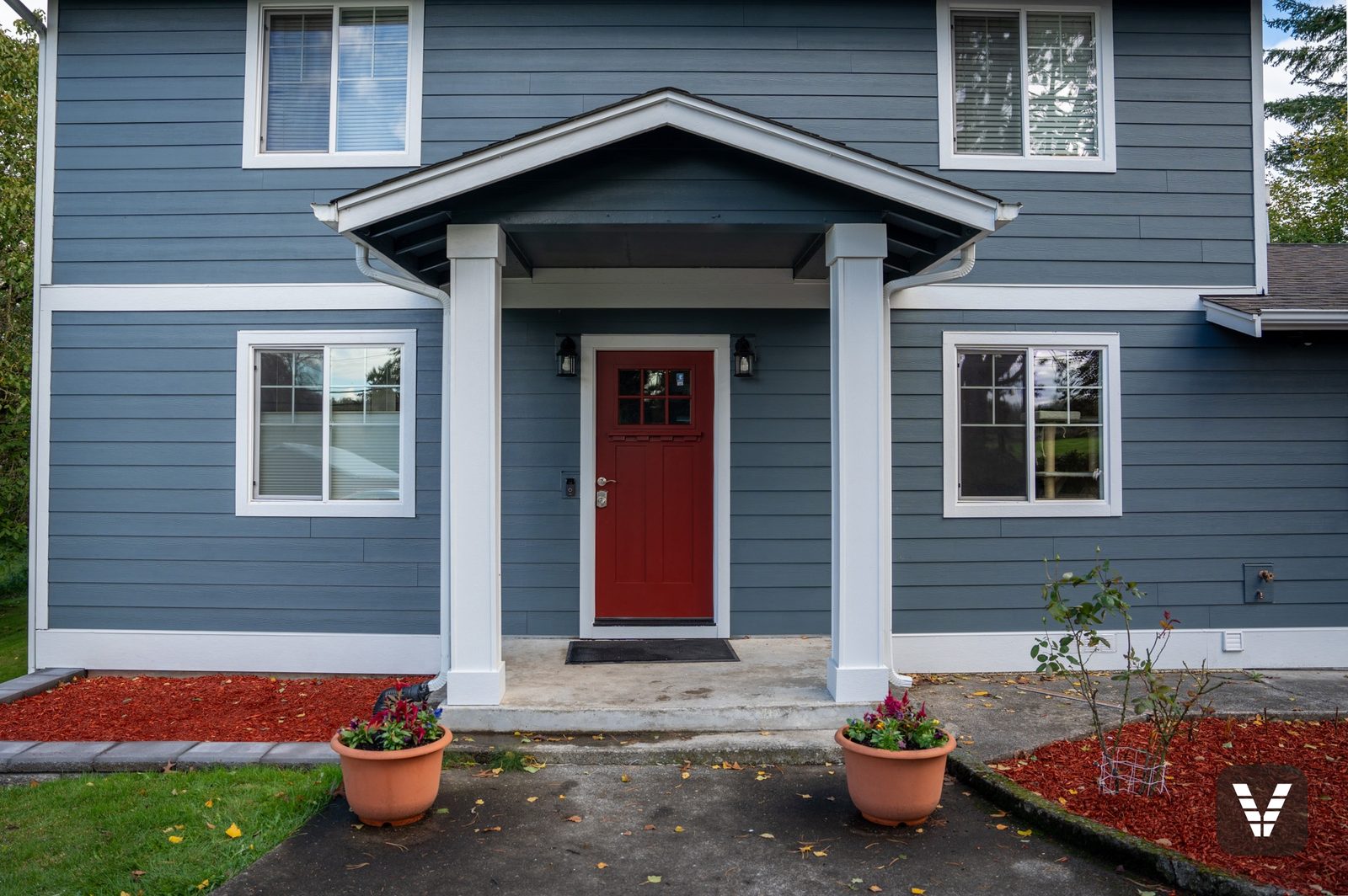
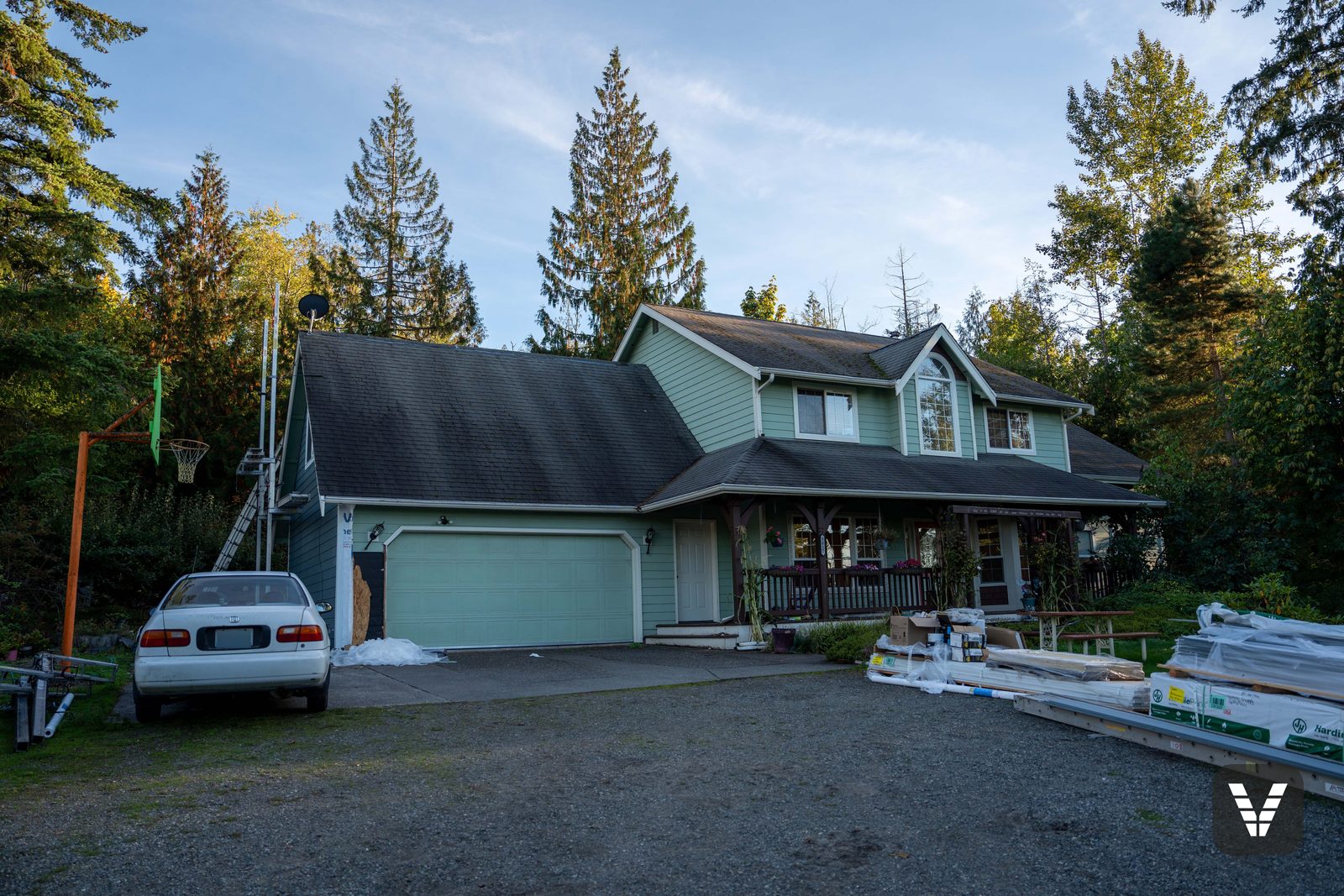
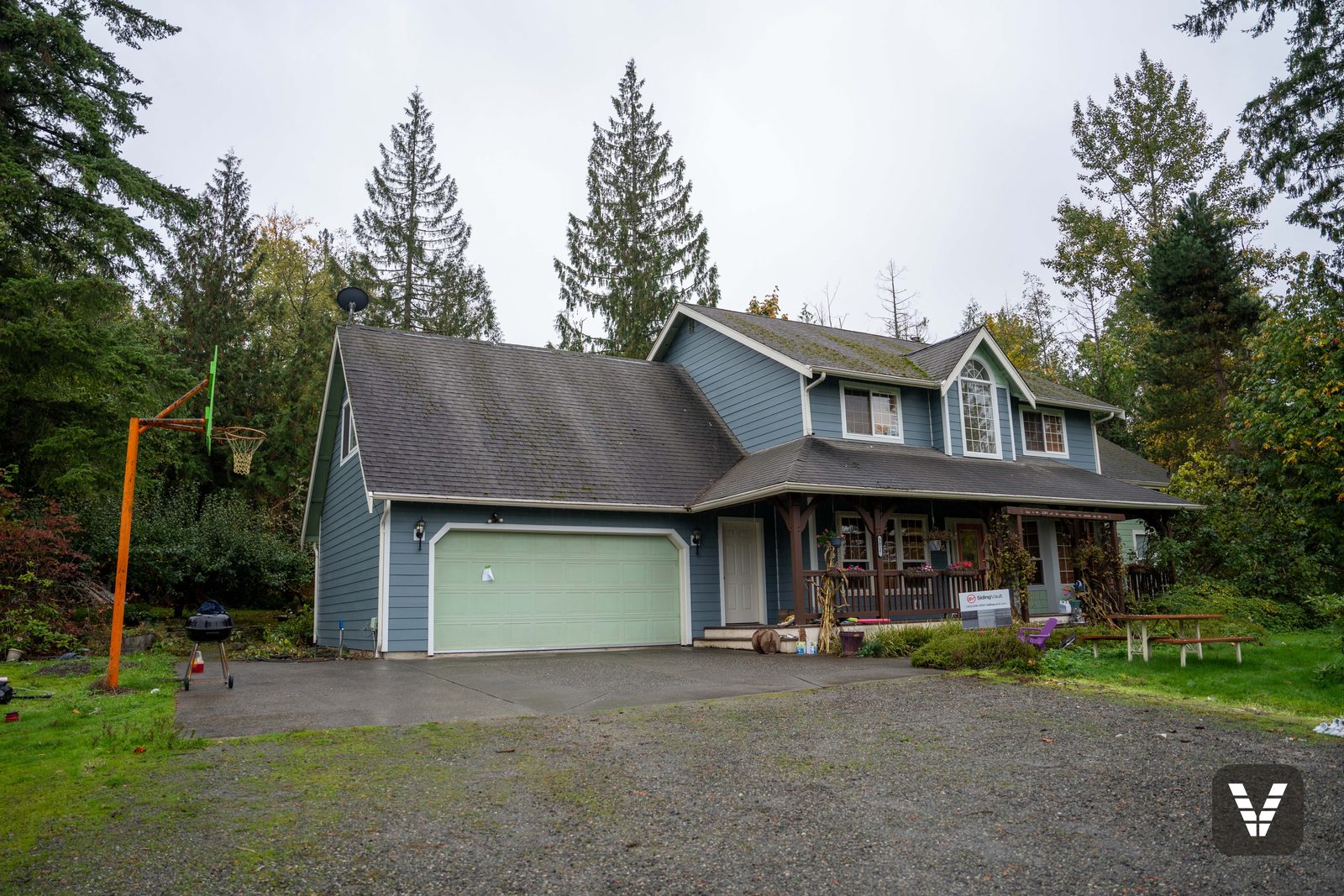
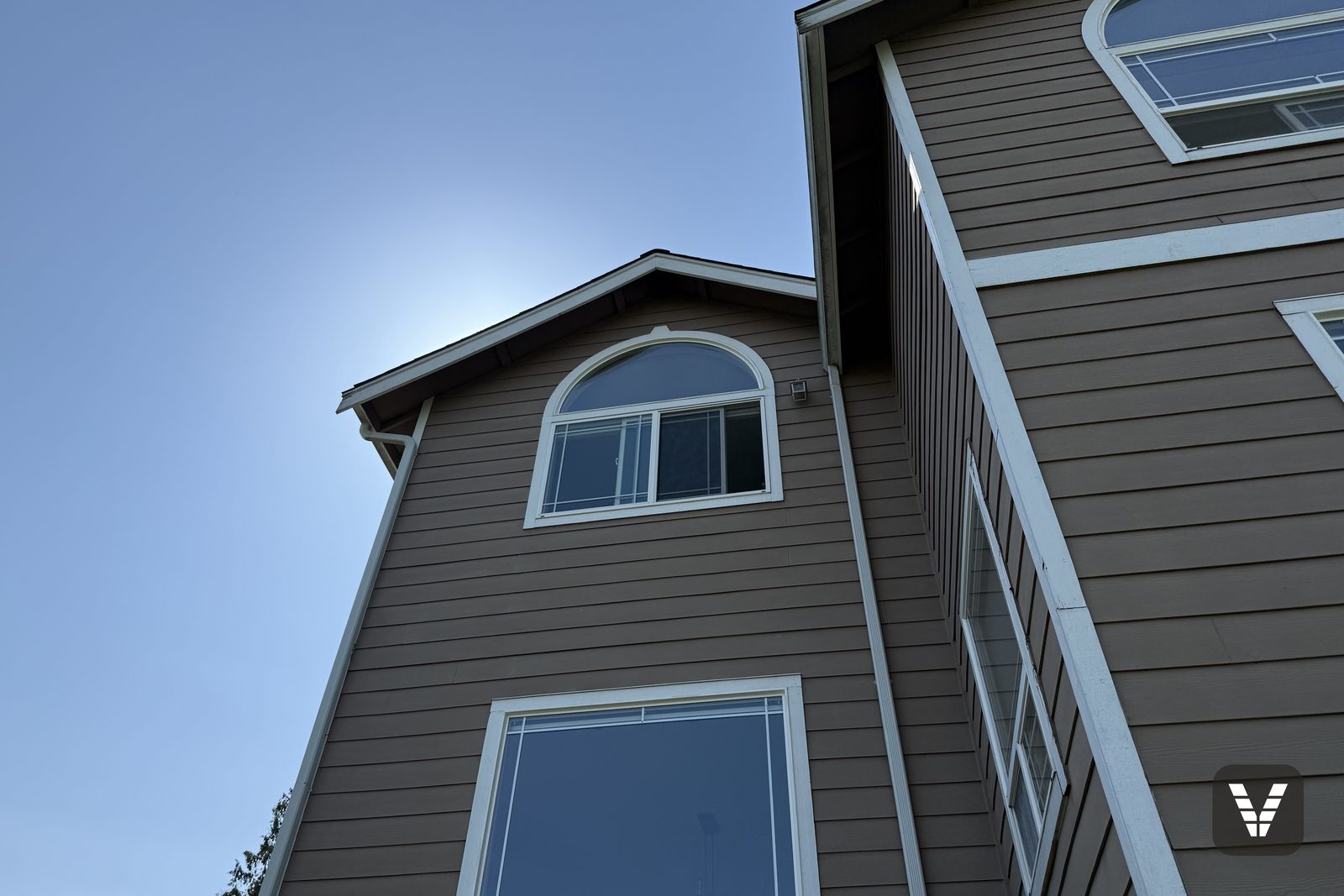
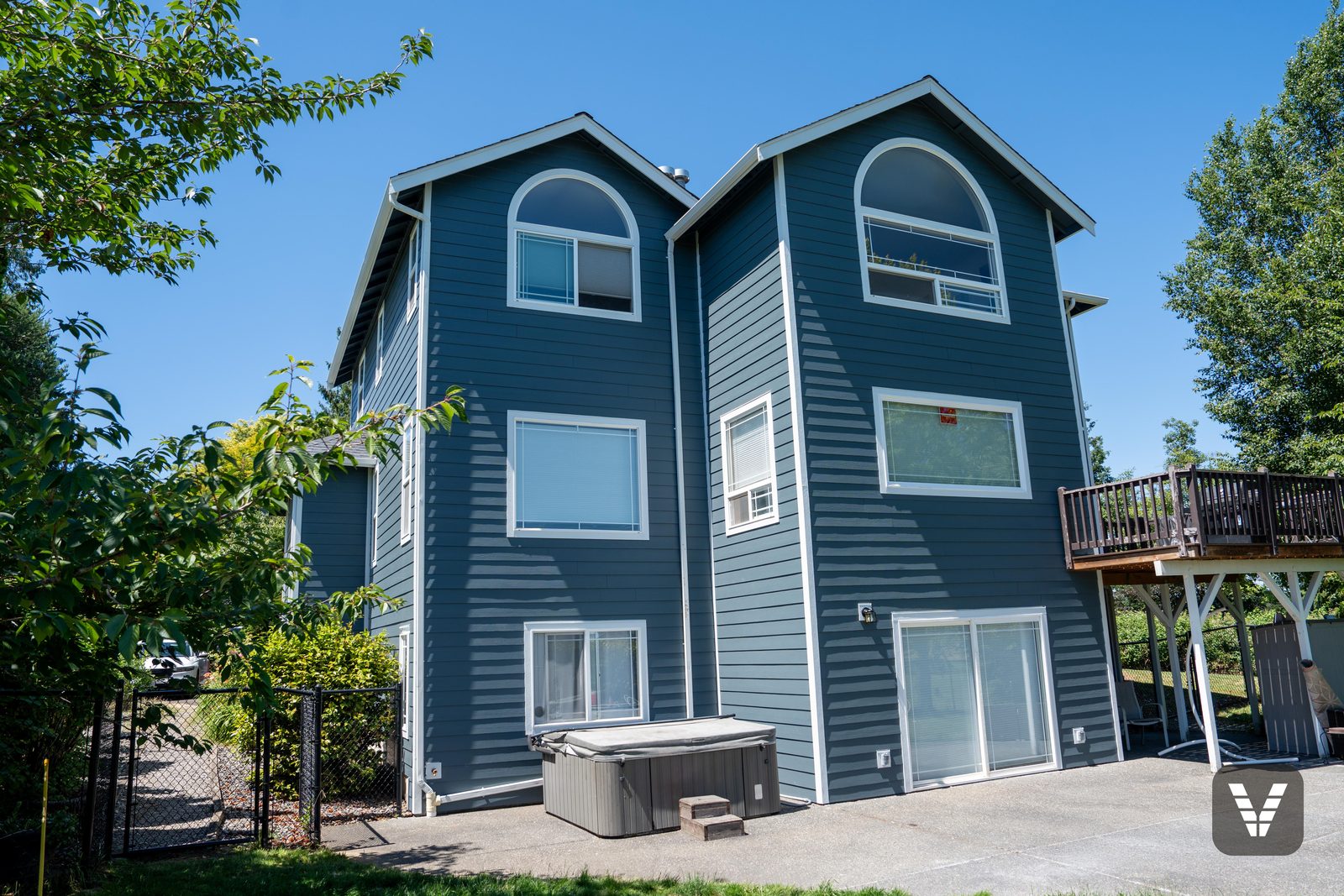
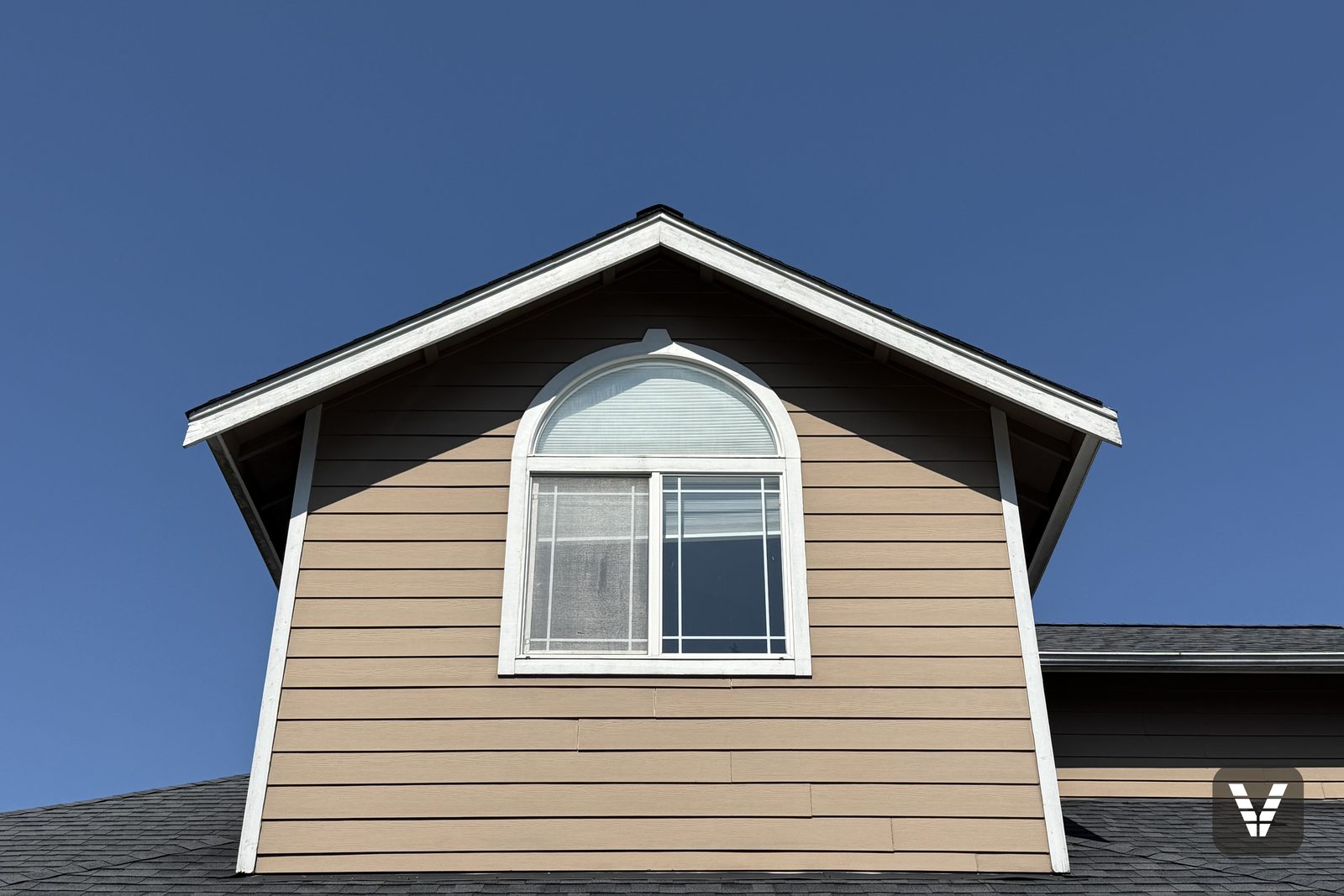
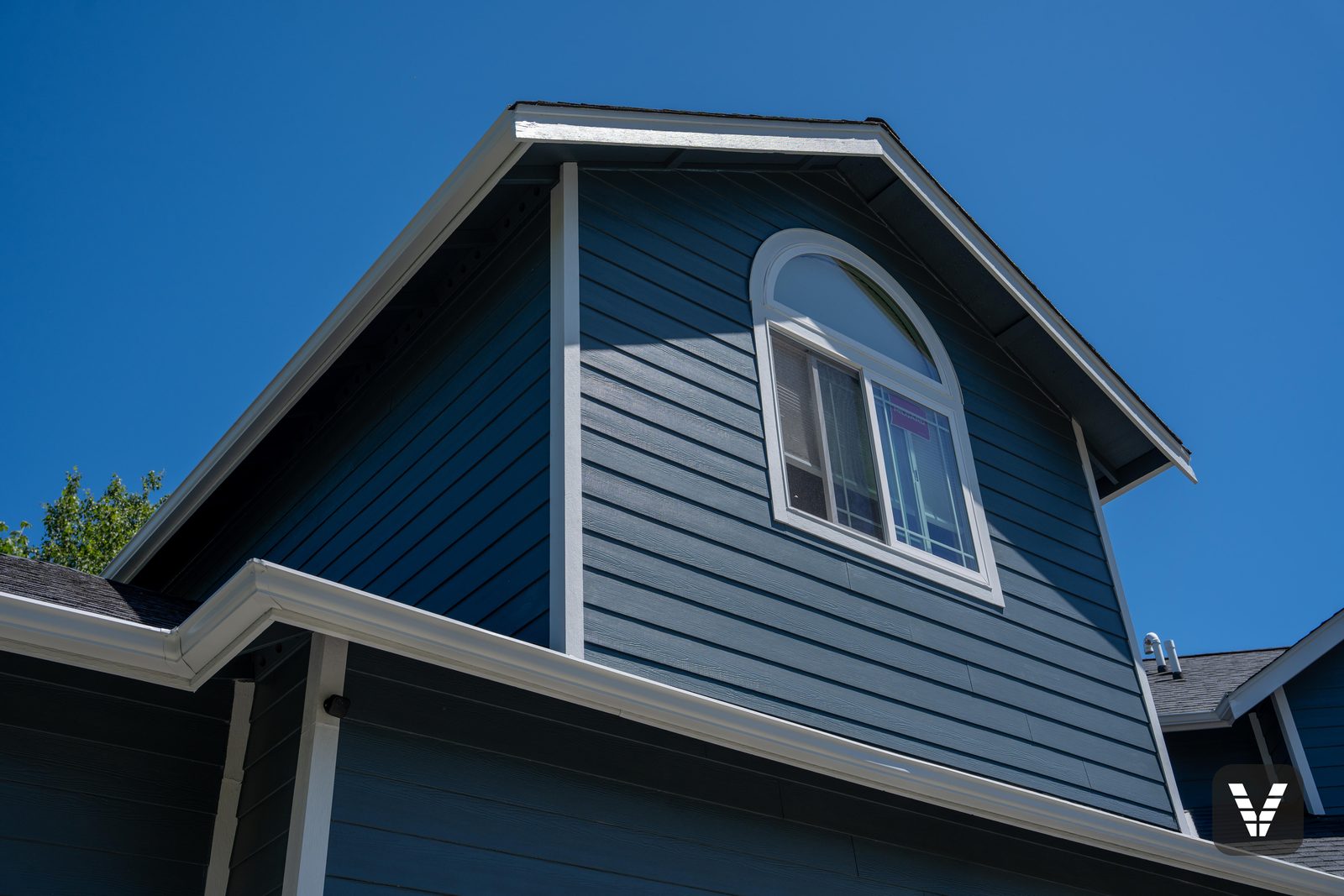
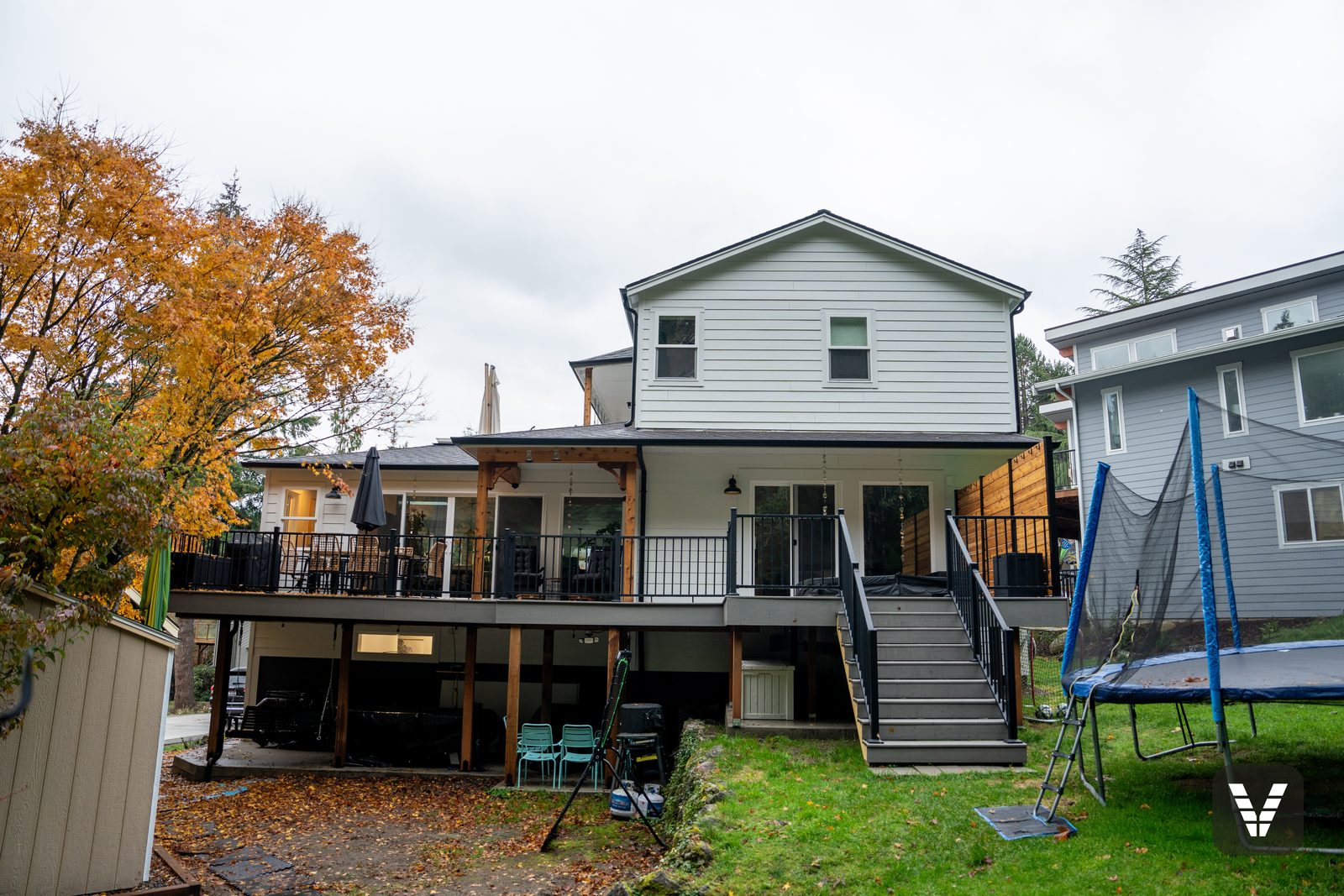
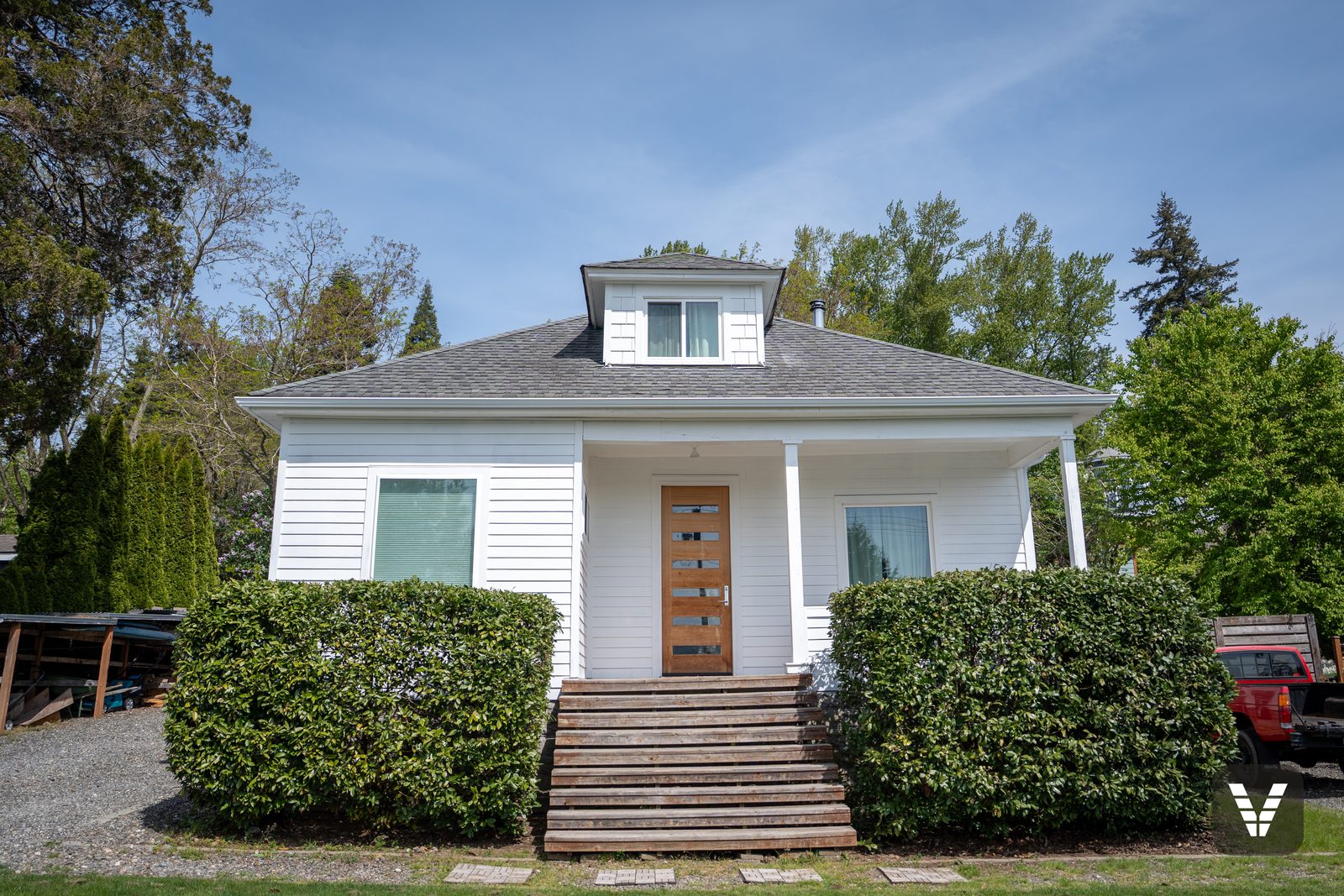
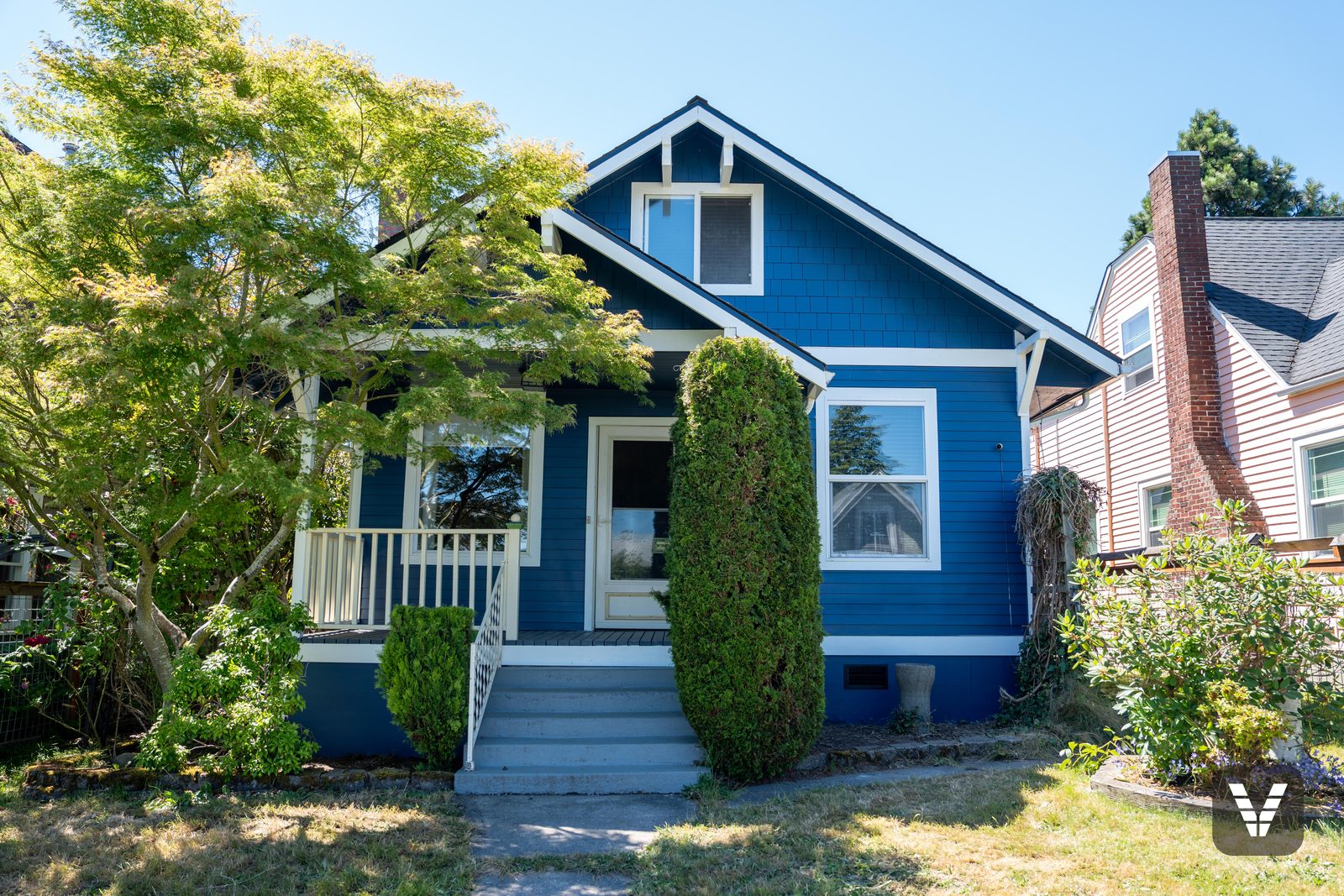
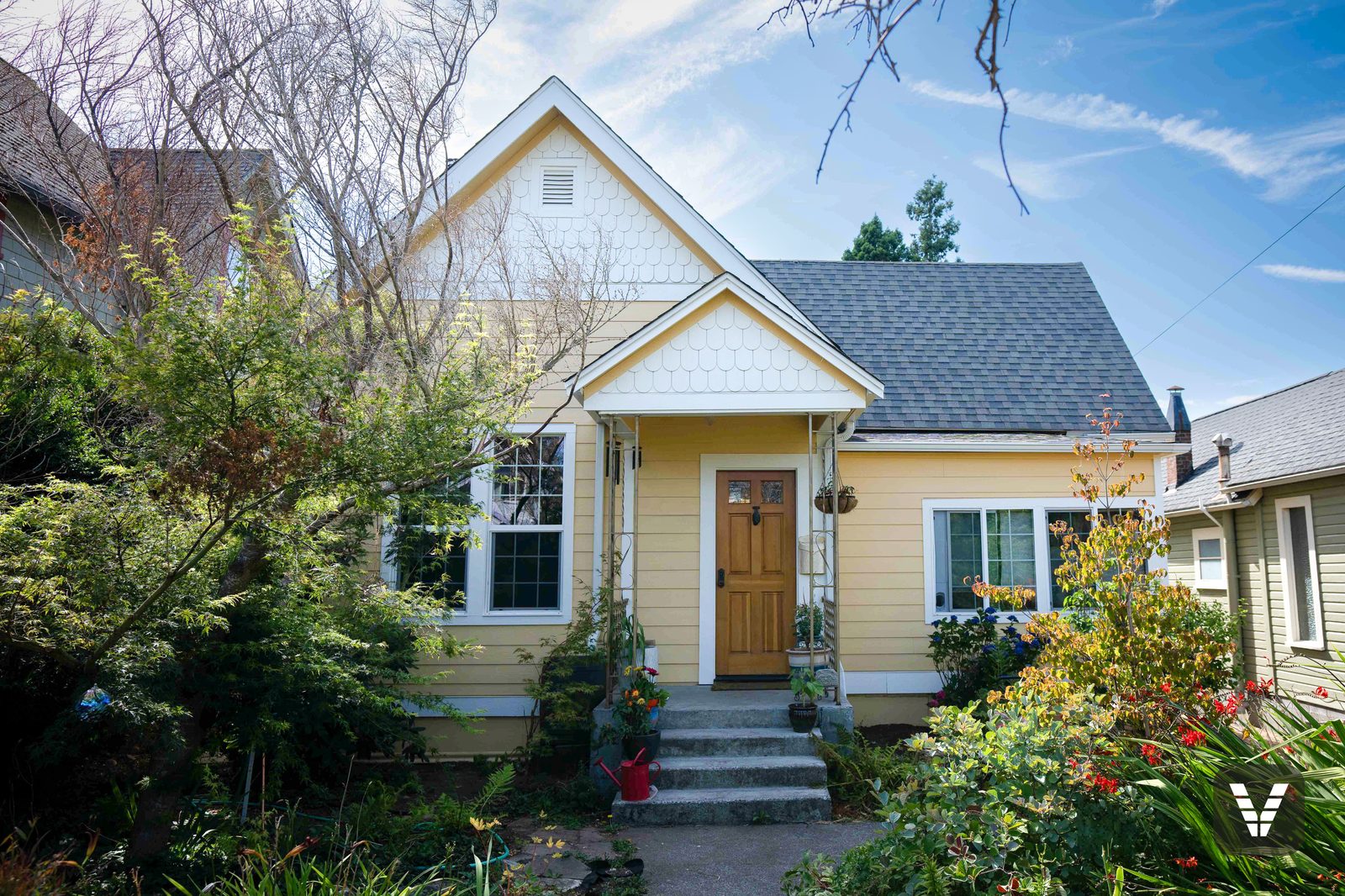
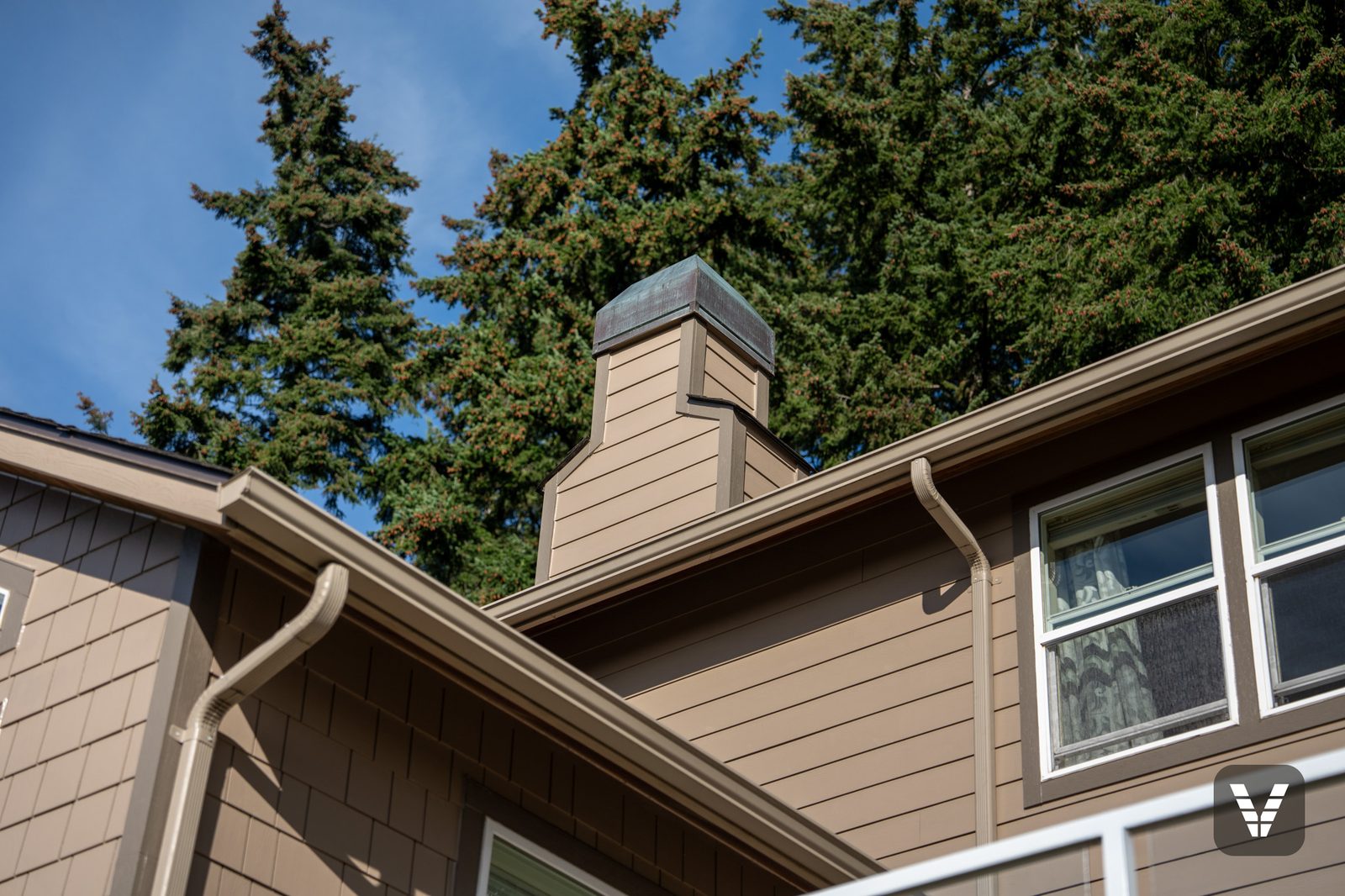
This is the work Bellingham homes ask of us — from Columbia's craftsman-era stock to Barkley's newer subdivisions. Flip through and picture your home next.
Get a Free Estimate →Bellingham sits on the bay with weather that arrives sideways — southwesterly storms drive rain into south- and west-facing walls for months, while shaded lots toward Sehome and Lake Whatcom carry the moss pressure that eats cedar and asphalt alike. The housing stock spans a century, and each era fails its own way: bottom-course rot on craftsman cedar, seam swelling in '80s–'90s engineered boards, tired aluminum windows in mid-century ranches.
We've pulled permits and passed inspections across Whatcom County, and we know the City of Bellingham's process — including the certificate of alteration that homes on the city's local historic register need from the Historic Preservation Commission before exterior changes. We handle that step as part of the job, not as a research project billed to you.
…and everywhere else inside city limits, plus surrounding Whatcom County.

 Verified Google review
"I really enjoyed working with the Siding Vault team. Michael was a great resource, providing thoughtful insights and helping me feel confident about completely re-siding my 1918 home. Marco and the crew were excellent – friendly, hardworking, and very efficient. The team clearly works well together. Communication was great throughout the project, with regular updates and quick responses to questions. The finished work looks amazing. The team did a beautiful job re-siding and repainting my home, as well as repainting my garage. The quality of their workmanship has also given me greater peace of mind as the owner of an older home. I highly recommend Siding Vault."
No pressure, no jargon — a clear path from first call to final inspection.
Call (360) 296-9380 or send the form — tell us a little about your home and what's failing.
We measure at your home, open up anything suspicious with your OK, and write a bid specific to your house — minimal boilerplate.
Permits pulled, work scheduled around the weather, and the final inspection passed before we call it finished.
Every bid is measured on site and itemized — these are the factors that actually change the number.
Wall area drives material; height drives scaffold time. A two-story Columbia craftsman prices differently than a Birchwood rambler.
Siding replacement →What's behind the old siding is the honest unknown — we scope known rot into the bid and price discovered rot transparently, per repair.
Rot repair →Hardie ColorPlus, primed fiber cement, or engineered wood — we quote options side by side so you see the real difference.
Compare materials →Combining siding and windows saves one full mobilization and gets properly integrated flashing — the cheapest time to do windows is during a re-side.
Window replacement →Bellingham's oldest walls went up when it was still four towns — Whatcom, Sehome, Fairhaven, and Bellingham — consolidated in 1903–04 on the strength of lumber. Six waterfront mills at their 1920s peak cut old-growth fir and cedar, and the millworkers' neighborhoods they paid for still show it: York, built out between 1895 and 1930 on the north slope of Sehome Hill, plus Columbia, the Lettered Streets, and South Hill, full of Victorians, Foursquares, and craftsman bungalows with tight-grain cedar siding over sandstone foundations. That first-growth wood outlasted the mills themselves — but after a century, bottom courses, window sills, and layered paint are where the re-side conversation usually starts.
The mid-century rings came next. After the Bloedel-Donovan mill on Lake Whatcom closed in 1946 and Georgia-Pacific took over the waterfront pulp operation in 1963, Bellingham grew as a college and port town — ranches and split-levels filled Birchwood, Roosevelt, Alabama Hill, and Whatcom Falls. Those homes traded old-growth cedar for plywood sheathing and, through the '60s and '70s, single-pane aluminum windows that now sweat through every cold morning.
The 1980s and '90s pushed subdivisions north and east toward Barkley, Cordata, and Silver Beach — the hardboard and early engineered-wood era, which is why swollen seams and wicking butt joints are the defining siding failures on those streets today.
A hundred-year spread means no single prescription works citywide. Pre-war homes want profile-matched siding and lead-safe practices; mid-century ranches usually gain the most from window replacement; '90s subdivisions become re-side candidates as engineered boards age out. We bid to the era in front of us, not to a citywide average.
A free on-site estimate anywhere in Bellingham — measured at your home, itemized, and specific to your house.