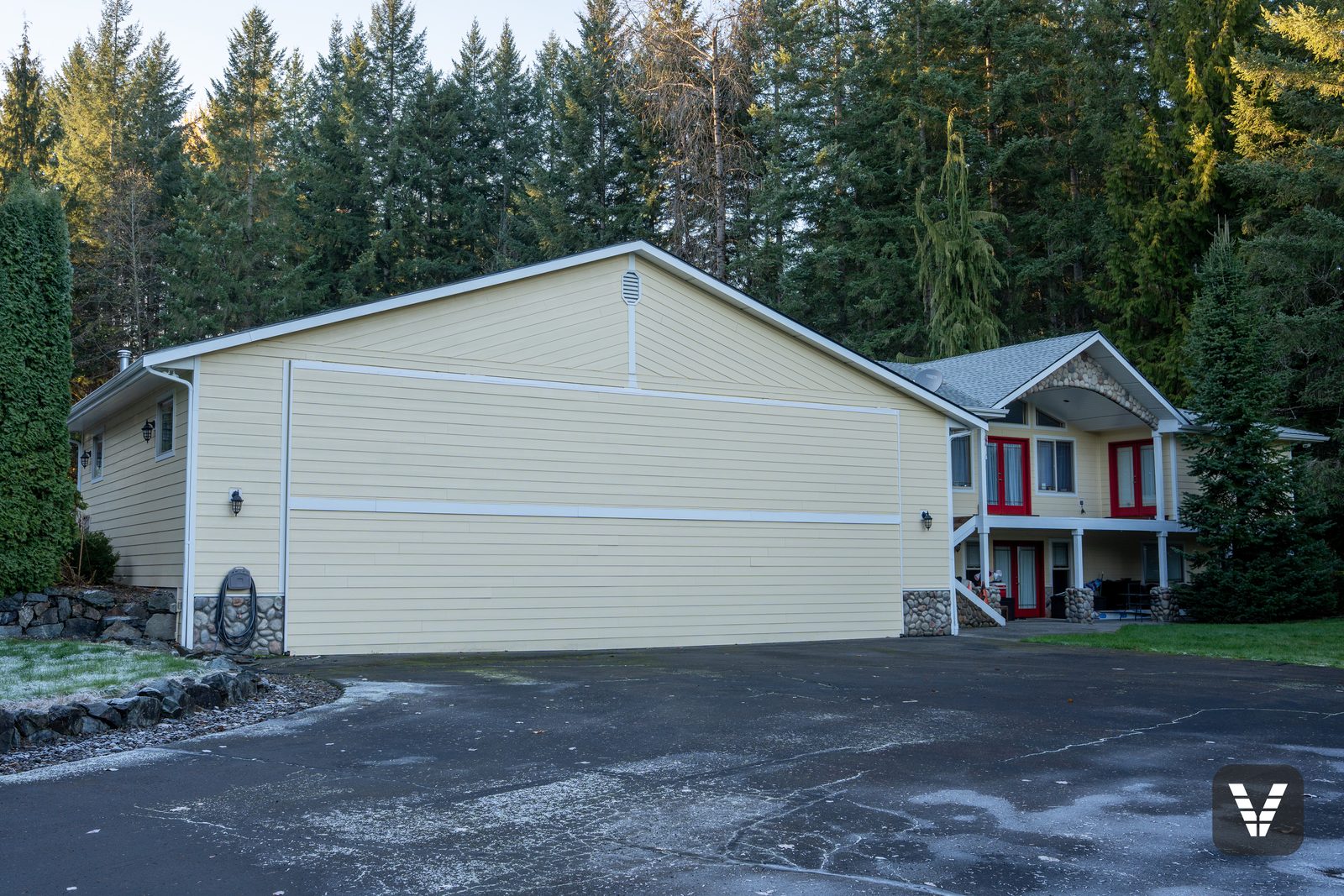
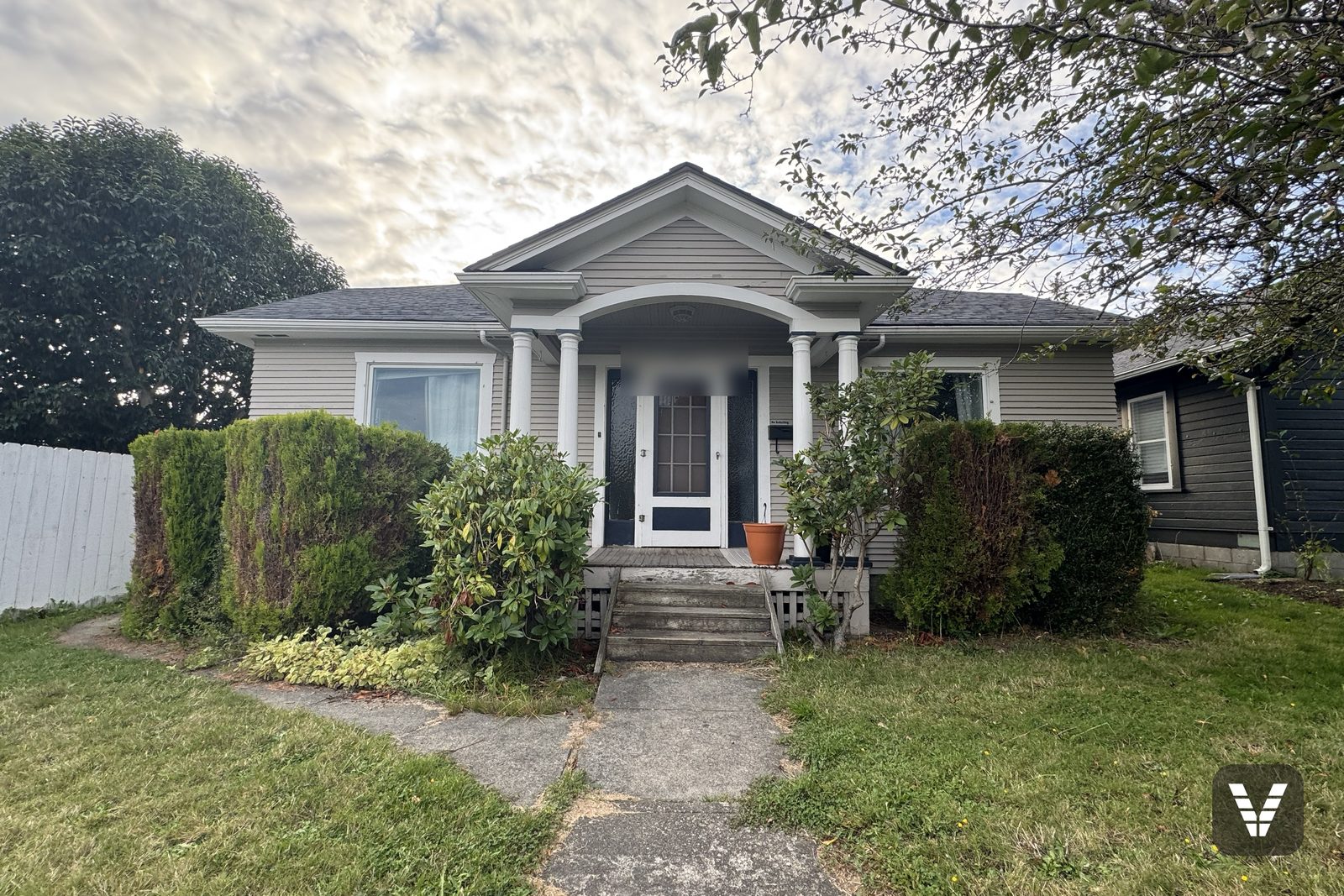
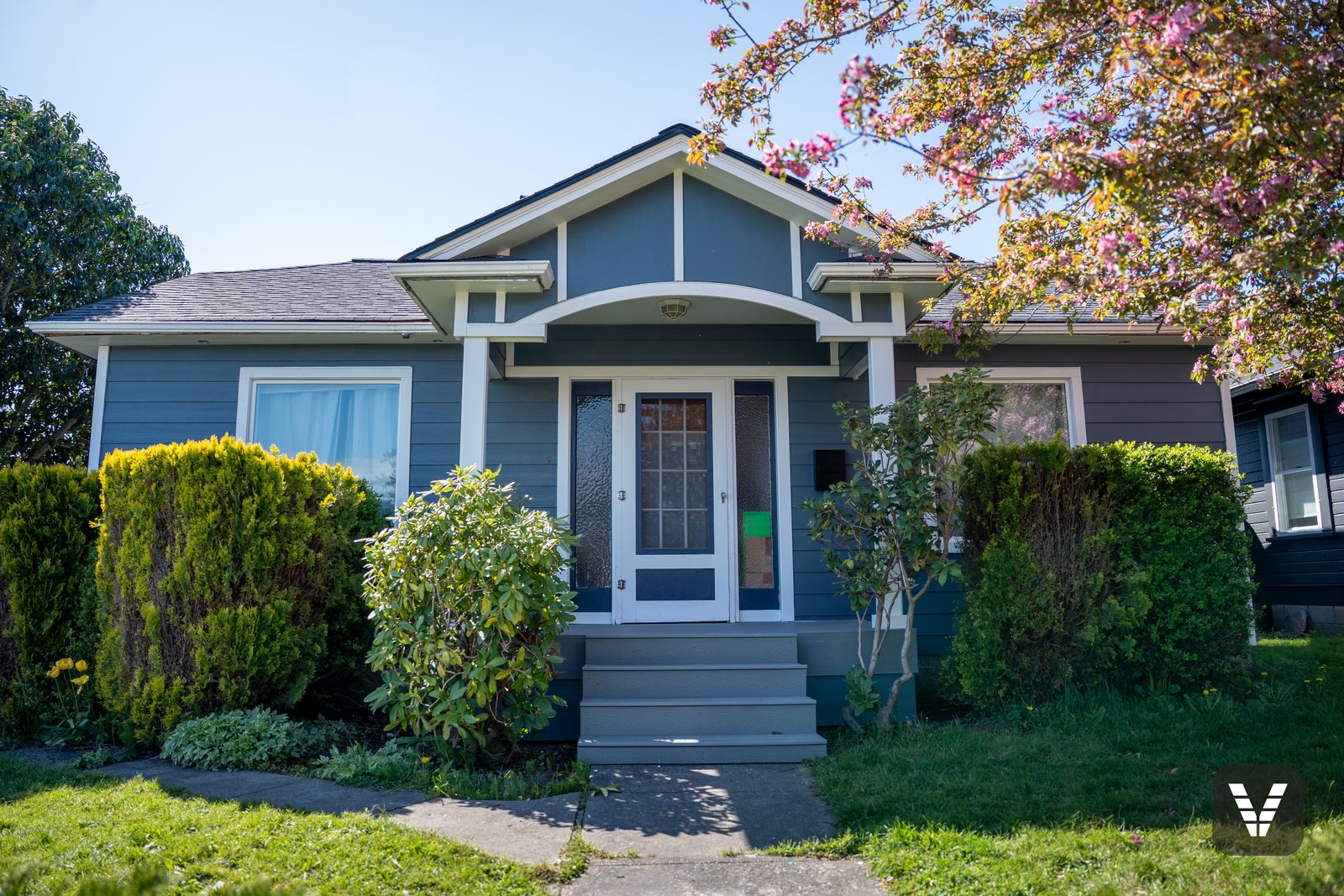
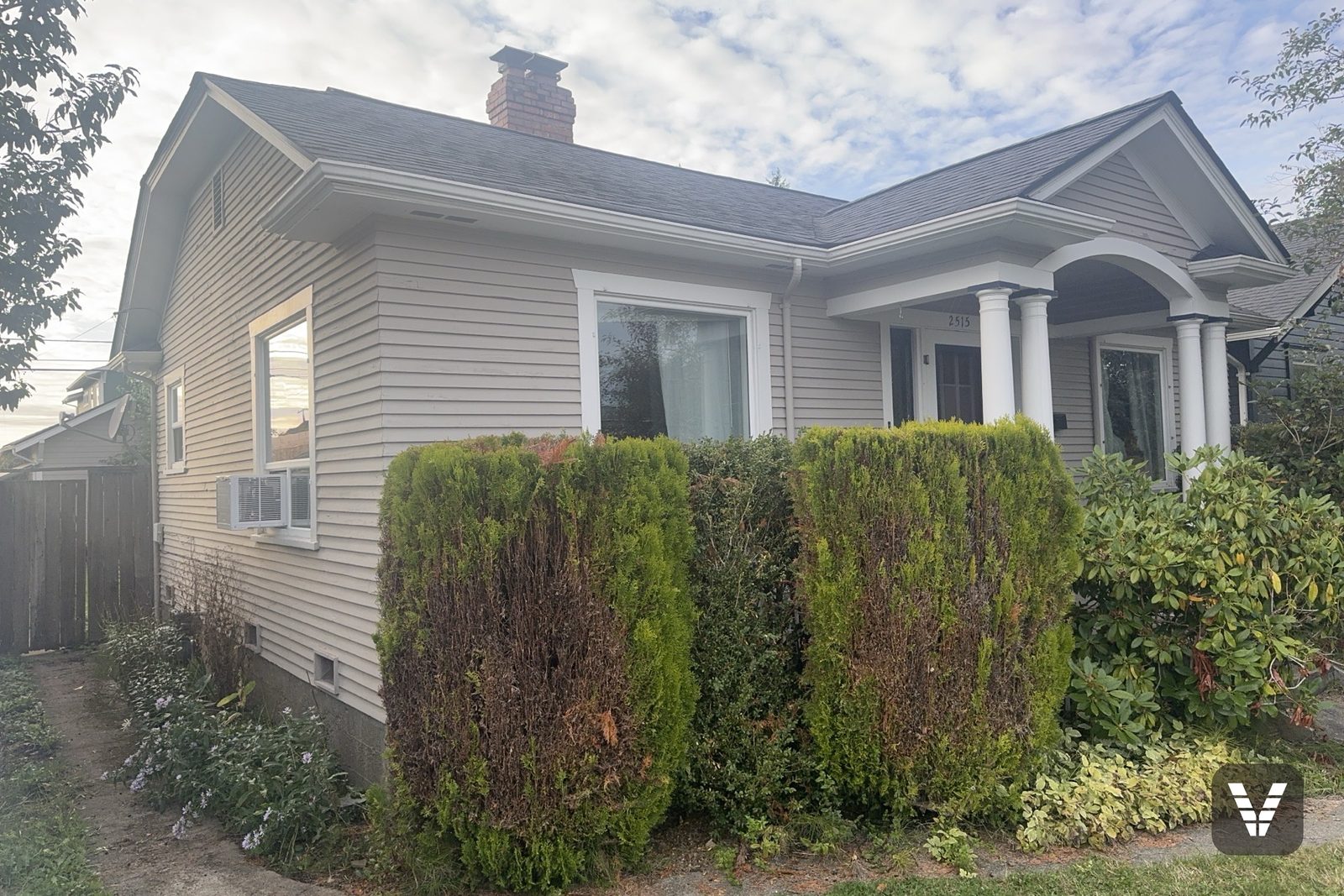
Every service below has its own Lake Stevens page — the lake-and-hill housing stock here, City of Lake Stevens permit notes, and what lakeside damp asks of an install.
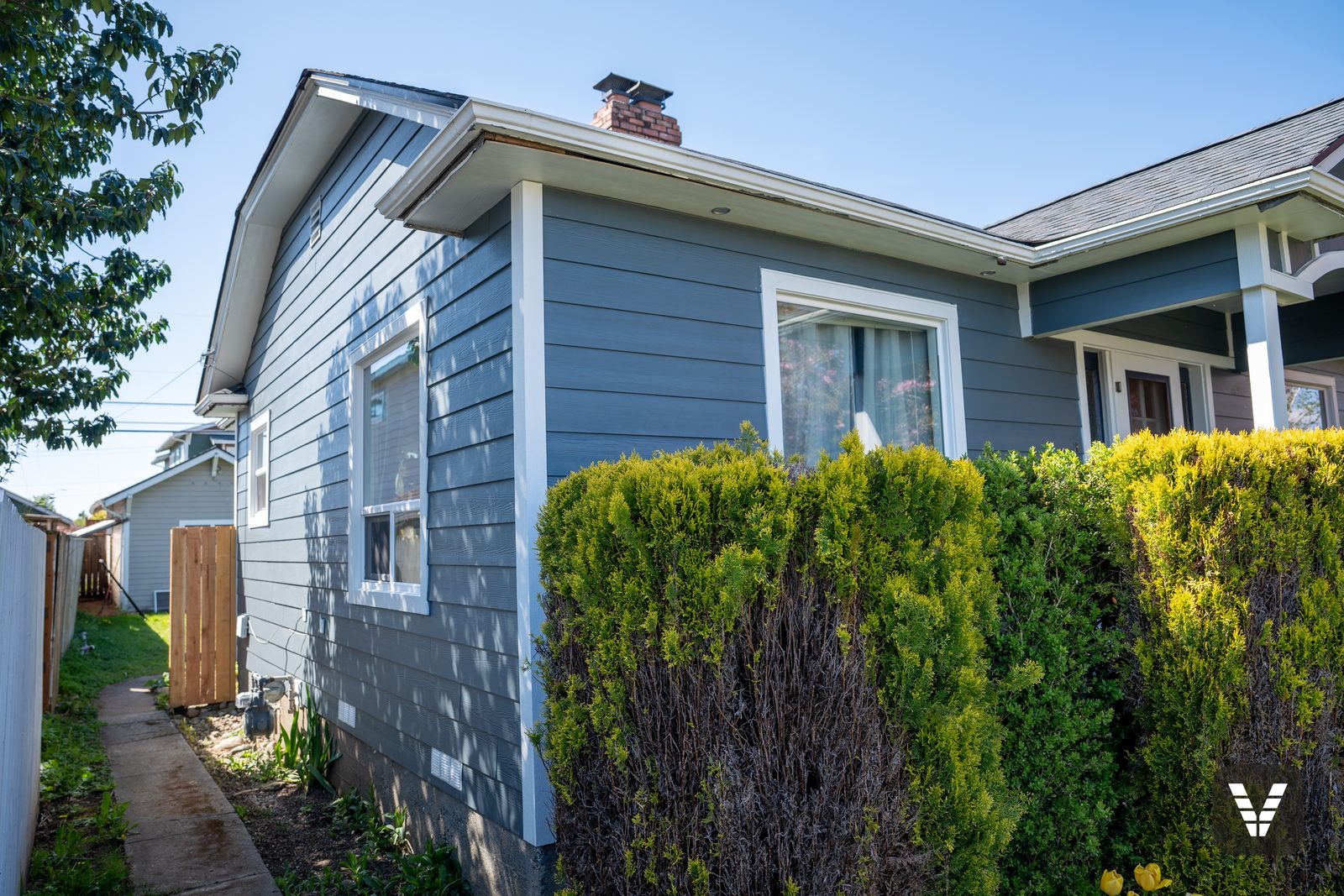
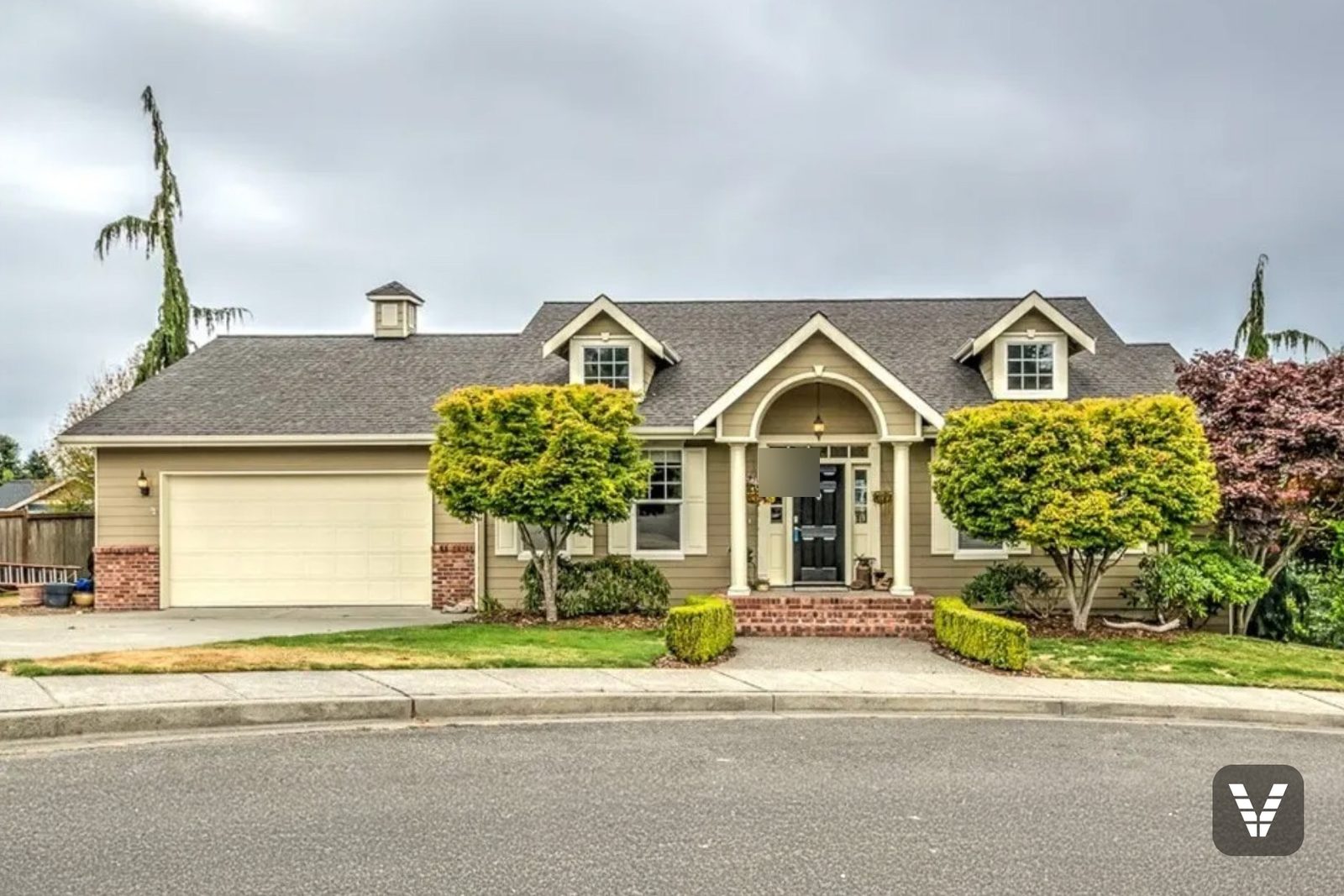
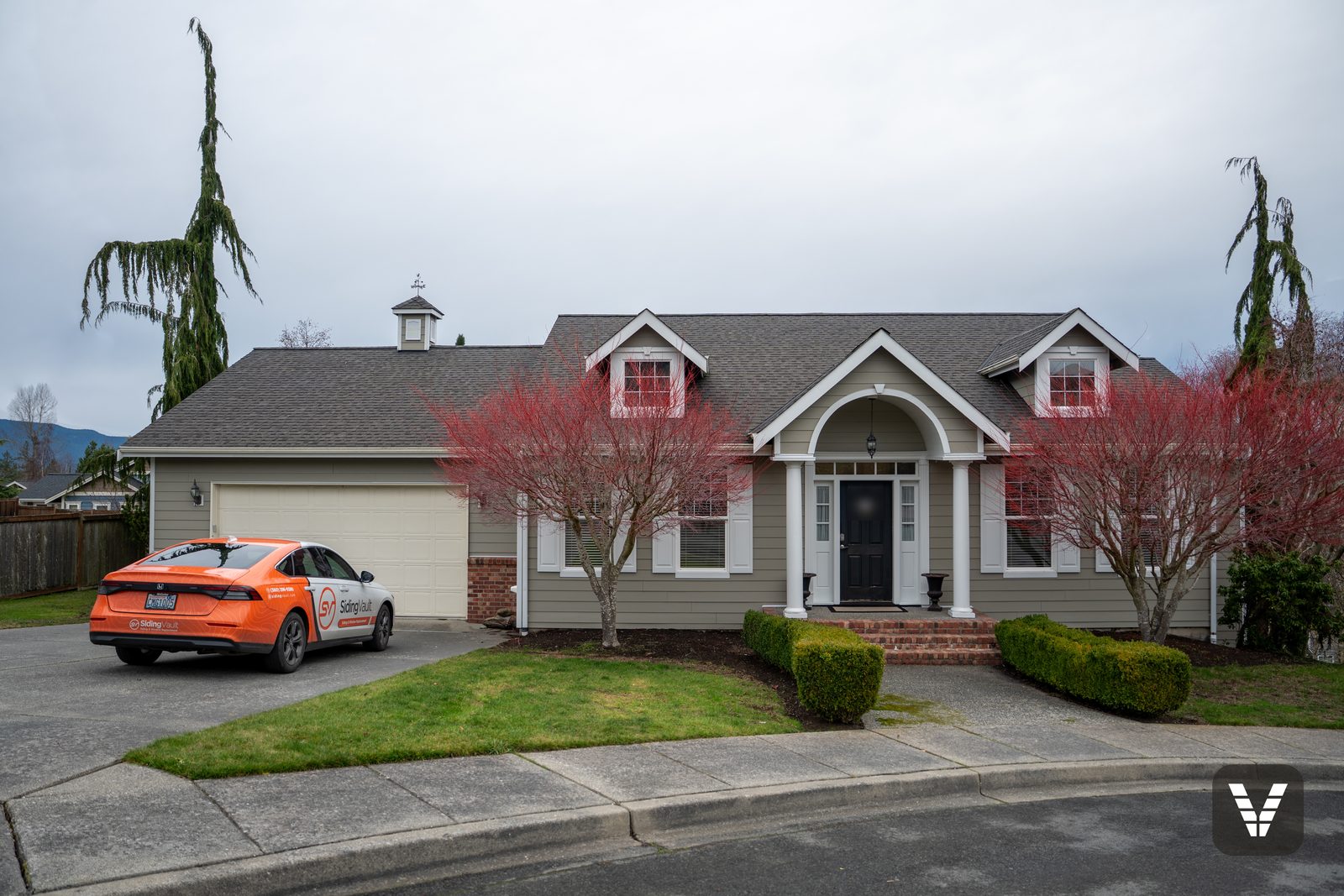
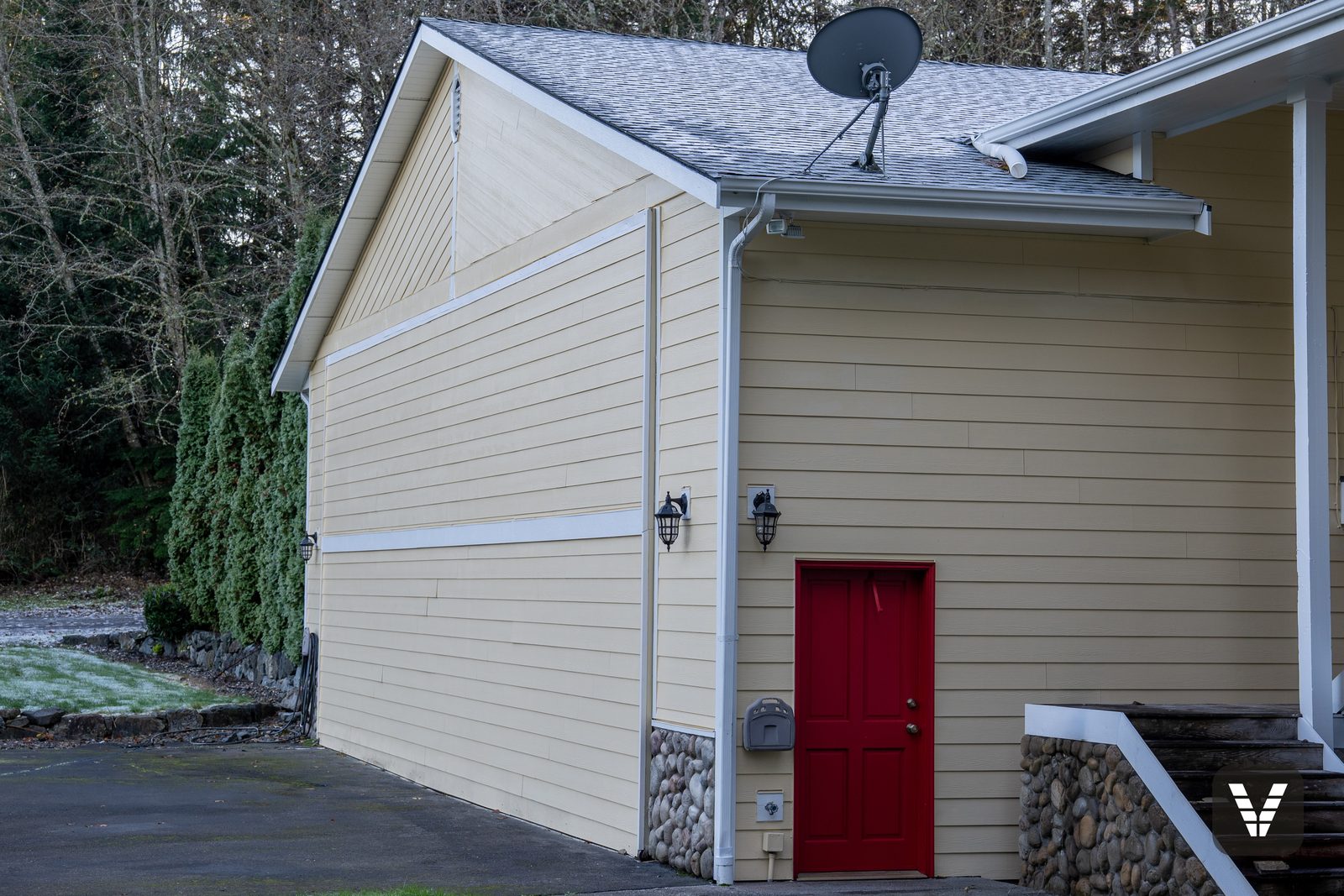
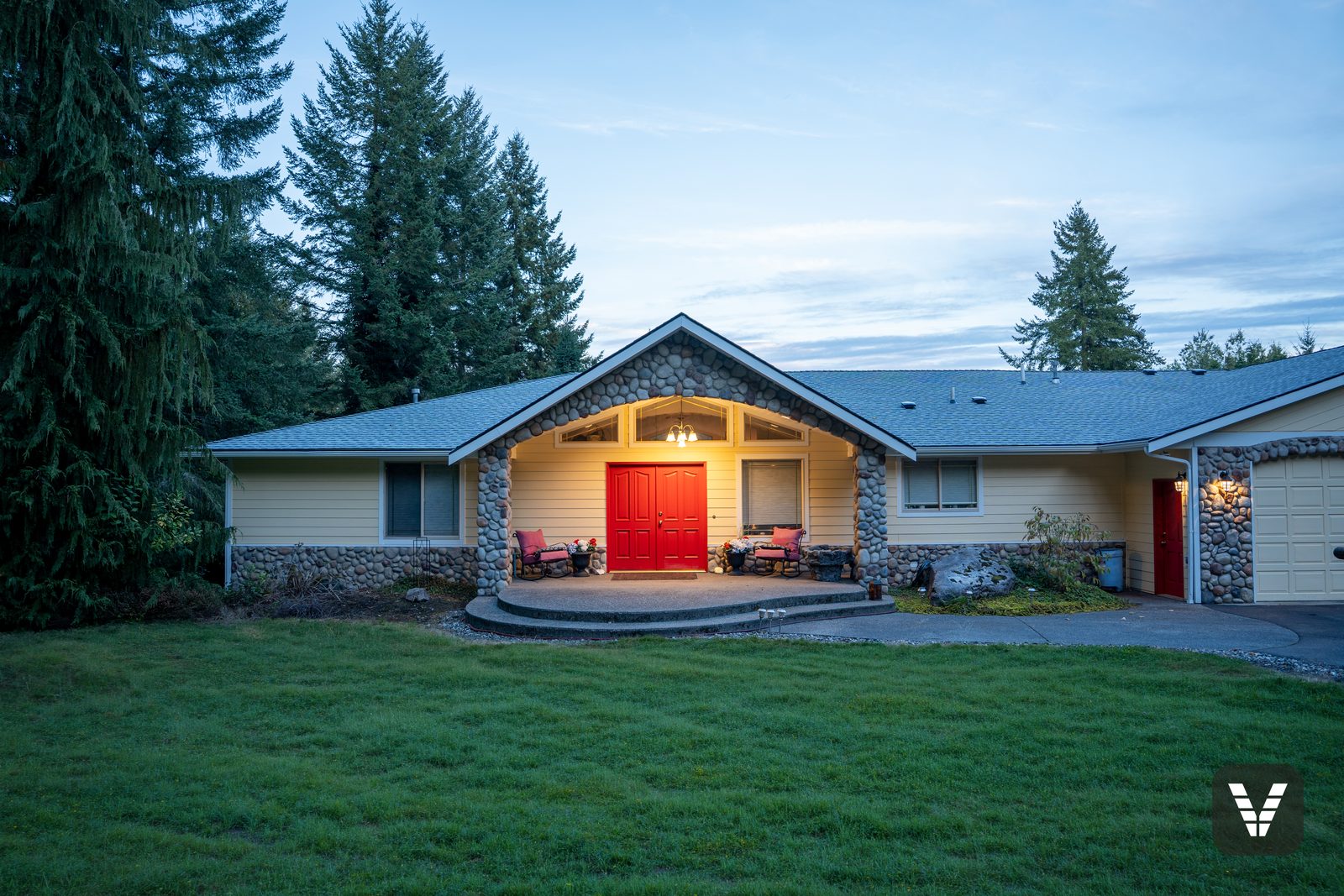
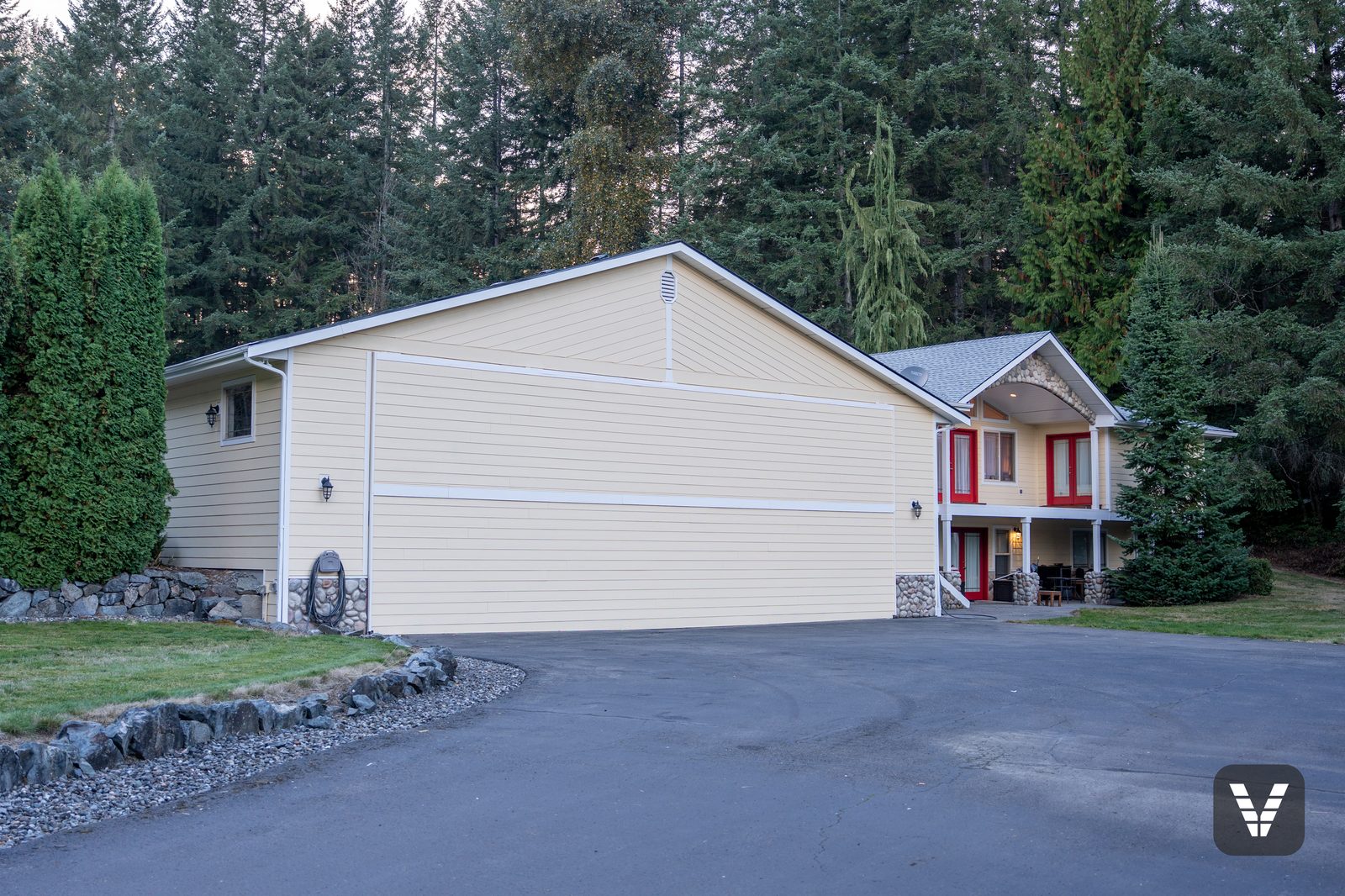
This is the work Lake Stevens homes ask of us — from the lakeshore to Soper Hill. Flip through and picture your home next.
Get a Free Estimate →Lake Stevens builds in rings: the 1908 mill-town blocks and resort-era cabins near the northeast shore, postwar and '80s–'90s plats up Cavelero and toward Getchell, and 2000s–2010s waves on Soper Hill still filling in. Shore-side homes fight lake damp and morning fog that keep walls wet; hillside stock fights the usual builder-grade aging — and whole streets of it reach end-of-life together.
Permits run through the City of Lake Stevens Permit Center for most addresses — since 2024 the city even exempts like-for-like window swaps in existing openings — while Machias- and Getchell-edge parcels outside city limits run through Snohomish County PDS, where like-for-like siding and window replacement is permit-exempt. We confirm jurisdiction per address and handle whatever your scope actually needs, start to finish.
…and everywhere else around the lake, plus the Machias and Getchell edges.

No pressure, no jargon — a clear path from first call to final inspection.
Call (360) 296-9380 or send the form — tell us a little about your home and what's failing.
We measure at your home, open up anything suspicious with your OK, and write a bid specific to your house — minimal boilerplate.
Permits pulled, work scheduled around the weather, and the final inspection passed before we call it finished.
Every bid is measured on site and itemized — these are the factors that actually change the number.
Wall area drives material; height drives scaffold time. A Soper Hill two-story prices differently than a shore-side rambler.
Siding replacement →What's behind the old siding is the honest unknown — we scope known rot into the bid and price discovered rot transparently, per repair.
Rot repair →Hardie ColorPlus, primed fiber cement, or engineered wood — we quote options side by side so you see the real difference.
Compare materials →Combining siding and windows saves one full mobilization and gets properly integrated flashing — the cheapest time to do windows is during a re-side.
Window replacement →Lake Stevens started as a mill town. The Rucker Brothers built one of the region's big shingle mills on the lake's northeast shore in 1907, ran a rail spur down from Hartford, and platted the town in 1908 — a business district and workers' housing for a 250-man payroll. Today's downtown sits on that plat, and its oldest homes are plain, sturdy mill-era frame construction, repaired and re-sided in layers for over a century.
When the mill burned in 1925, the lake itself became the economy. Resorts ringed the water, and the summer cabins that followed through the '20s–'40s were built as seasonal shelter — light framing, minimal foundations, no thought of February. Most were winterized into year-round homes decade by decade, which is why shore-side walls here so often hide improvised framing and patchwork flashing under newer siding.
Incorporation came late and small: the town of about 900 organized in 1960, the same year the Frontier Village shopping center opened at Highway 9 and SR 204. Annexation then wrapped the city around the entire lake, and the hills filled in waves — '80s–'90s plats toward Cavelero and Getchell, then the 2000s–2010s boom that pushed Soper Hill and made Lake Stevens one of the county's fastest-growing cities, past 30,000 people.
That history sorts today's work neatly: mill-era and cabin stock near the water needs structural honesty before anything cosmetic, while hillside tracts age out a street at a time — same builder, same boards, same decade of failure. We bid to the ring your house sits in, not to a citywide average.
A free on-site estimate anywhere in Lake Stevens — measured at your home, itemized, and specific to your shore or hill.