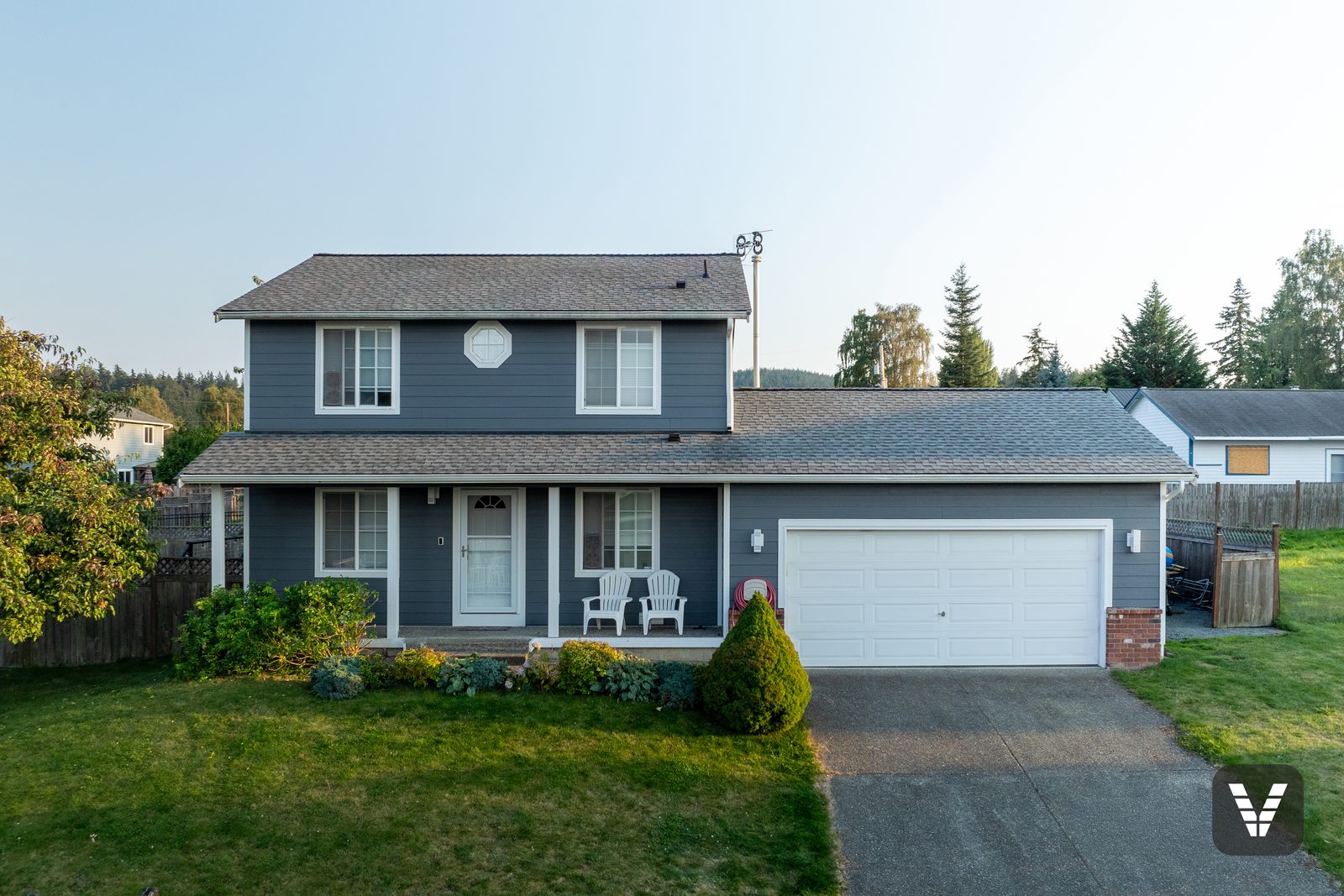
What 'Elite Contractor' Actually Requires From an Installer
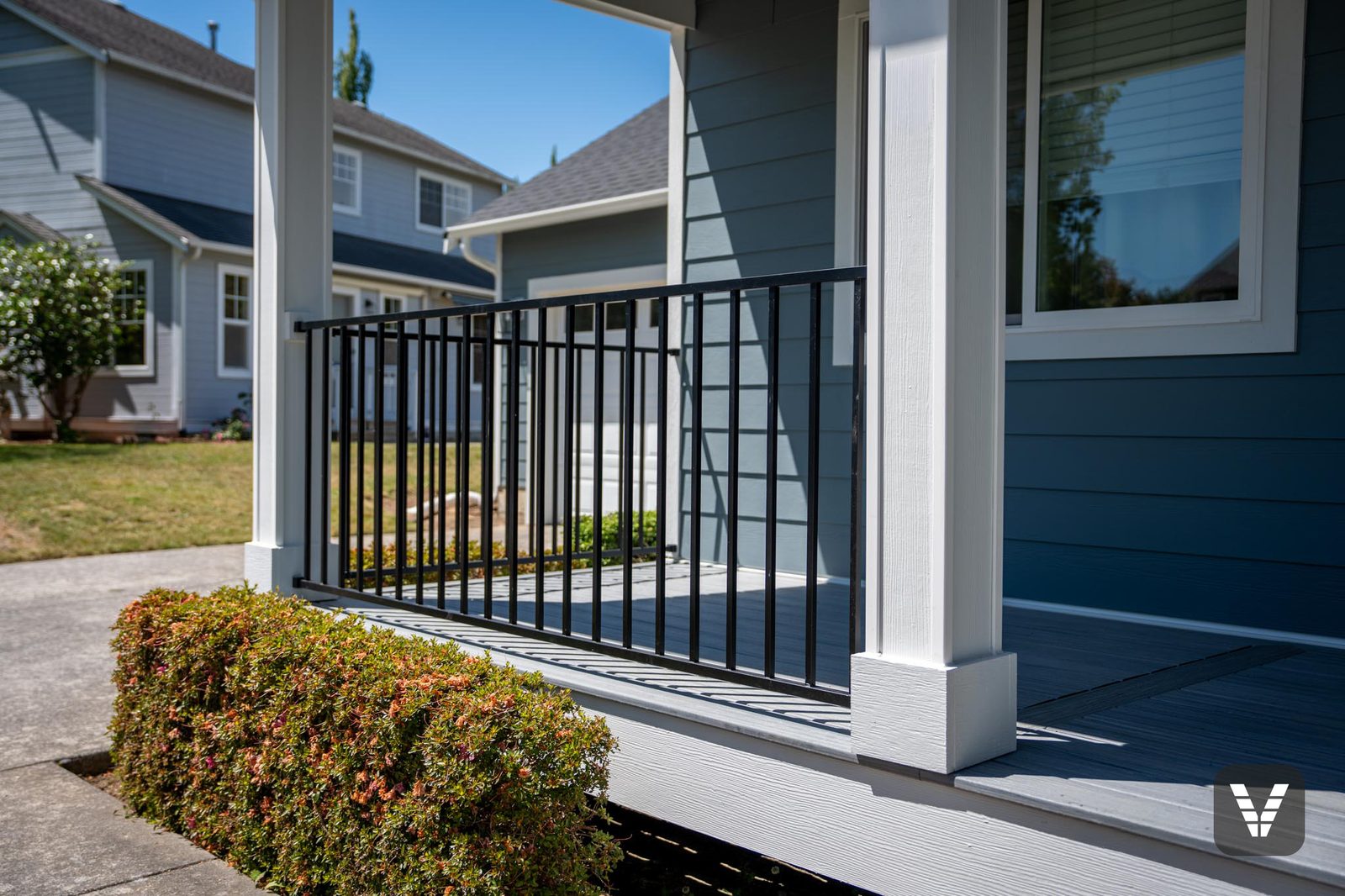
Short version: “Elite Contractor” isn’t a sticker a company buys — it’s a standing in James Hardie’s Contractor Alliance Program that has to be earned and kept through spec-compliant installation, ongoing product training, and the manufacturer’s continued review of the work. It matters to you for one practical reason: Hardie’s warranties assume the product was installed the way Hardie says to install it, so the installer’s discipline is effectively part of your coverage. Here’s what sits behind the badge, and how to use it without over-trusting it.
The program behind the badge
James Hardie doesn't install its own siding. Every Hardie wall in the country is built by an independent contractor — which creates an obvious problem for a manufacturer whose product only performs when it's installed correctly. Fiber cement is unforgiving of shortcuts: wrong fasteners, missing clearances, or skipped flashing details can undermine a board that would otherwise last decades.
The Contractor Alliance Program is Hardie's answer. It's a tiered program that tracks how contractors actually handle the product — their installation practices, their training, their volume of Hardie work, and how their customers rate the results. Contractors move up the tiers by demonstrating, over time, that their installs match what the manufacturer specifies. Elite status sits at the top of that ladder.
The part worth internalizing as a homeowner: the tier isn't purchased and it isn't a marketing membership. Plenty of contractors install Hardie occasionally without any standing in the program at all — legally and sometimes competently. The badge exists precisely because the manufacturer wanted a way to distinguish contractors it has evaluated from contractors it merely supplies.
Ask any contractor bidding Hardie two questions: what clearance do you hold between siding and the roof surface, and how do you treat cut edges? Neither answer is secret — both are in Hardie's install documents — but hearing a specific, immediate answer tells you whether the crew works from the spec or from habit.
What the tier actually requires
Three commitments sit underneath the label, and they're the reason it's harder to keep than to print.
Installing to the manufacturer's spec. Hardie publishes detailed installation requirements — fastener types and placement, gaps at joints, clearances above roofs, decks, and grade, flashing details, and how cut edges get sealed. These aren't suggestions; they're the conditions the product was engineered and tested around. An aligned contractor commits to building walls the way the documents say, every time, including the details that disappear behind the siding where no homeowner would ever catch a shortcut.
Staying trained. Products change — new lines, new trim systems, updated best practices, and formal install-requirement revisions. Program contractors are expected to keep their teams current through Hardie's training rather than installing this year's product to last decade's habits. This is also where being local to the brand matters: we know our regional James Hardie reps, and product updates and changes to install guidance reach us directly rather than through rumor.
Being accountable to the manufacturer. Standing in the program is reviewed, not permanent. Hardie pays attention to whether a contractor's work and customer outcomes continue to merit the tier — through the program's evaluation and feedback mechanisms — and a contractor whose installs stop matching the spec doesn't keep the status. That review loop is the real difference between a tier and a sticker: someone with authority over the badge is watching how the work holds up.
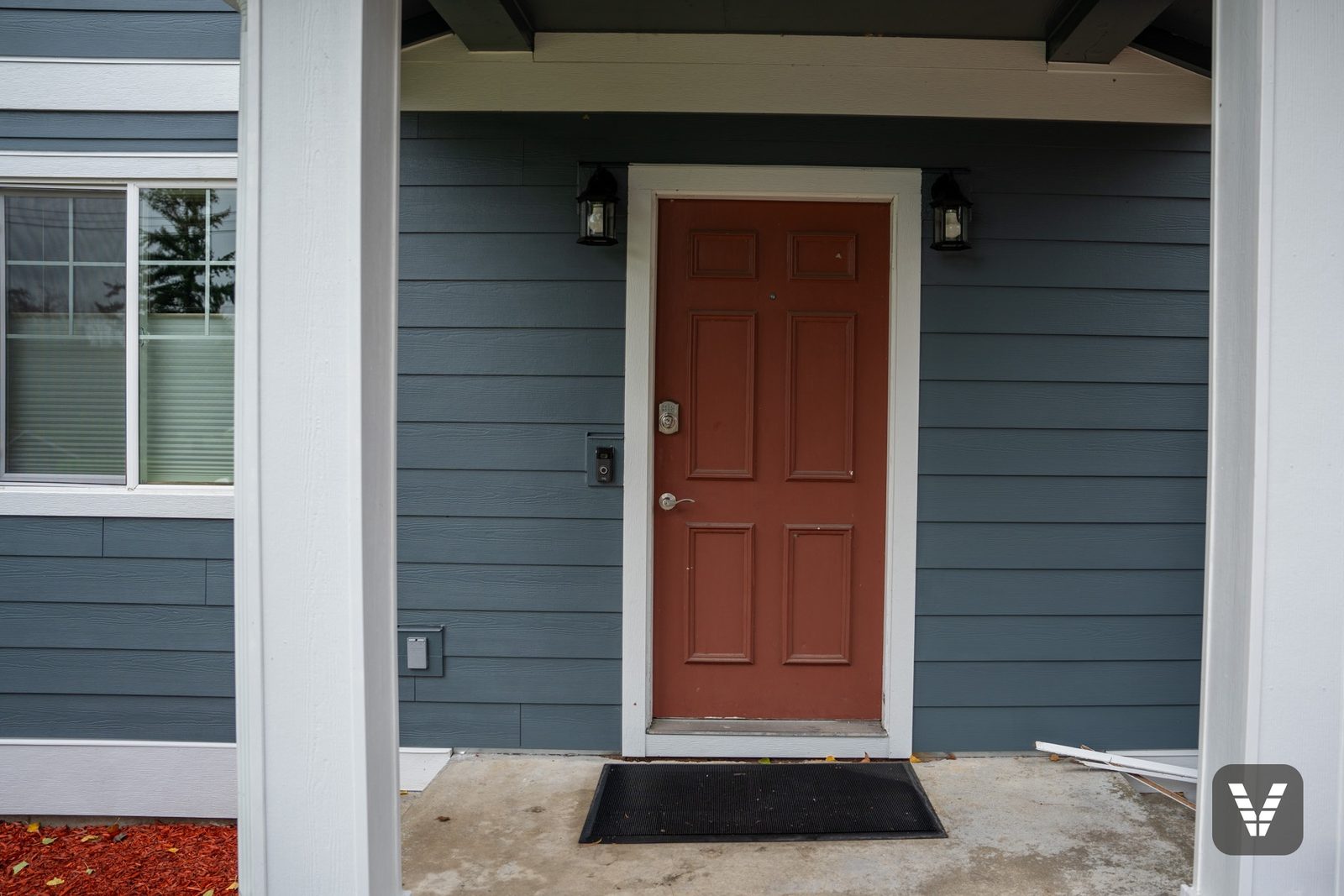
What it means for your warranty and your bid
Hardie's product warranties are substantial — Hardie Plank lap siding carries a 30-year substrate warranty, and the ColorPlus factory finish carries a 15-year finish warranty. But like nearly every manufacturer warranty in construction, coverage assumes the product was installed according to the manufacturer's requirements. A wall built off-spec can leave a homeowner arguing about installation quality at exactly the moment they need the warranty to work. Hiring a contractor whose standing depends on installing to that spec is how you keep the paperwork and the wall telling the same story.
On the bid itself, the tier shows up as specificity. An installer fluent in the product line names things precisely: Hardie Plank in a stated profile and exposure, ColorPlus in a named color from the regional palette — the Statement Collection is the stocked line in our region — versus primed board for field painting, with the trim system and flashing details spelled out. That fluency is checkable on paper before anyone touches your house, and it's a good proxy for what the install will look like.
Keep the badge in perspective, though. Elite status is one strong signal, not a substitute for the rest of your diligence: verify the license and bond, read the bid for the line items that matter, and talk to the contractor about how they handle the details. What the tier tells you is that one particularly qualified judge — the manufacturer whose name is on the box — has looked at this installer's work and put its own name behind them.