Why We Don't Install Vinyl Siding in Western Washington
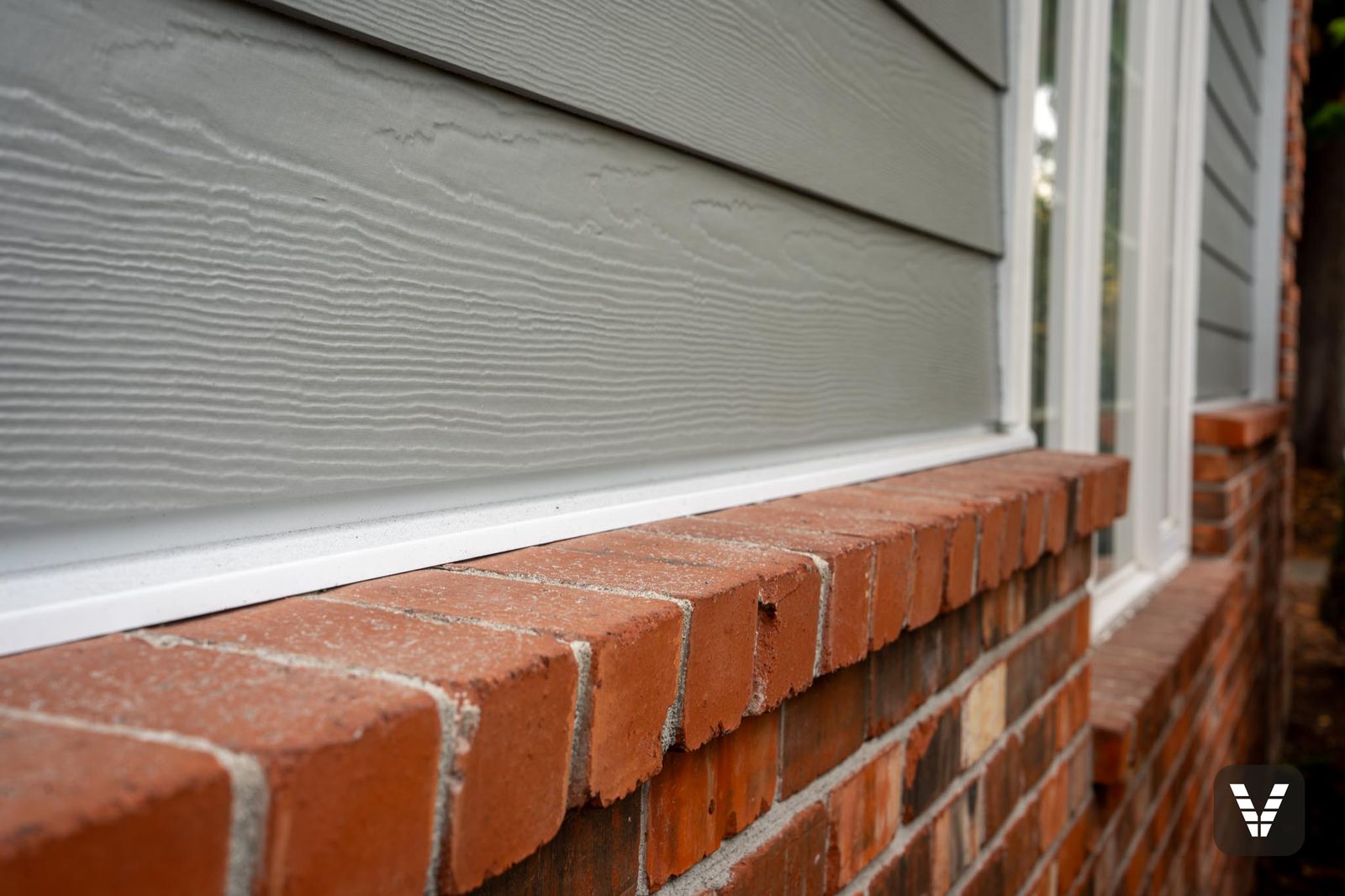
Short version: vinyl siding is cheap because it’s a thin, hollow plastic panel hung loose on the wall with unsealed joints — and Western Washington’s wind-driven rain, long wet season, and brittle-making winters attack every one of those compromises. Most vinyl walls here look tired within a decade, and the real damage happens out of sight behind the panels. Here’s why we don’t install it, and what we recommend instead at every budget.
What vinyl actually is — and why it costs less
Vinyl siding is a thin PVC plastic panel, usually a millimeter or so thick, hung on the wall so it can slide. That last part surprises people: vinyl expands and contracts noticeably with temperature, so it's installed loose on its nails, with each panel free to move sideways in its slot. It has to be — pin it tight and it buckles on the first warm day.
That design is exactly why it's inexpensive. The material is cheap to make, it's light, it goes up fast, and it never needs paint because the color runs through the plastic. On paper, that's a compelling pitch, and in drier, milder parts of the country vinyl can be a reasonable budget choice.
But everything that makes vinyl cheap is also a compromise: it's thin, it's hollow behind the face, it gets brittle in the cold, and it relies on loose, overlapping joints instead of sealed ones. None of those traits matter much — until you put the product somewhere that attacks each one of them. Which brings us to Western Washington.
When we tear off vinyl during a re-side, the siding itself usually looks fine from the street. What we're checking is the sheathing behind it — that's where a wet climate leaves its record. If you own a vinyl-sided home here, press on your trim and check inside below the windows once a year; the wall will tell you what the siding won't.
How our climate finds vinyl's weak points
Western Washington is a wind-driven-rain climate. Rain here doesn't just fall — for a good part of the year it arrives sideways, pushed by wind that pressurizes one face of your house and pulls at the other. Vinyl's overlapping panels and unsealed joints are designed to shed falling water, not to resist water being driven uphill and sideways into every seam. Wind-blown rain finds the laps, the J-channel around windows, and the gaps the panels need in order to move.
The wall behind the vinyl is supposed to handle that water — and when the house wrap and flashing were done well, it often does, for a while. The problem is that vinyl hides the evidence. Because the panels are hollow-backed and never rot themselves, water can work on the sheathing behind them for years with nothing visible from the curb. By the time trouble shows, it's usually rot, not siding, you're paying to fix.
The material itself ages hard here too. Panels turn brittle over years of cold, wet winters, and a ladder bump, an errant baseball, or a windstorm can crack them. Wind can unzip loose panels off a gable. South- and west-facing walls fade unevenly, and faded vinyl can't be refreshed the way painted siding can — matching a single replacement panel to twenty-year-old sun-bleached plastic is nearly impossible. That's the pattern behind the headline: the product isn't defective, it's just mismatched to the place. Our climate finds the compromises, usually within a decade.
What we recommend instead, at every budget
The good news is that the alternatives aren't exotic — they're the products most exterior contractors here install every week.
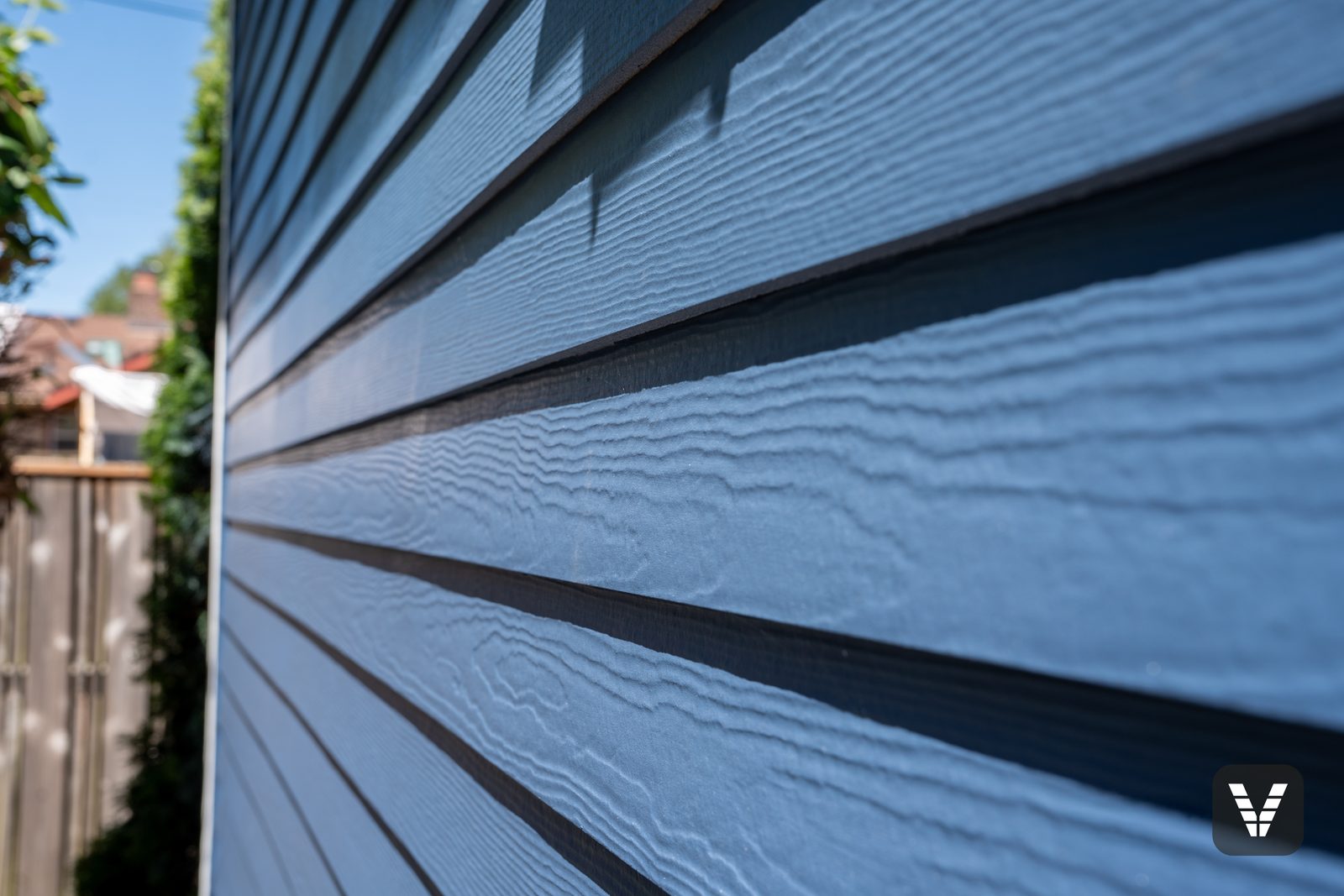
Fiber cement is our default recommendation for most homes. It's a cement-and-cellulose board that doesn't burn, doesn't feed rot, and doesn't care that it rains from October to May. James Hardie is the name-brand version — Hardie Plank lap siding carries a 30-year substrate warranty, and the factory-finished ColorPlus option carries a 15-year finish warranty, which says something about how the material holds paint. It costs more than vinyl up front, and it's the difference you can feel when you knock on the wall.
LP SmartSide is an engineered wood product that lands between vinyl and fiber cement on price. It's treated against moisture and fungal decay, installs with sealed joints and real flashing details, and takes paint well — a solid budget-conscious choice that still respects the climate.
Cedar is the traditional Northwest answer: beautiful, naturally rot-resistant, and repairable board by board. It asks the most of you in maintenance — regular finish work is not optional here — so we recommend it to owners who love the look enough to keep up with it.
A full re-side in the Northwest typically runs $20k–$60k depending on the size of the home, the product, and what the walls reveal during tear-off. Vinyl would trim the low end of that range — but on a wall system you want to last thirty years in this weather, it's the one line item we don't think should win on price.