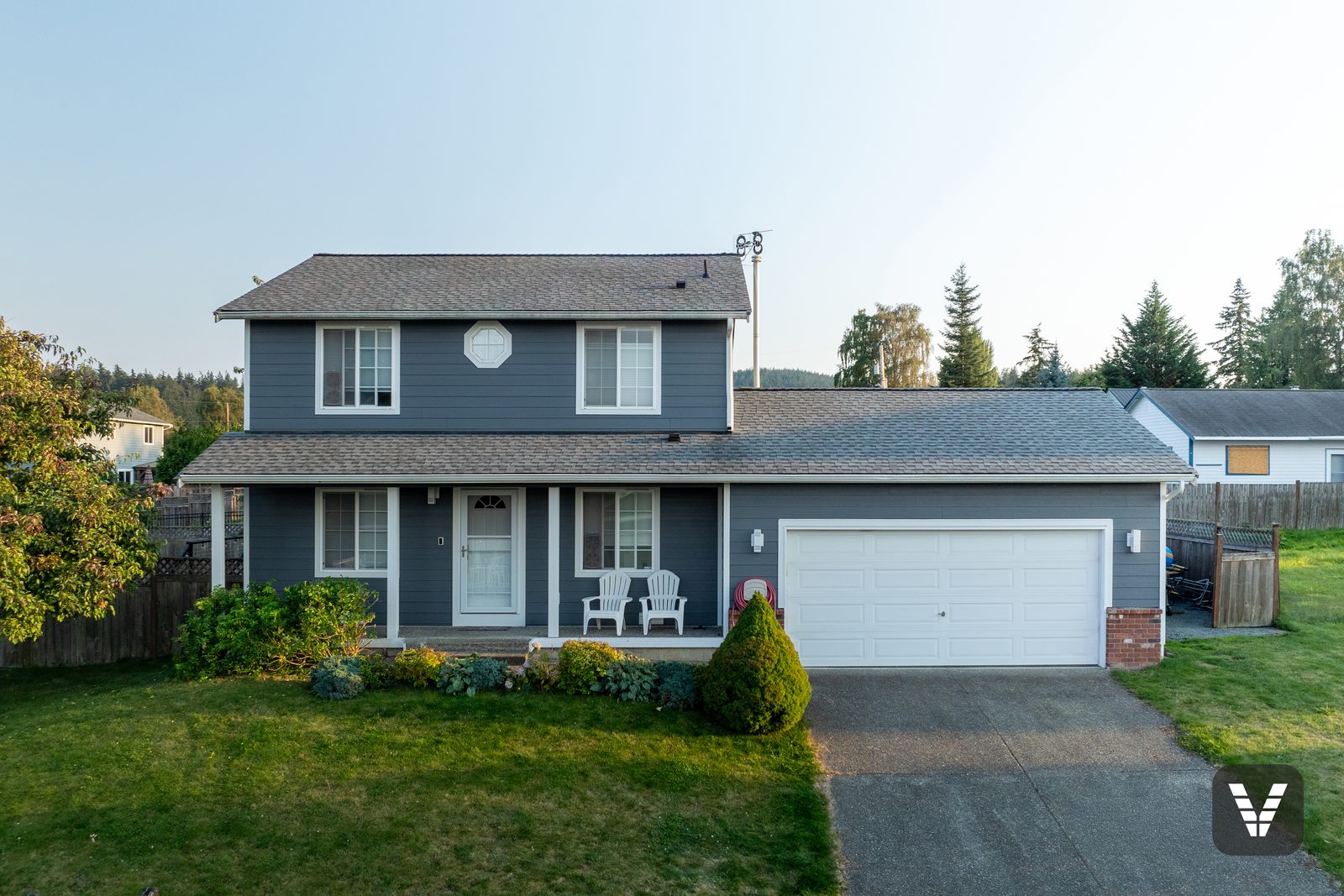
Can You Replace Siding in a Northwest Winter? Yes — Here's How
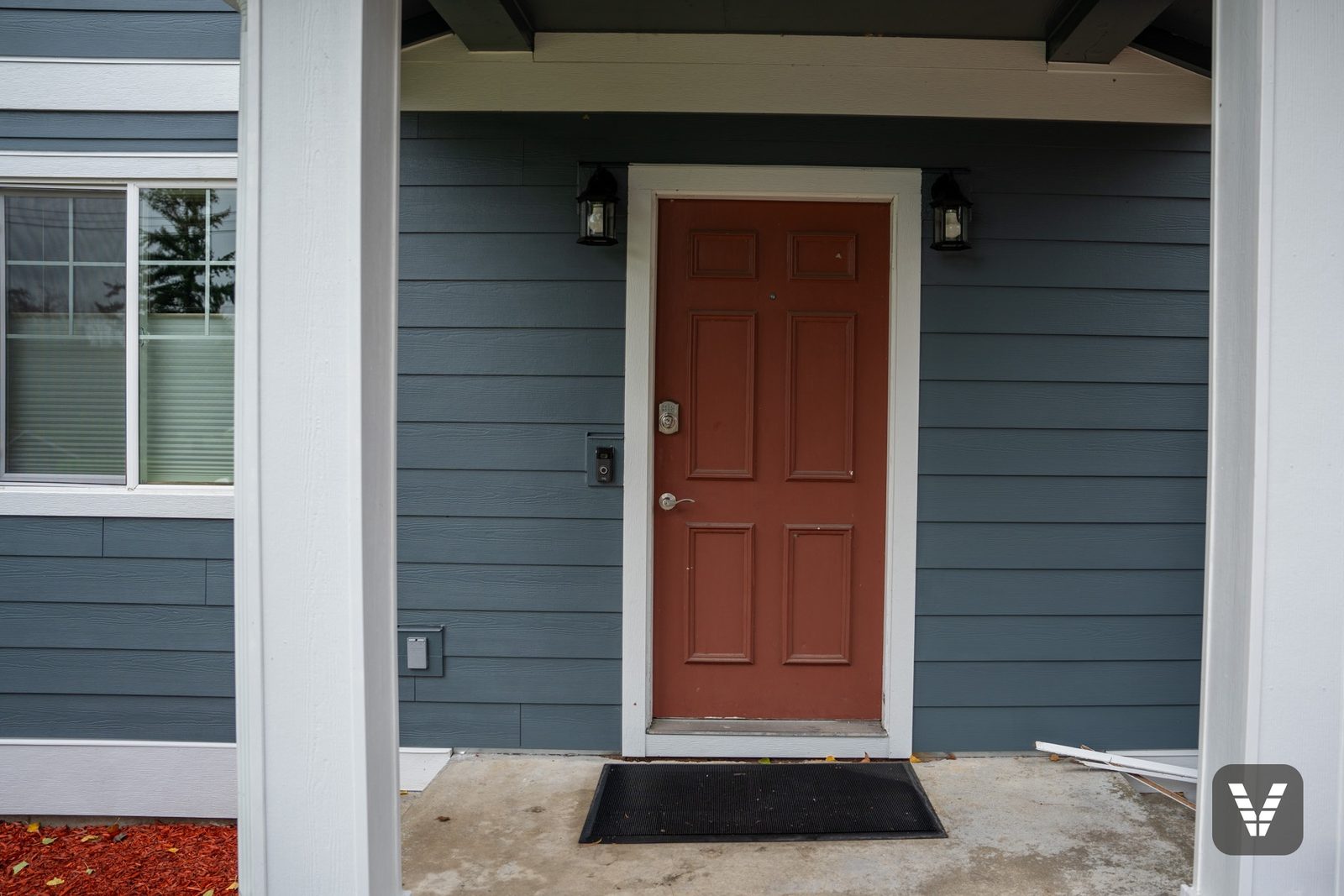
Short version: yes — exterior crews in Western Washington work all year, because our winters are wet, not frozen. Fiber cement installs the same in January as in July; what changes is discipline — opening the wall in sections, getting the weather barrier on the same day, storing material dry, and scheduling sealants and paint around temperature minimums. In exchange, the wet season usually offers shorter lead times and more negotiable pricing. And if your siding is actively failing, waiting for summer just buys the rot another season.
Why winter work is normal here, not a compromise
The first thing to understand about a Western Washington winter is what it isn't: it isn't Minnesota. Our maritime climate delivers rain, wind, and temperatures that hover above freezing far more often than below it. Hard-frozen ground and sub-zero stretches — the things that genuinely stop exterior construction — are rare and short here. That's why exterior crews in this region work year-round, and why waiting for July isn't a quality requirement, just a scheduling preference.
The materials cooperate, too. Fiber cement doesn't care that it's 42 degrees and gray — it cuts, hangs, and nails the same in January as in July. James Hardie products with the ColorPlus finish arrive with the color baked on at the factory, which removes the most weather-sensitive step — field painting — from the jobsite calendar entirely. Housewrap, flashing, and trim install fine in cold weather.
What winter actually changes is management: shorter daylight, more days when rain interrupts, and a few materials with real temperature limits. A crew that plans for those things produces the same wall in February that it would in August. A crew that doesn't is a problem in any month — winter just exposes it faster.
When we bid a winter re-side, the question we plan around isn't 'will it rain?' — it will — it's 'how much wall can we open and fully dry-in between rains?' If a contractor's winter plan doesn't mention sectional tear-off and same-day weather barrier, ask them what happens to your open wall when the forecast is wrong.
What actually changes on a winter jobsite
Watch a well-run wet-season re-side and you'll see a handful of specific adaptations:
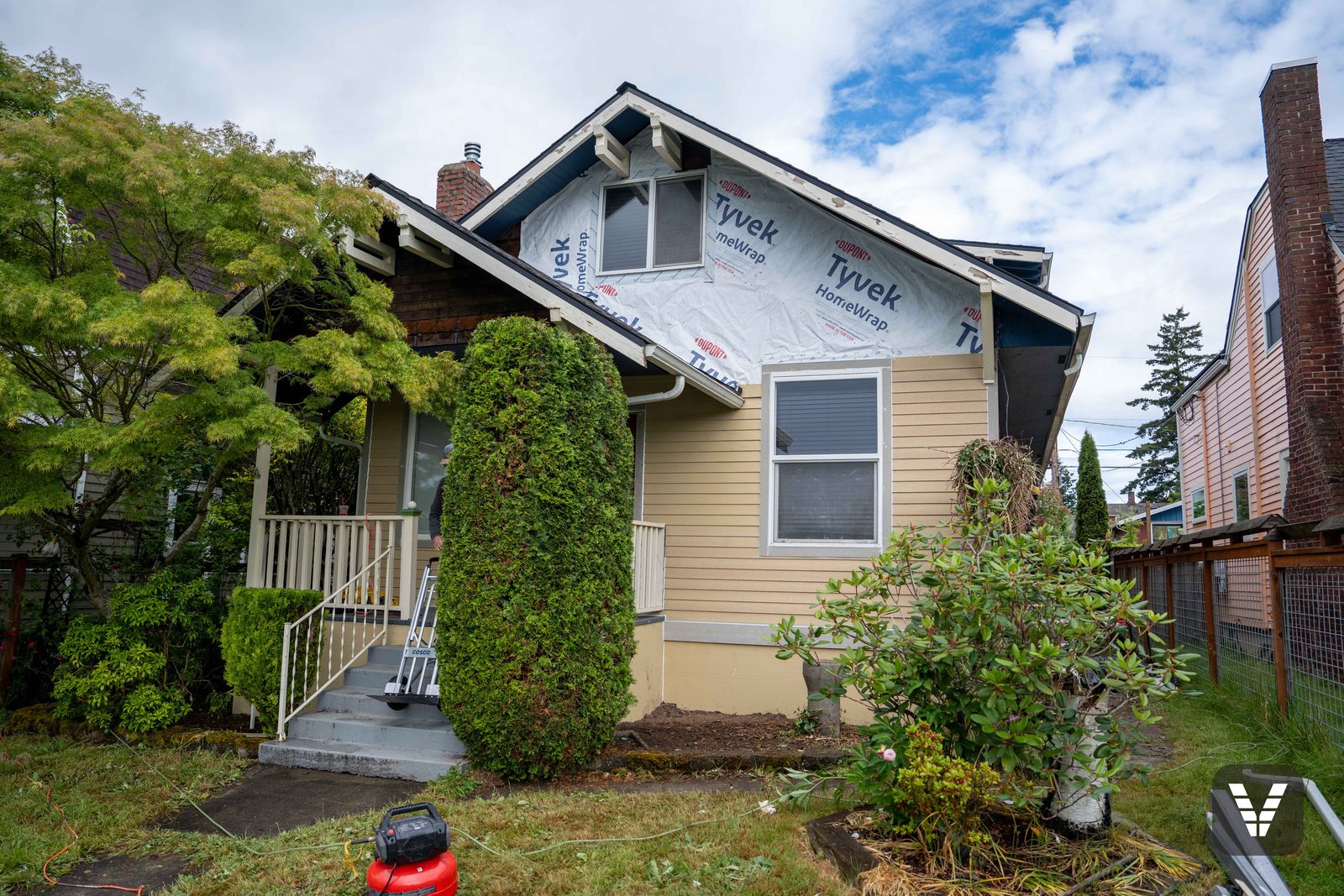
- The house is opened in sections, never all at once. Crews strip only as much wall as they can dry-in the same day. Exposed sheathing gets its weather-resistive barrier — the actual waterproofing layer of the wall — before anyone goes home, and tarps cover anything in progress.
- Sealants and paint respect their temperature floors. Most exterior sealants and paints list minimum application temperatures on the label, and cure more slowly near those minimums. Good crews check the label and the forecast, and schedule caulking and any field painting for windows of workable weather rather than forcing them.
- Materials are stored dry. Fiber cement and trim stock stay covered and off the ground until they go on the wall. Installing saturated material is a shortcut with a long tail, and it's avoidable with basic site discipline.
- Schedules carry slack. A winter re-side is bid with weather days in it. If a storm parks over the county, the honest answer is the job takes a few days longer — not that the crew works through conditions that compromise the dry-in.
There's also a genuine winter advantage: tear-off in the wet season shows you the wall at its worst. Active leaks, damp sheathing, and the paths wind-driven rain actually takes are visible in February in a way they simply aren't during an August dry spell — so what gets found gets fixed, not guessed at.
The scheduling and price side of the wet season
Siding demand in this region peaks in the dry months, when everyone has the same idea at once. The practical consequences of booking against that current run in your favor:
Lead times shorten. The waiting list that stretches out in spring and summer compresses in the off-season, so the gap between signing and start date is typically at its smallest. If your siding is actively failing — soft spots, open seams, water getting in — that matters more than the season does, because the wall is taking on water now, and every additional wet month feeds the rot you'll eventually pay to repair.
Pricing is at its most negotiable. We won't invent a percentage here, because honest winter pricing isn't a gimmick — it's the simple fact that contractors would rather keep good crews working through the slow season than idle them. It's a good time of year to collect bids and to ask directly what off-season scheduling does to the number. A full re-side typically lands in the $20,000–$60,000 range depending on the house and material, so even a modest seasonal difference is real money.
You're first in line for spring problems. A wall opened, repaired, and properly dried-in over the winter enters the next wet season protected. The homeowner who waits for summer spends one more winter feeding whatever is already going on behind the siding.