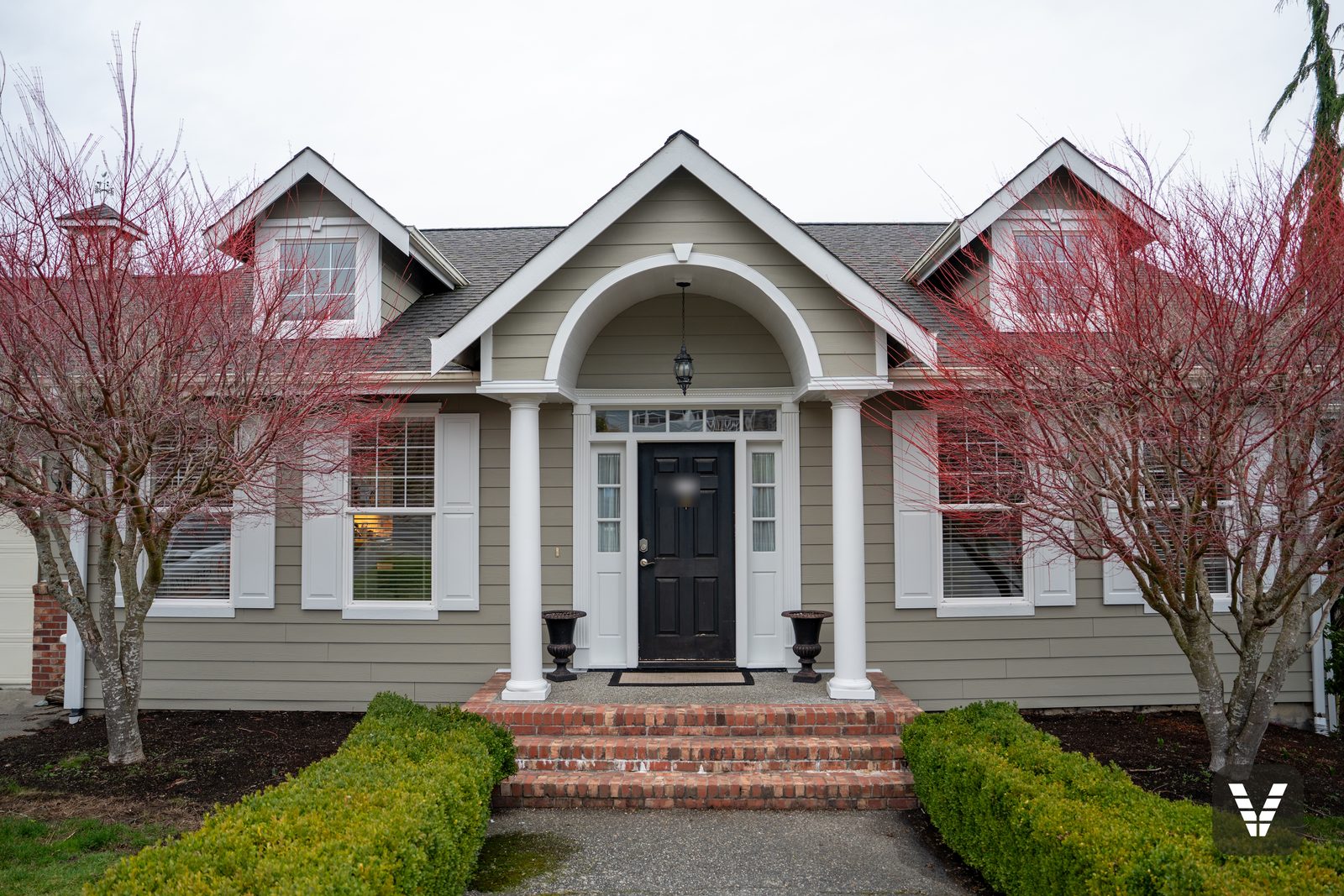
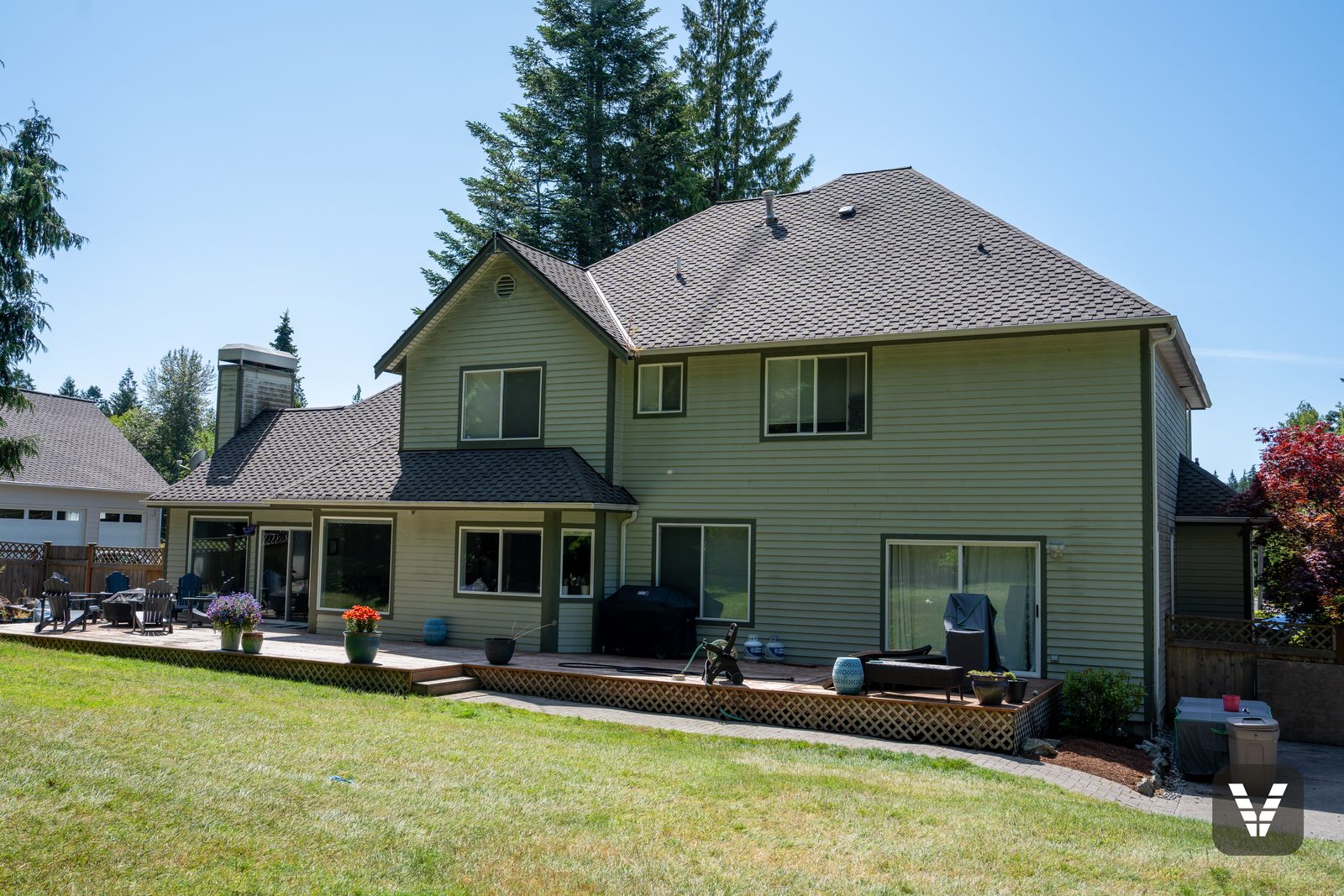
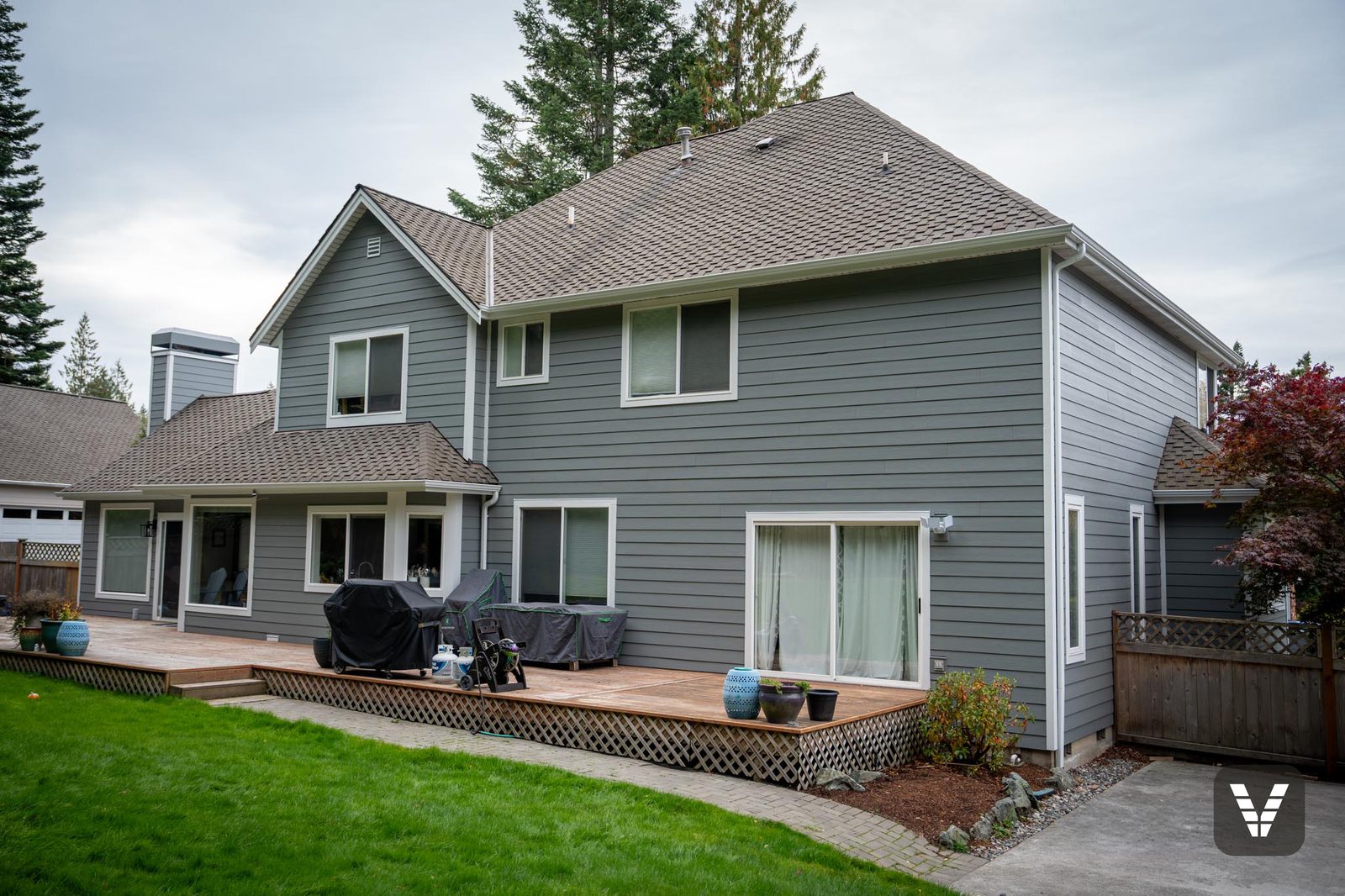
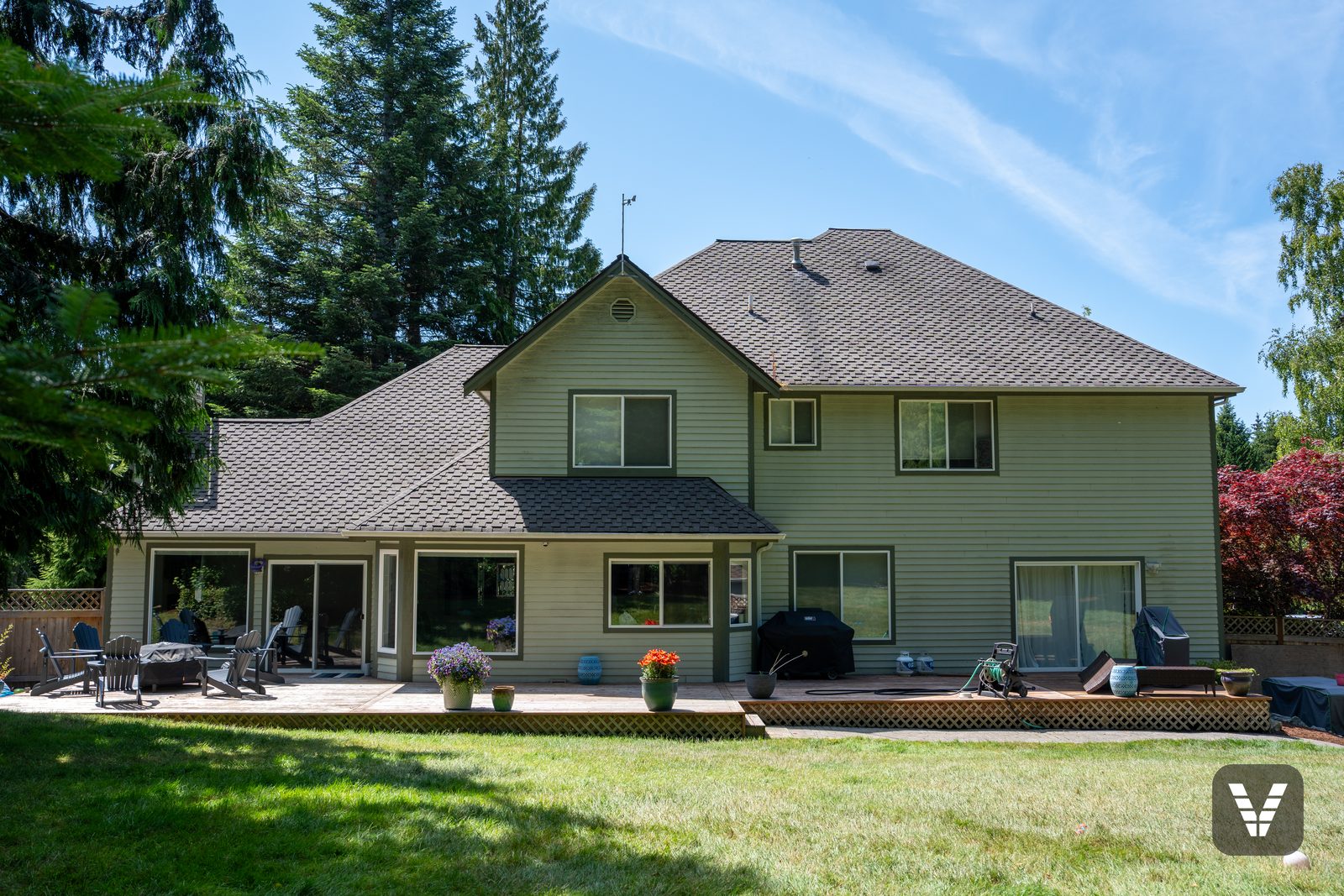
Every service below has its own Concrete page — the cement-era housing stock here, Town of Concrete permit notes, and what upper-valley weather asks of an install.
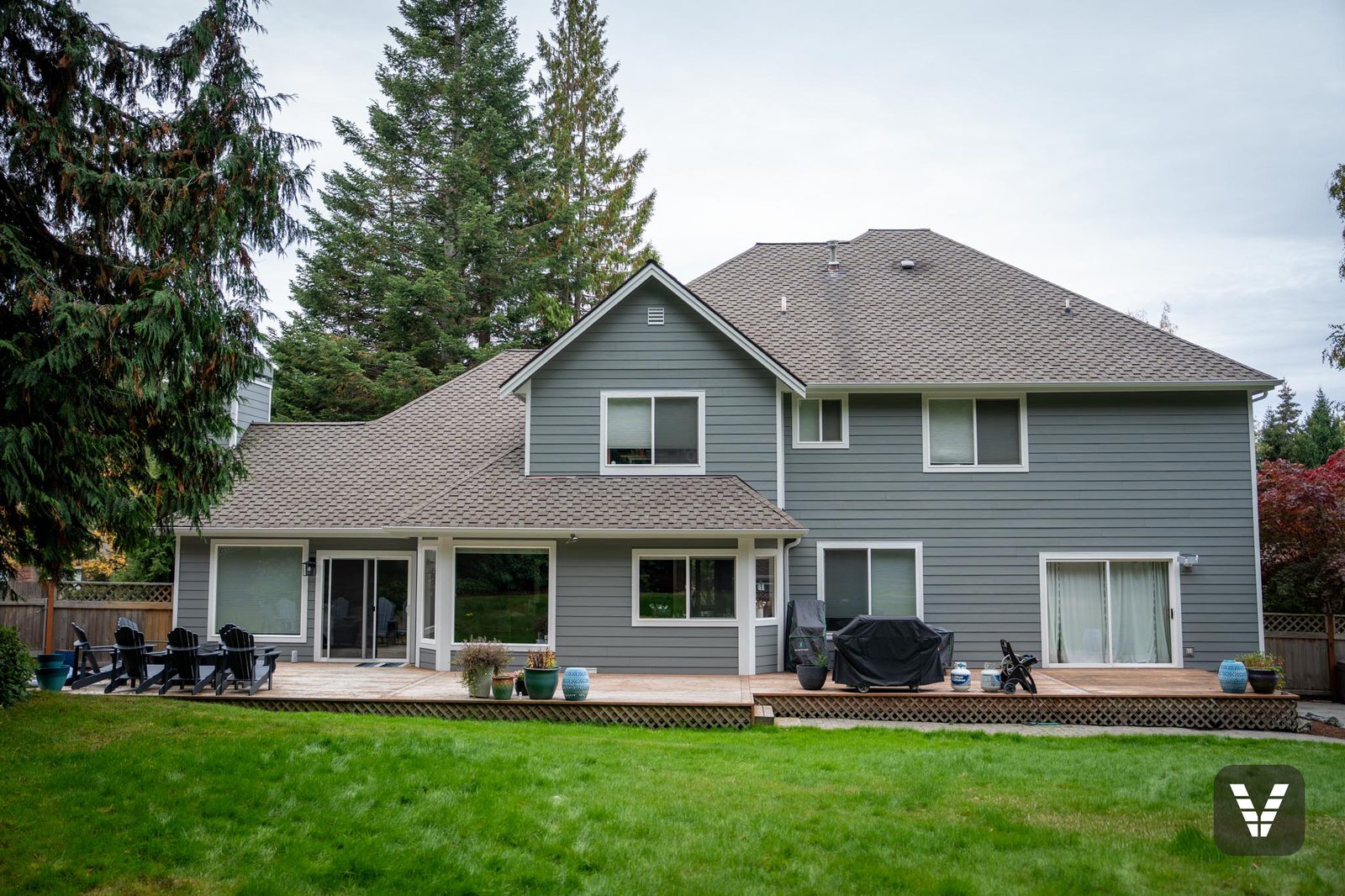
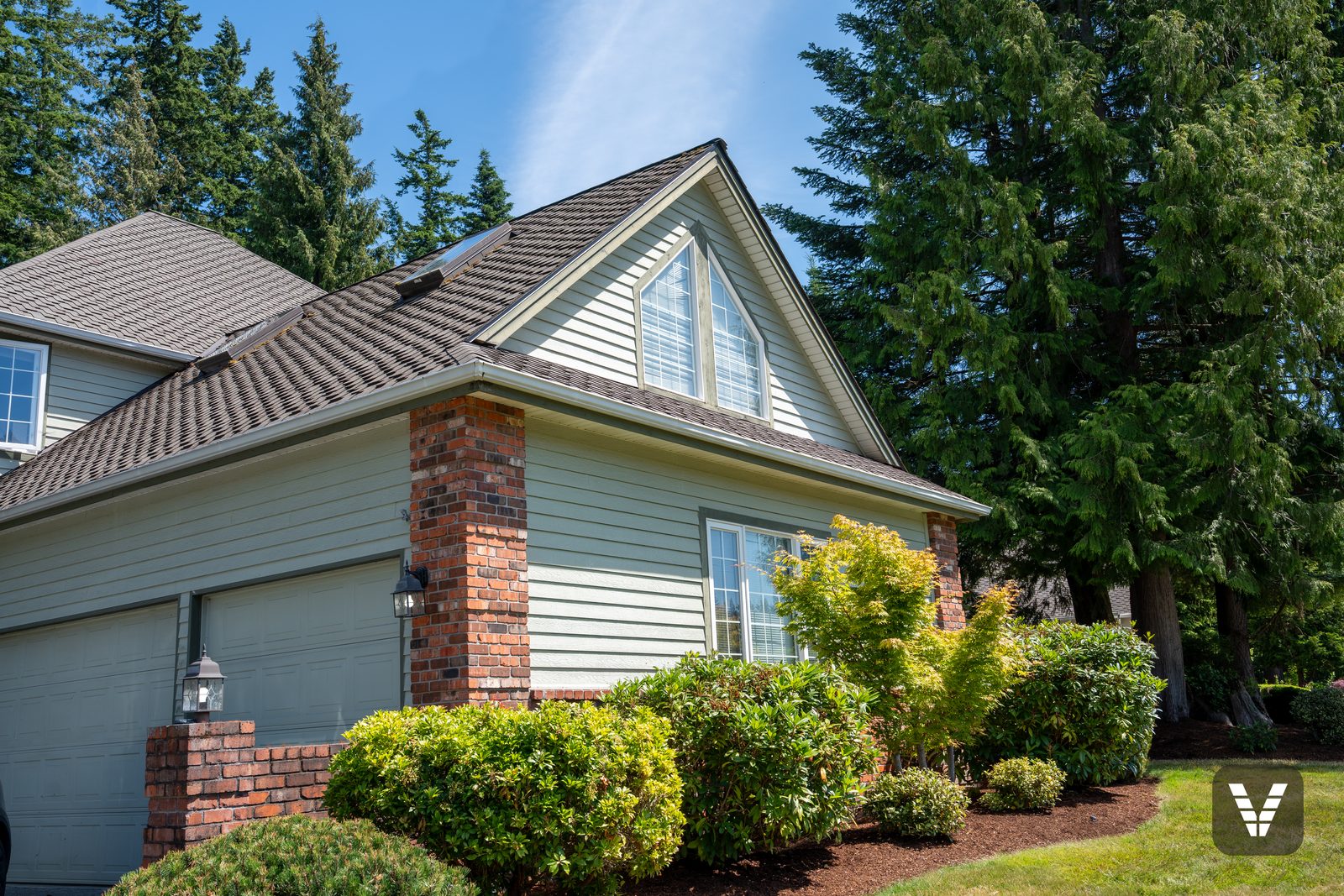
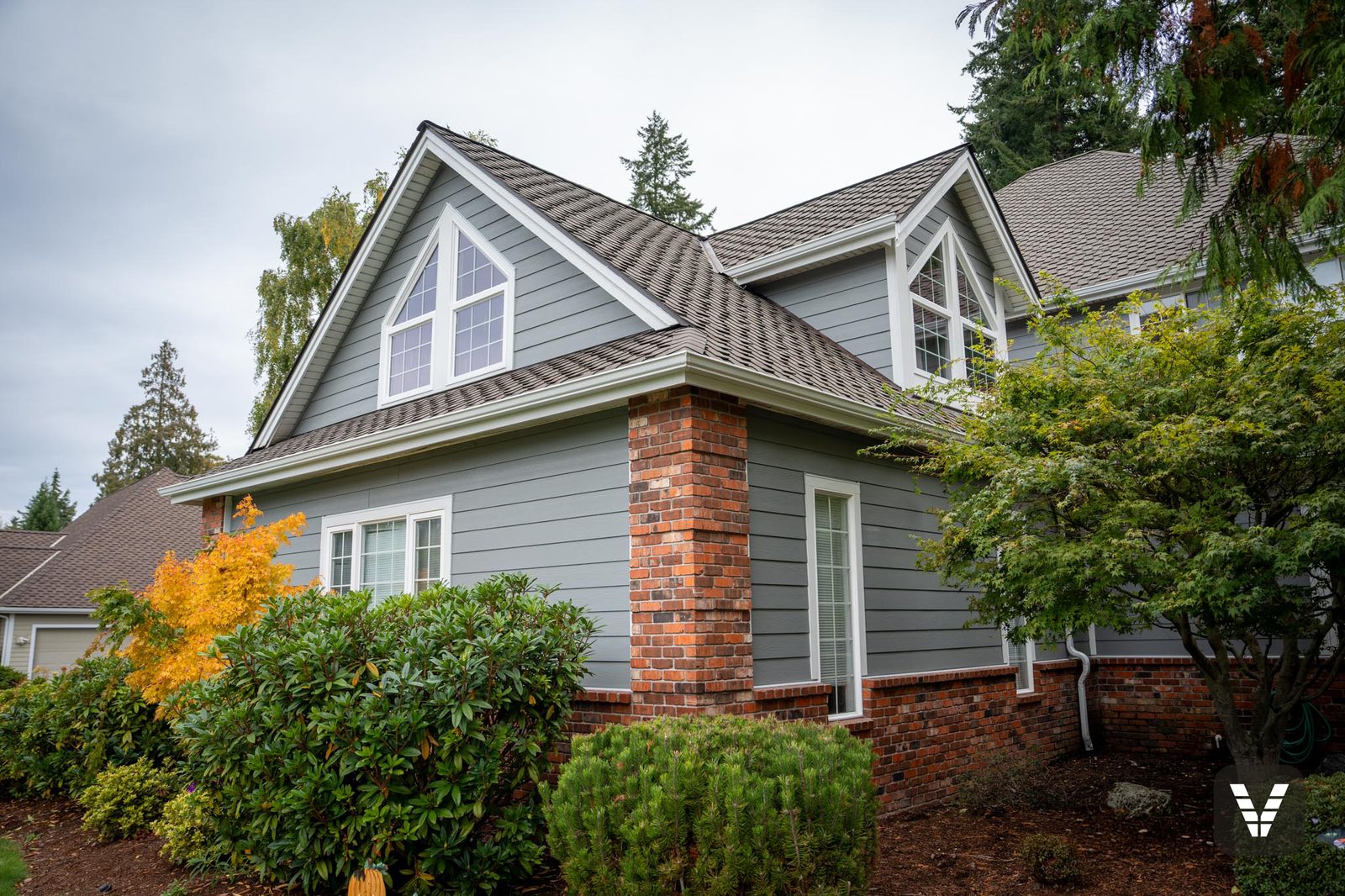
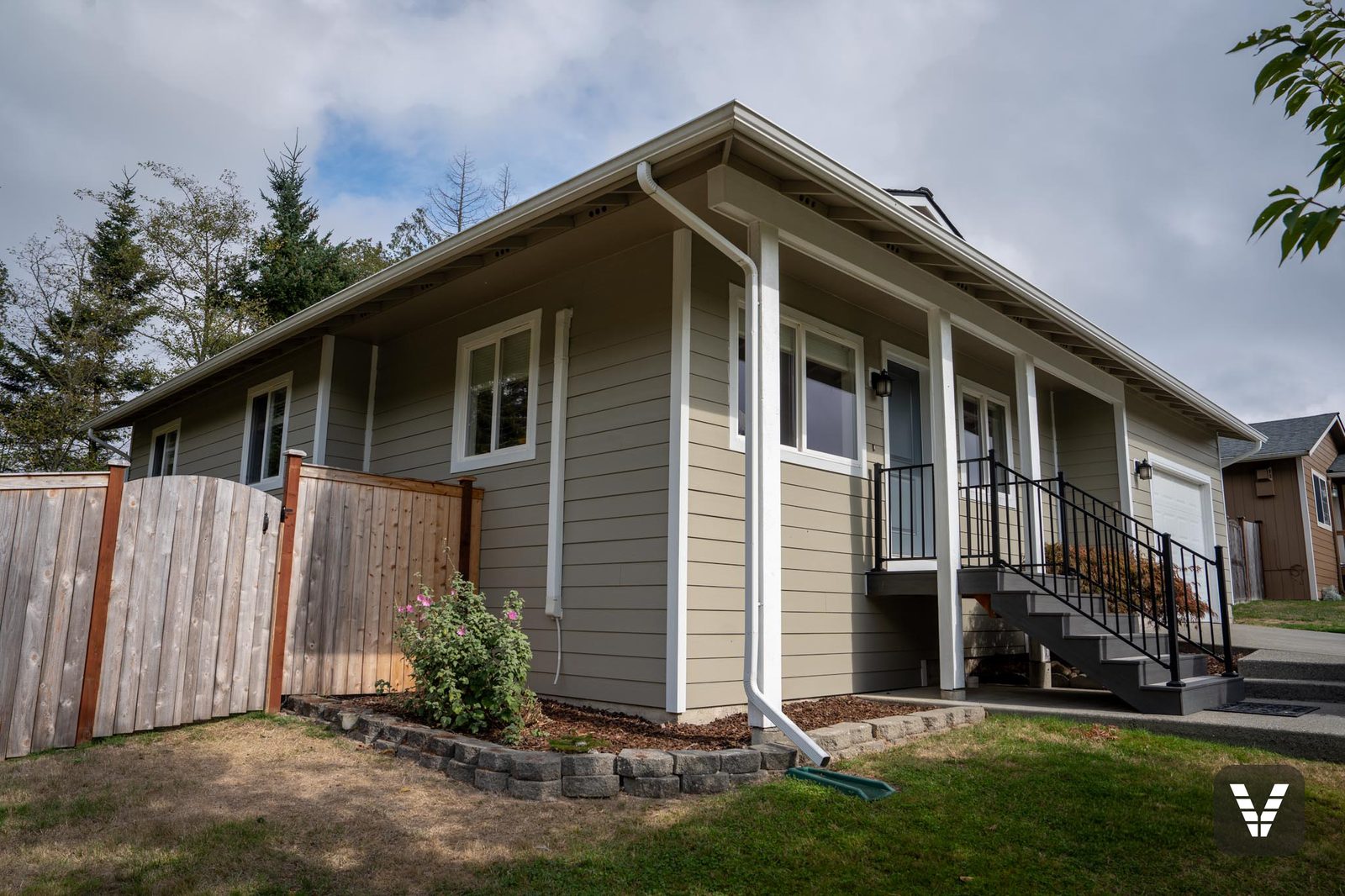
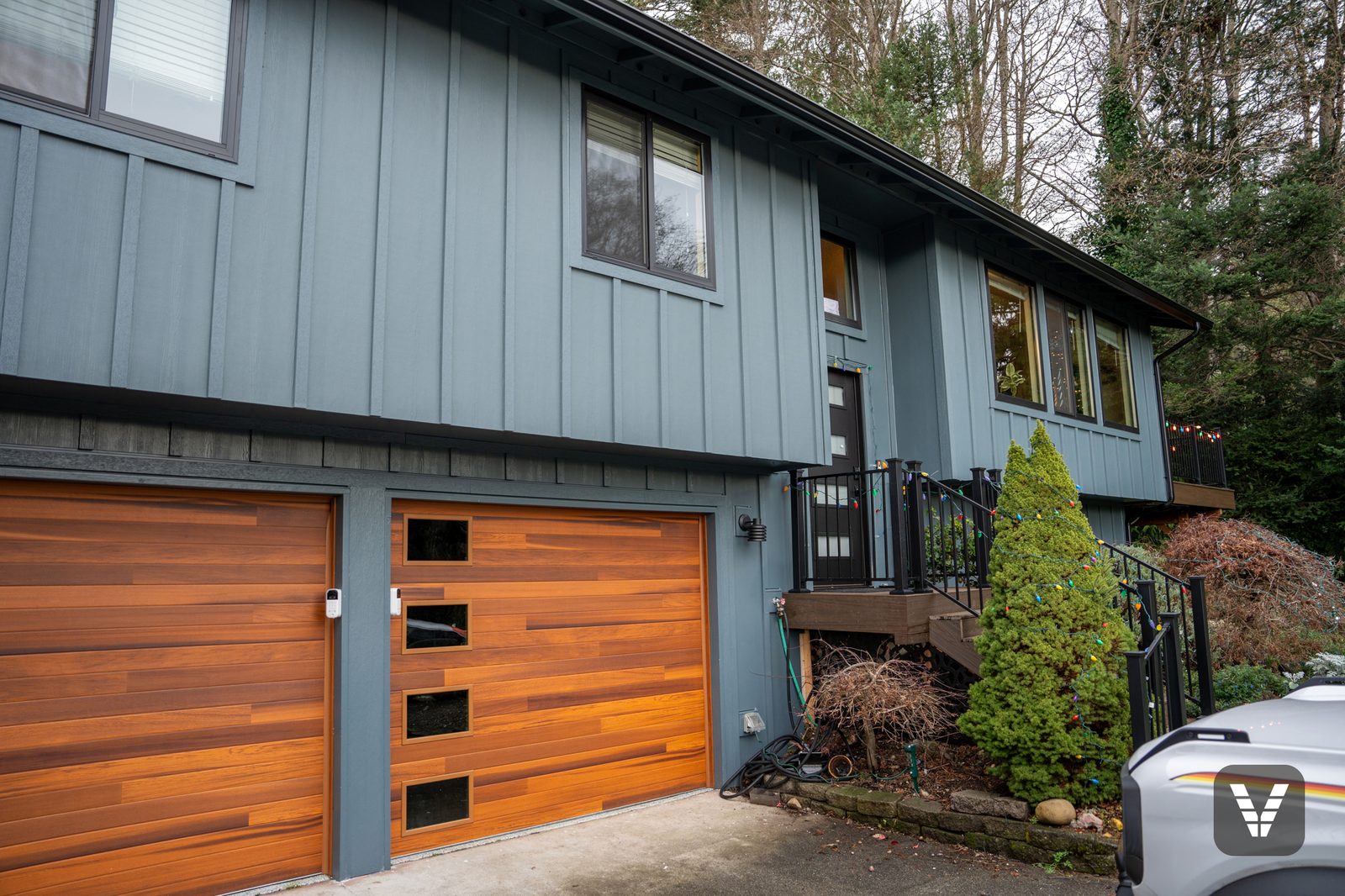
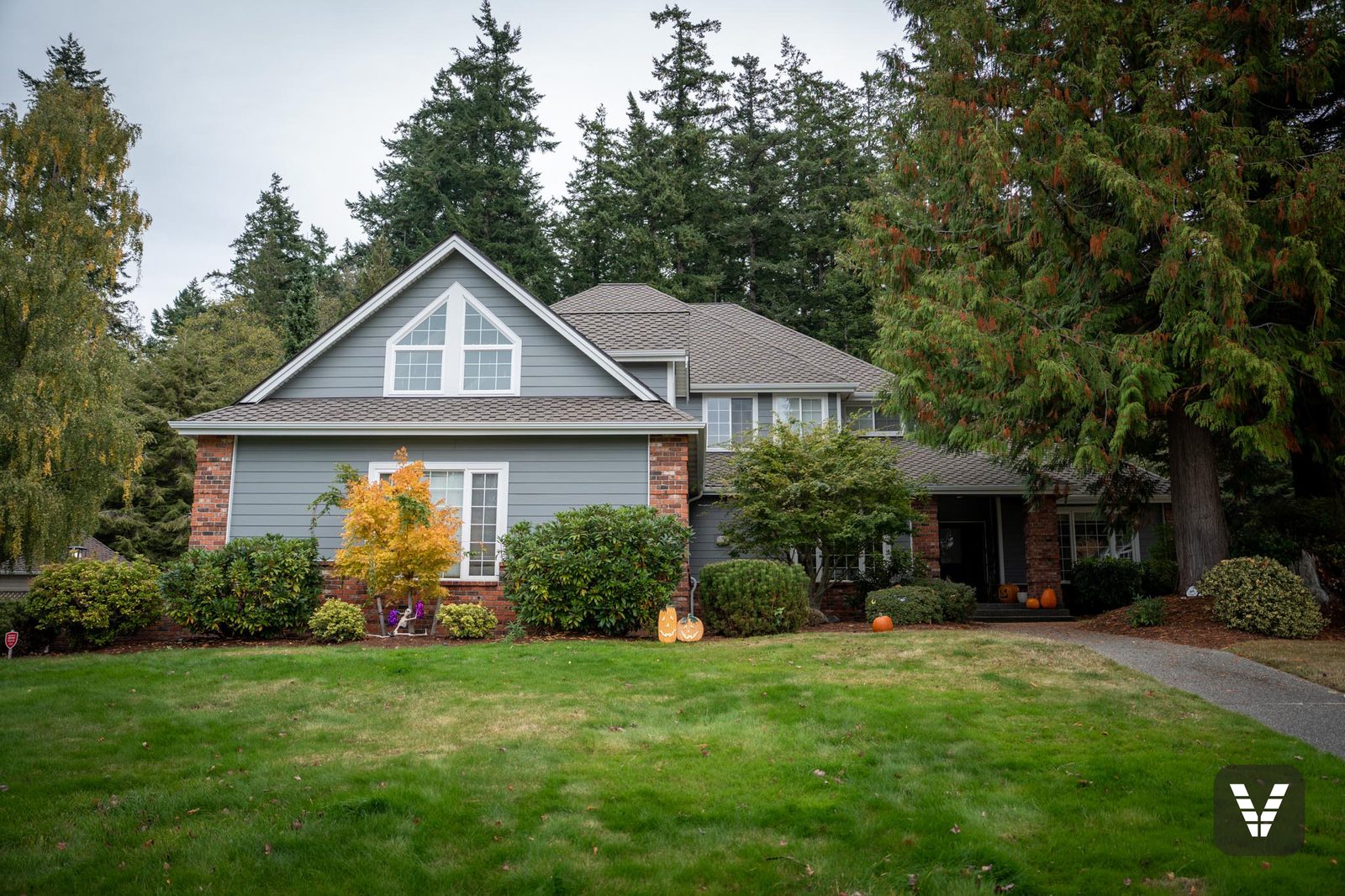
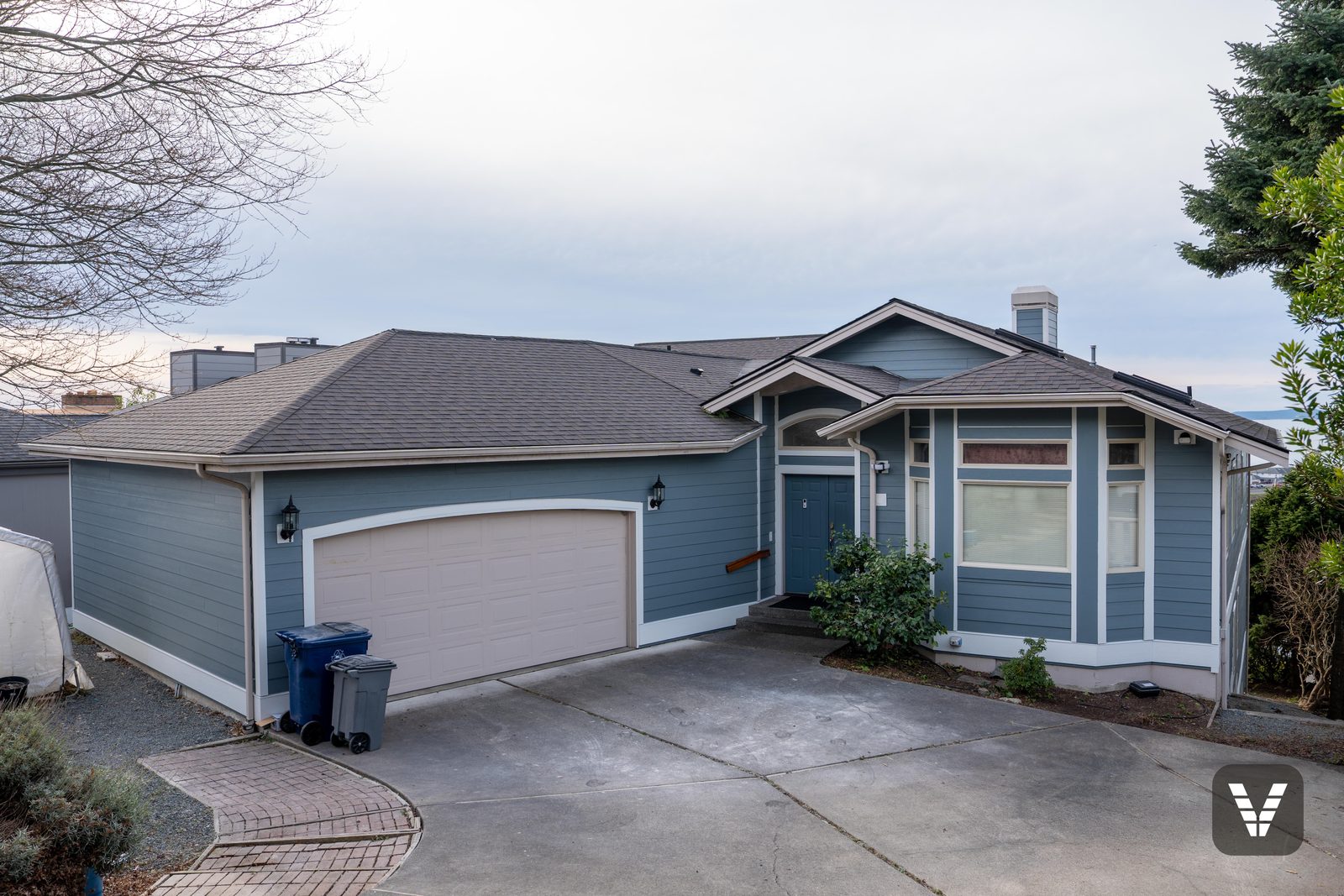
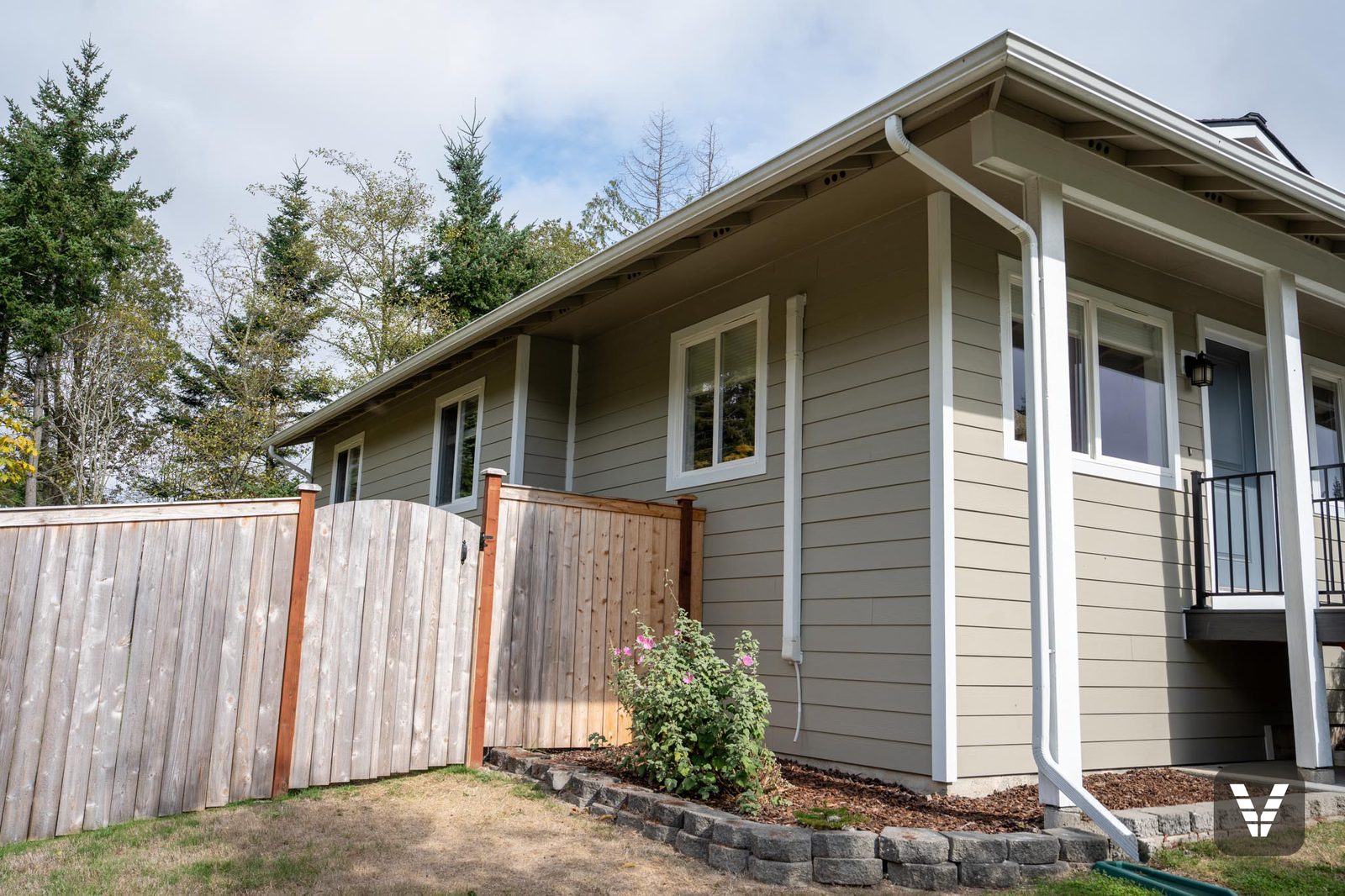
This is the work Concrete homes ask of us — from the Main Street townsite to the river roads. Flip through and picture your home next.
Get a Free Estimate →Concrete's housing is cement-plant era — compact mill-town homes from the 1910s through the '40s around Main Street and the silos, with cabins and newer builds scattered up the Baker River and along the Skagit. The weather is the county's hardest: significantly more rain than the lowlands, snow that actually accumulates, freeze-thaw cycles that crack lesser boards, and valley shade that feeds moss all year. Old walls here have usually been patched for a century — honest scoping matters more than anywhere downriver.
Permits run through the Town of Concrete's own building department for in-town parcels and Skagit County PDS for the river roads — we confirm per address and handle either start to finish, with permits pulled and passed across Skagit County and schedules built around the upper-valley weather window.
…and the upper-valley roads toward Rockport and Hamilton.

No pressure, no jargon — a clear path from first call to final inspection.
Call (360) 296-9380 or send the form — tell us a little about your home and what's failing.
We measure at your home, open up anything suspicious with your OK, and write a bid specific to your house — minimal boilerplate.
Permits pulled, work scheduled around the weather, and the final inspection passed before we call it finished.
Every bid is measured on site and itemized — these are the factors that actually change the number.
Wall area drives material; height drives scaffold time. A century mill-town two-story prices differently than a river cabin — and the weather window shapes the schedule.
Siding replacement →What's behind the old siding is the honest unknown — we scope known rot into the bid and price discovered rot transparently, per repair.
Rot repair →Hardie ColorPlus, primed fiber cement, or engineered wood — we quote options side by side so you see the real difference.
Compare materials →Combining siding and windows saves one full mobilization and gets properly integrated flashing — the cheapest time to do windows is during a re-side.
Window replacement →Concrete was built by cement, twice over. Settlers reached the Baker–Skagit confluence in 1871, and Magnus Miller platted the town of Baker in 1890 — but the real building boom came when the Washington Portland Cement Company opened on the east bank in 1905, spawning a rival settlement called Cement City, and the Superior Portland Cement Company built its plant on the Baker side in 1908. The two towns merged and incorporated in May 1909 under the only name that made sense: Concrete.
The housing stock that defines the town today went up on those paychecks — compact mill-worker homes from the 1910s through the '40s, filling the blocks around Main Street while the plant ran around the clock, employing about 160 in a town of roughly a thousand. The commercial district tells the same story in its bones: after fires repeatedly burned the wooden Main Street, the town rebuilt after 1921 in the one material it had in endless supply, and the concrete storefronts still stand. So do the era's showpieces — the Henry Thompson Bridge, among the longest single-span concrete bridges in the world when it opened in 1918, and Lower Baker Dam, completed in 1925 and for a time the tallest hydroelectric dam in the world.
Lone Star Cement took over the plant in 1957 and shut it down in 1968. The payroll left, the population thinned, and the housing stock largely froze — which is why so much of Concrete is still original 1910s–'40s construction, patched decade after decade rather than replaced. The silos at Silo Park are what remain of the plant itself.
For exterior work, that history is the whole brief: century-old walls carrying a hundred years of repairs, in the county's hardest weather — more rain, real snow, freeze-thaw — where honest scoping beats cover-up every time. Newer chapters like the Cedar Grove riverfront and the Lake Tyee cabins add their own patterns, but the mill-town core is what makes Concrete work different from anywhere downriver.
A free on-site estimate anywhere around Concrete — measured at your home, itemized, and scheduled around the weather honestly.