Every service below has its own Acme page — foothills moisture notes, Whatcom County permits, and what valley shade does to each material.
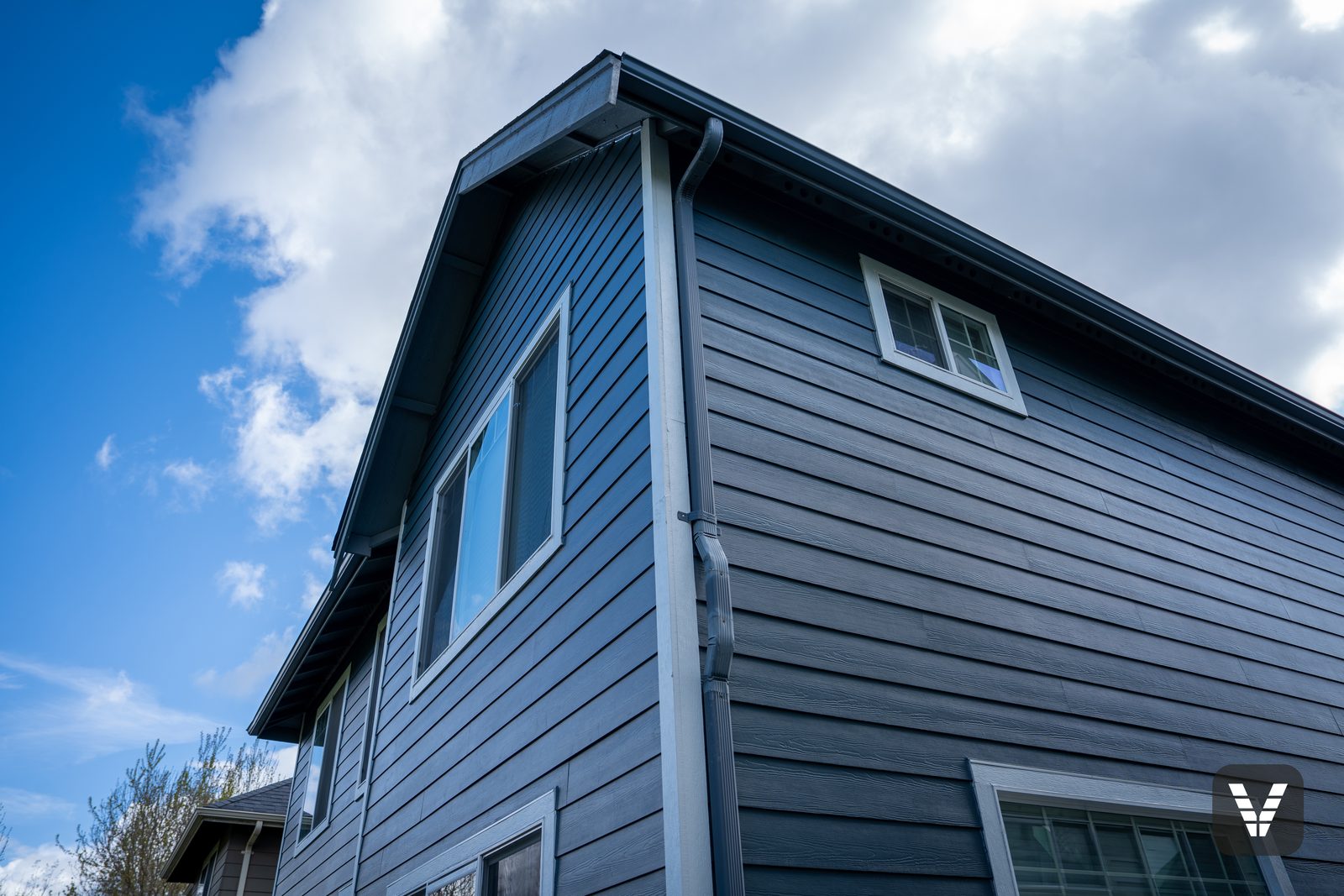
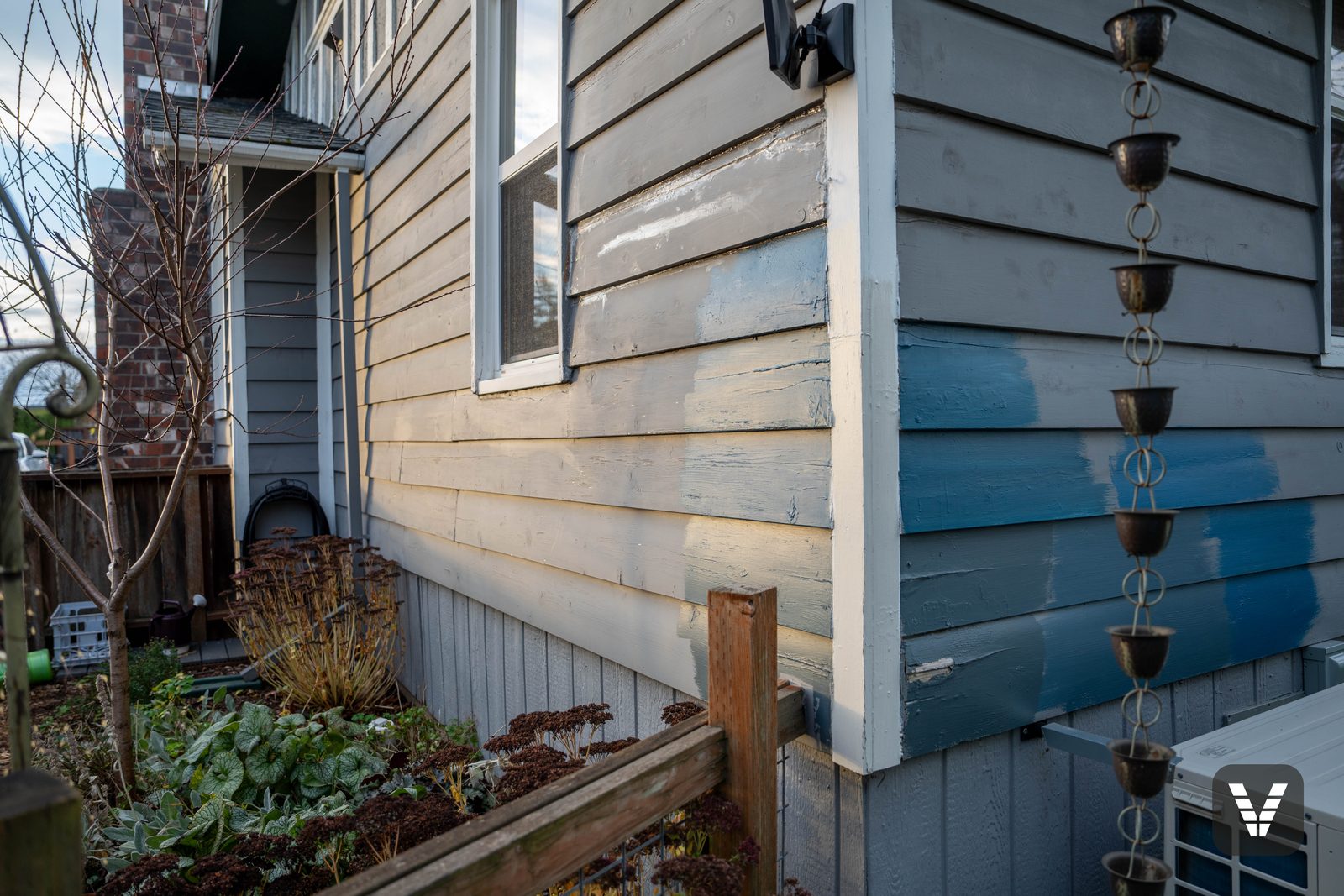
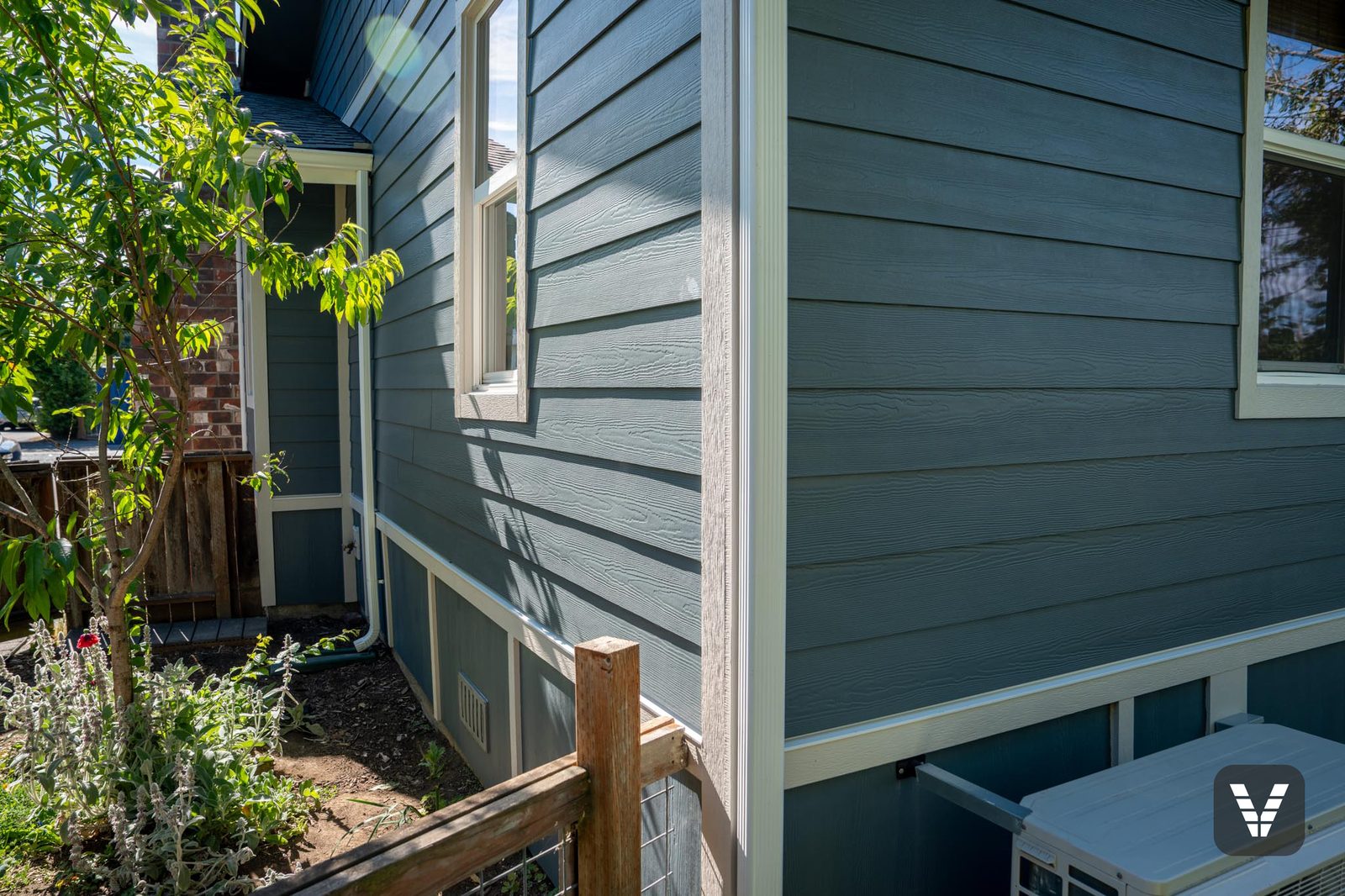
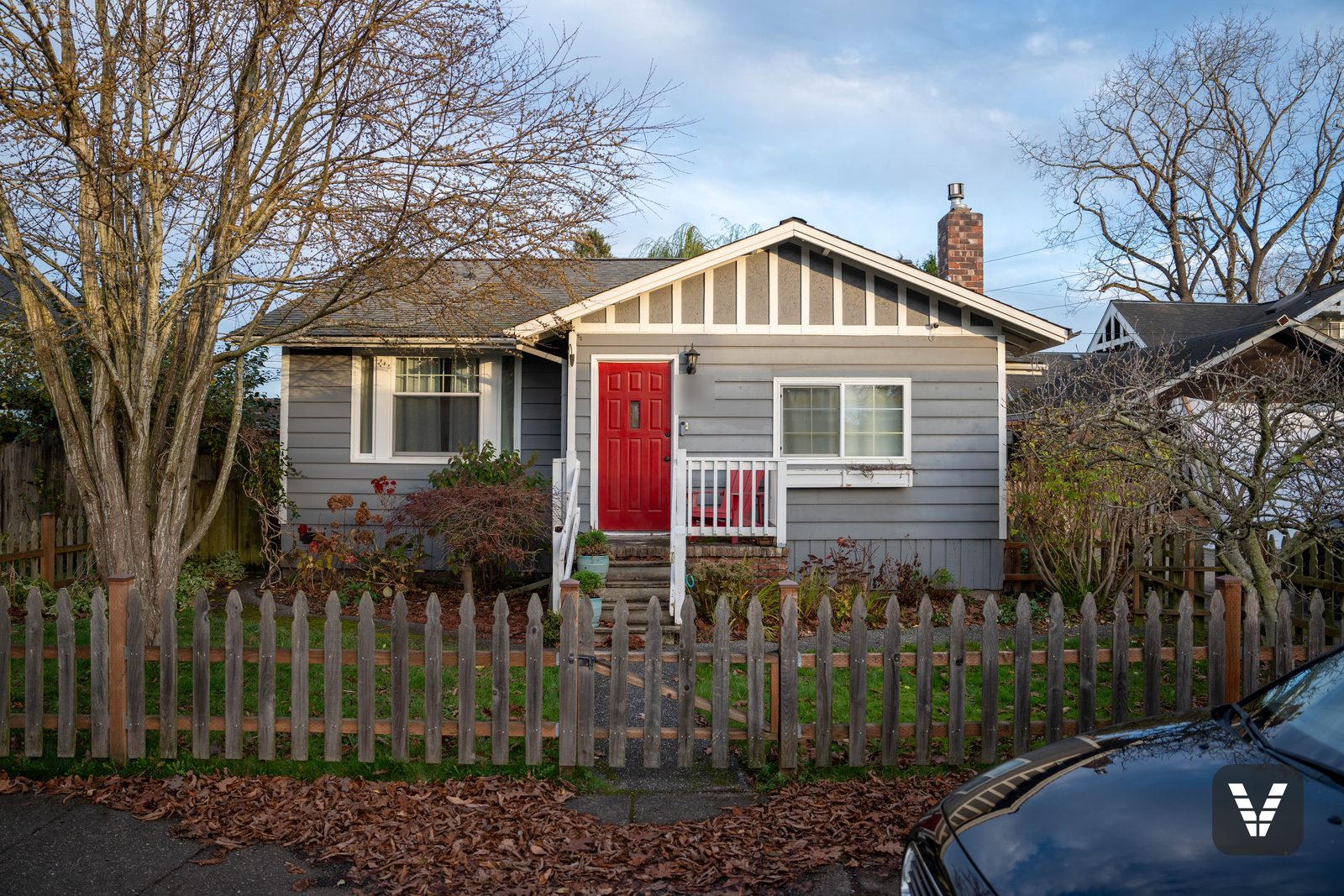
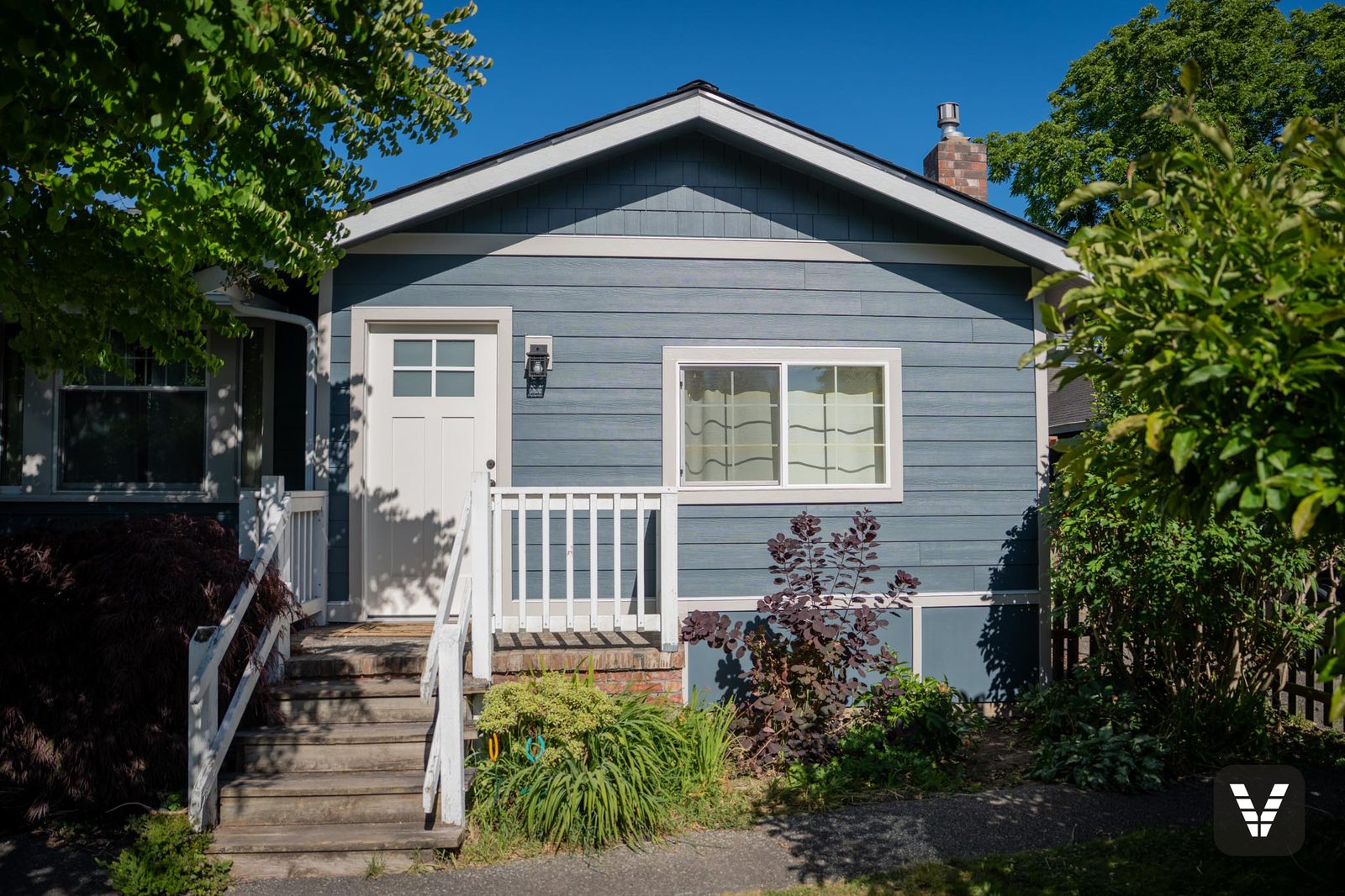
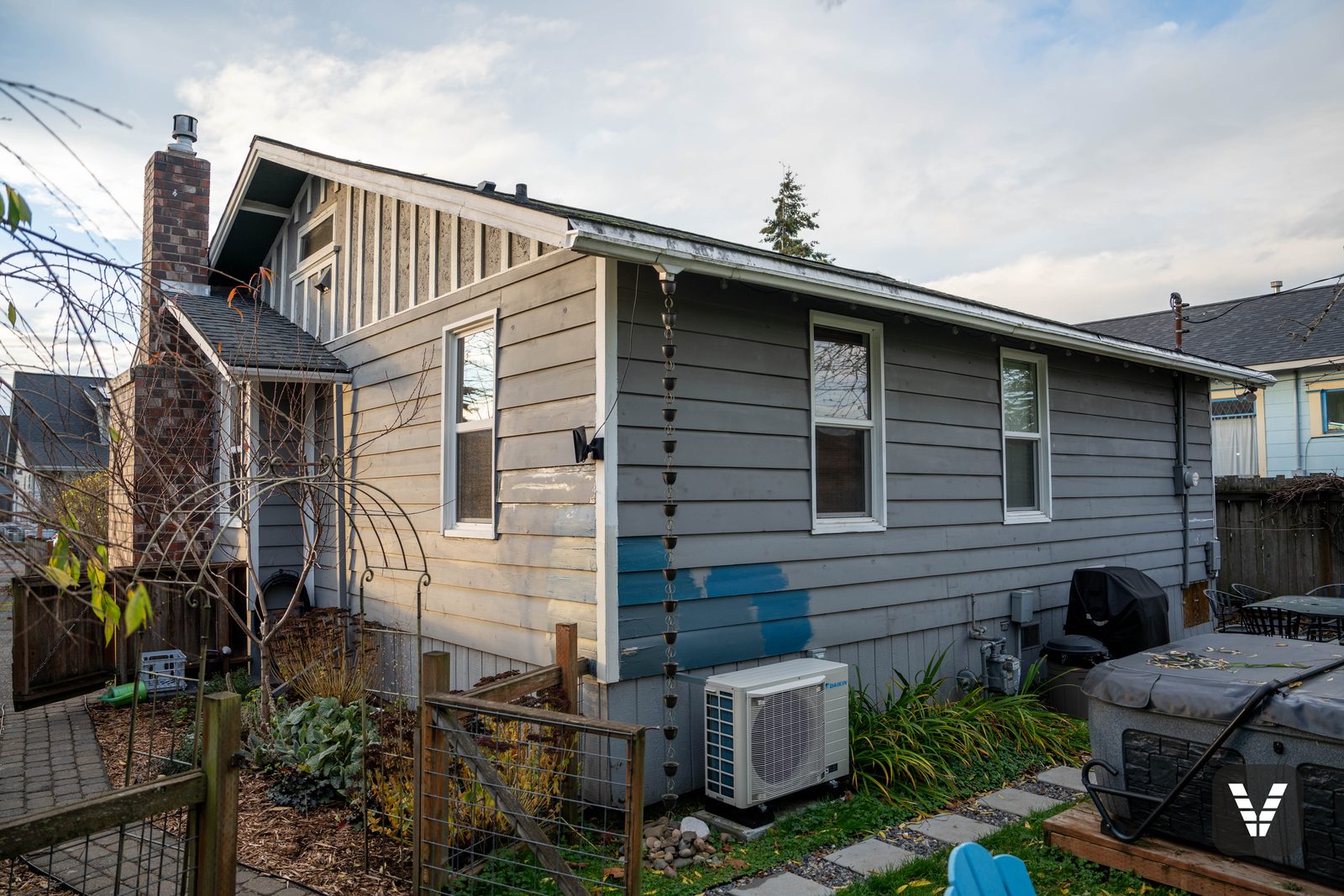
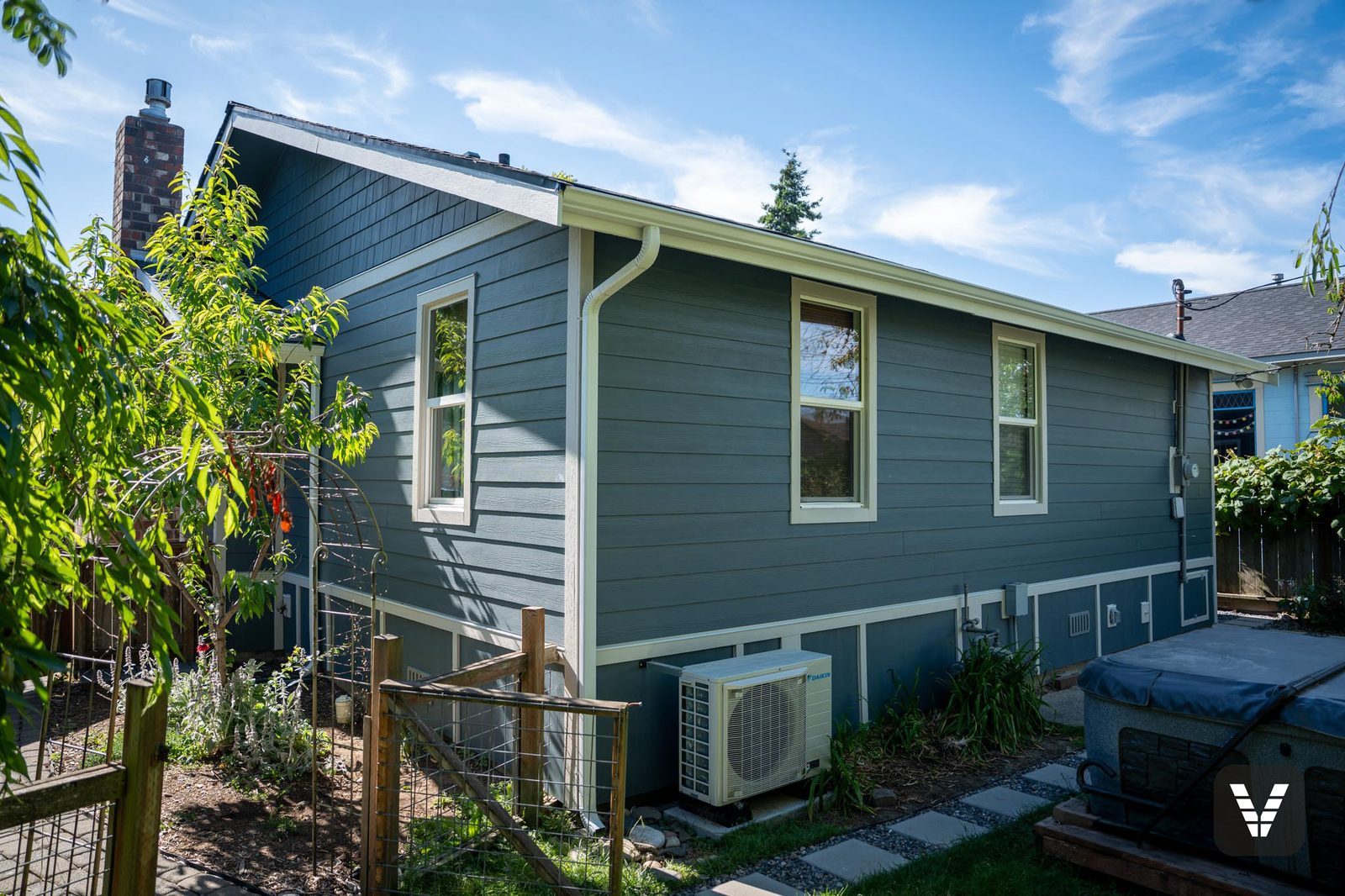
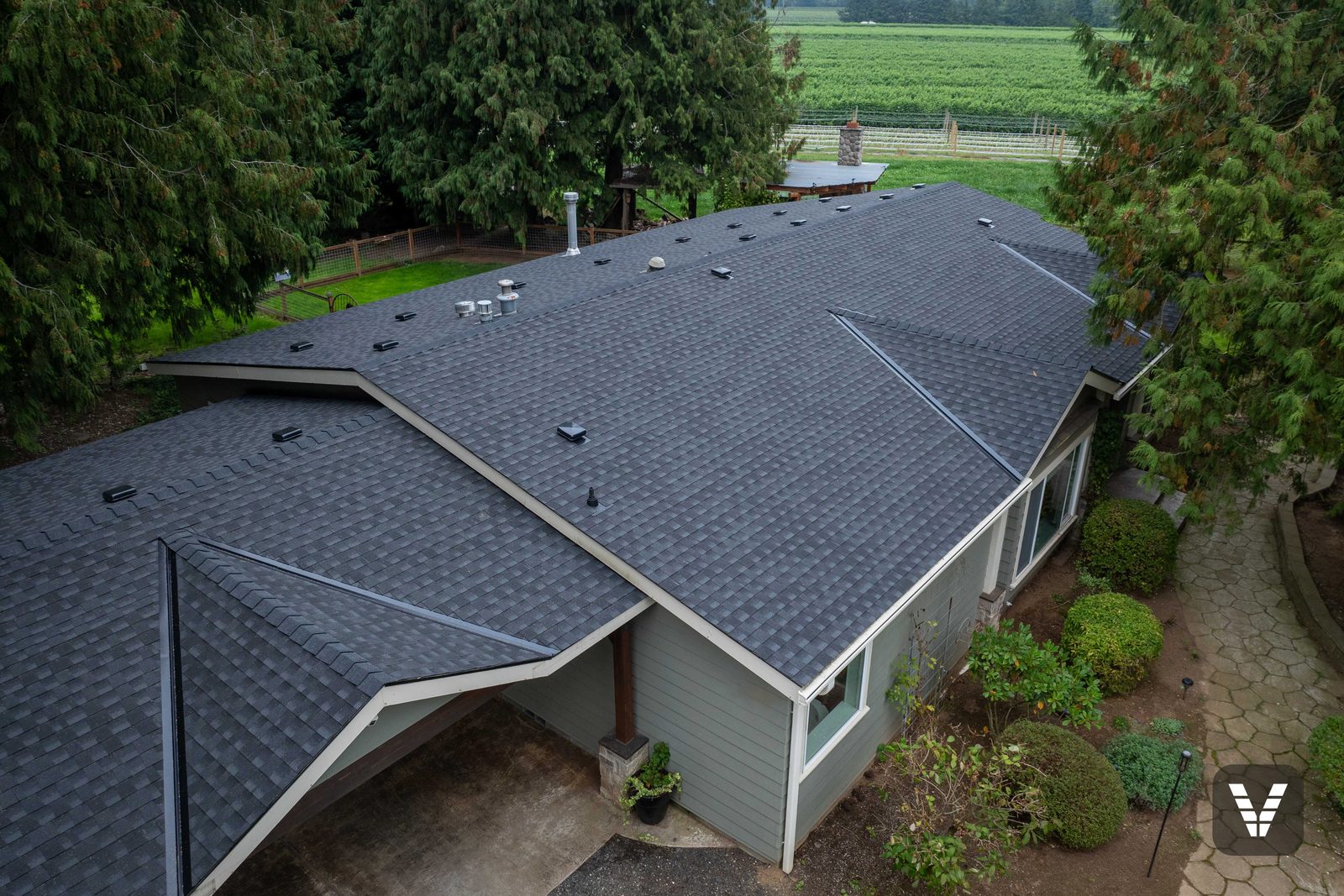
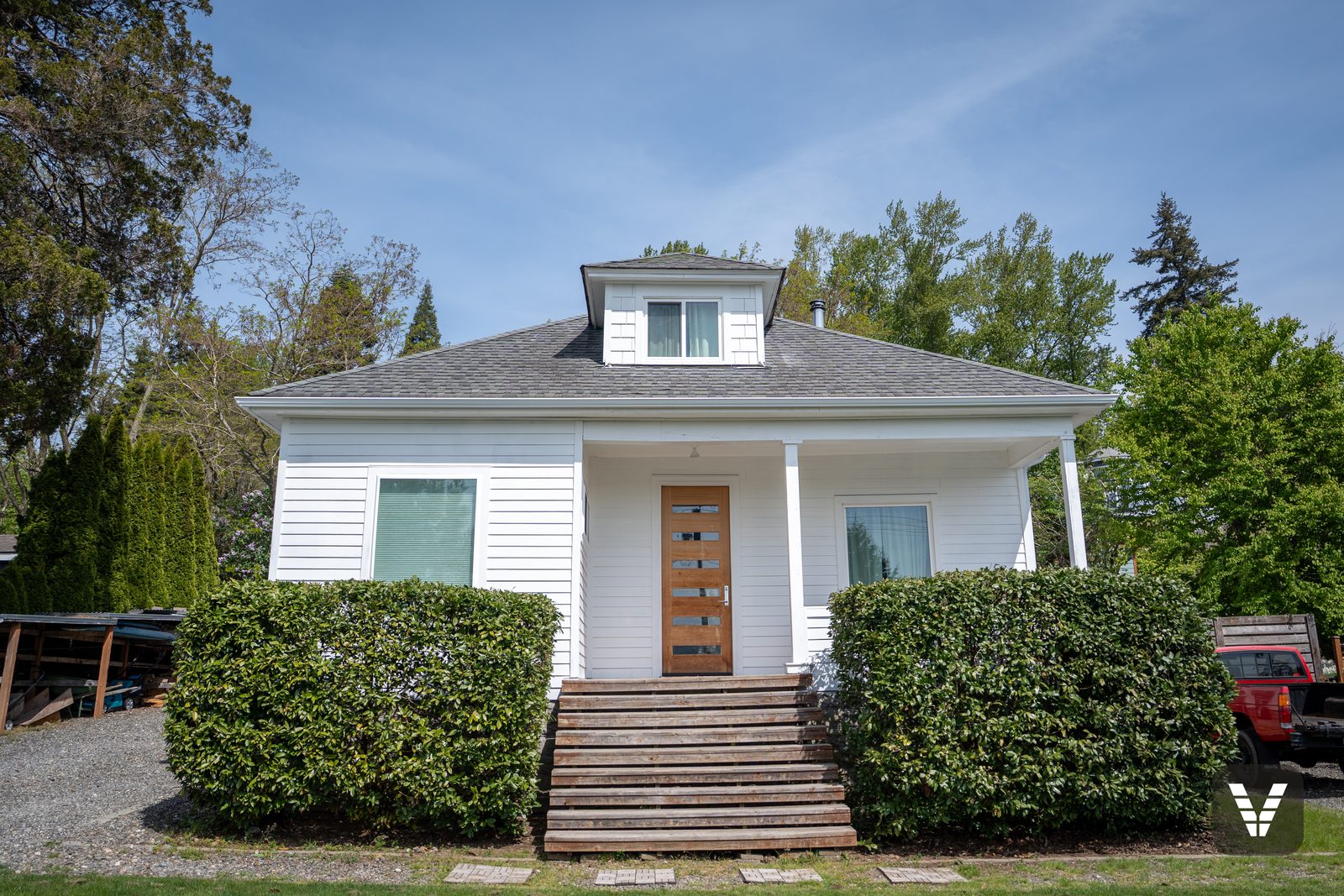
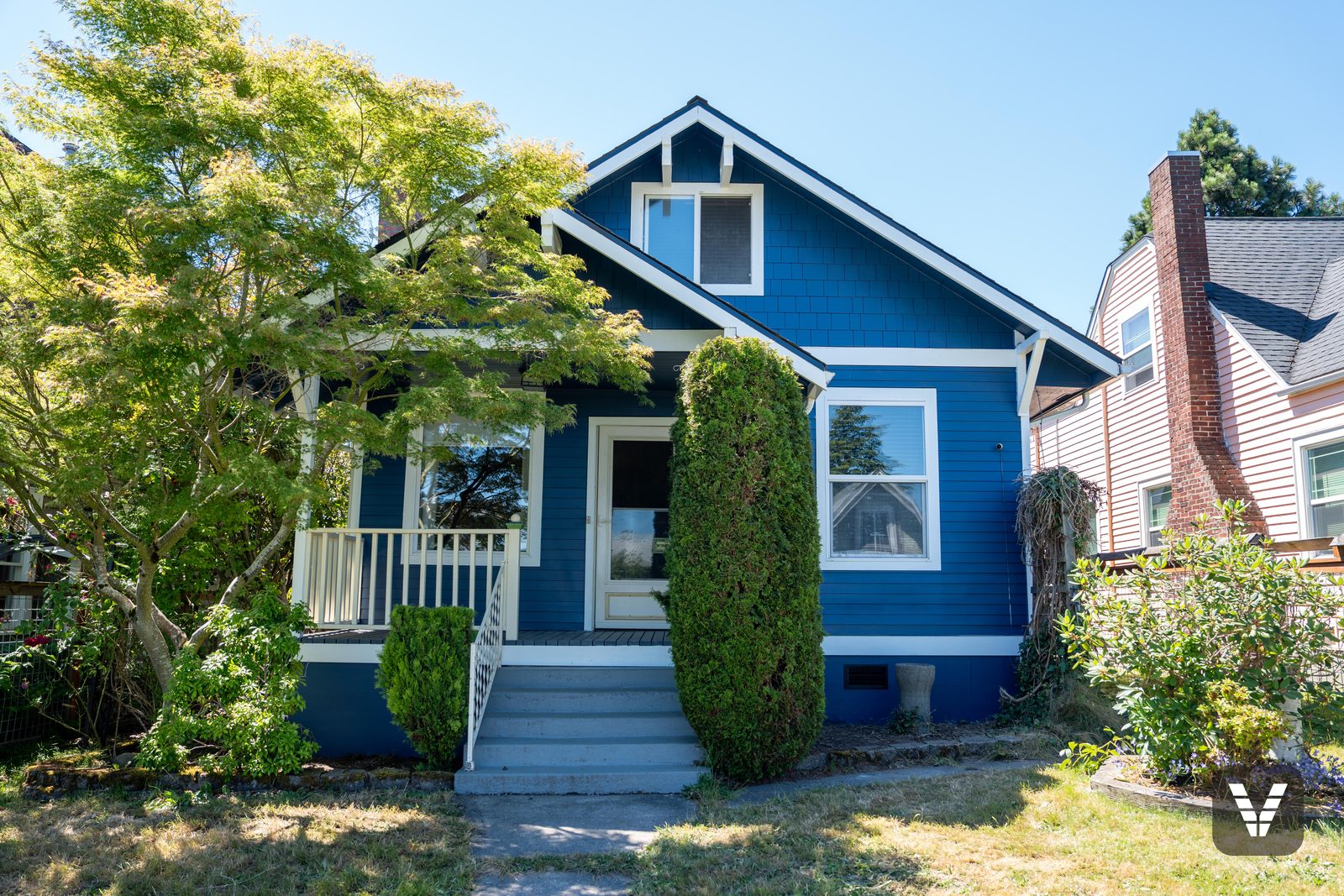
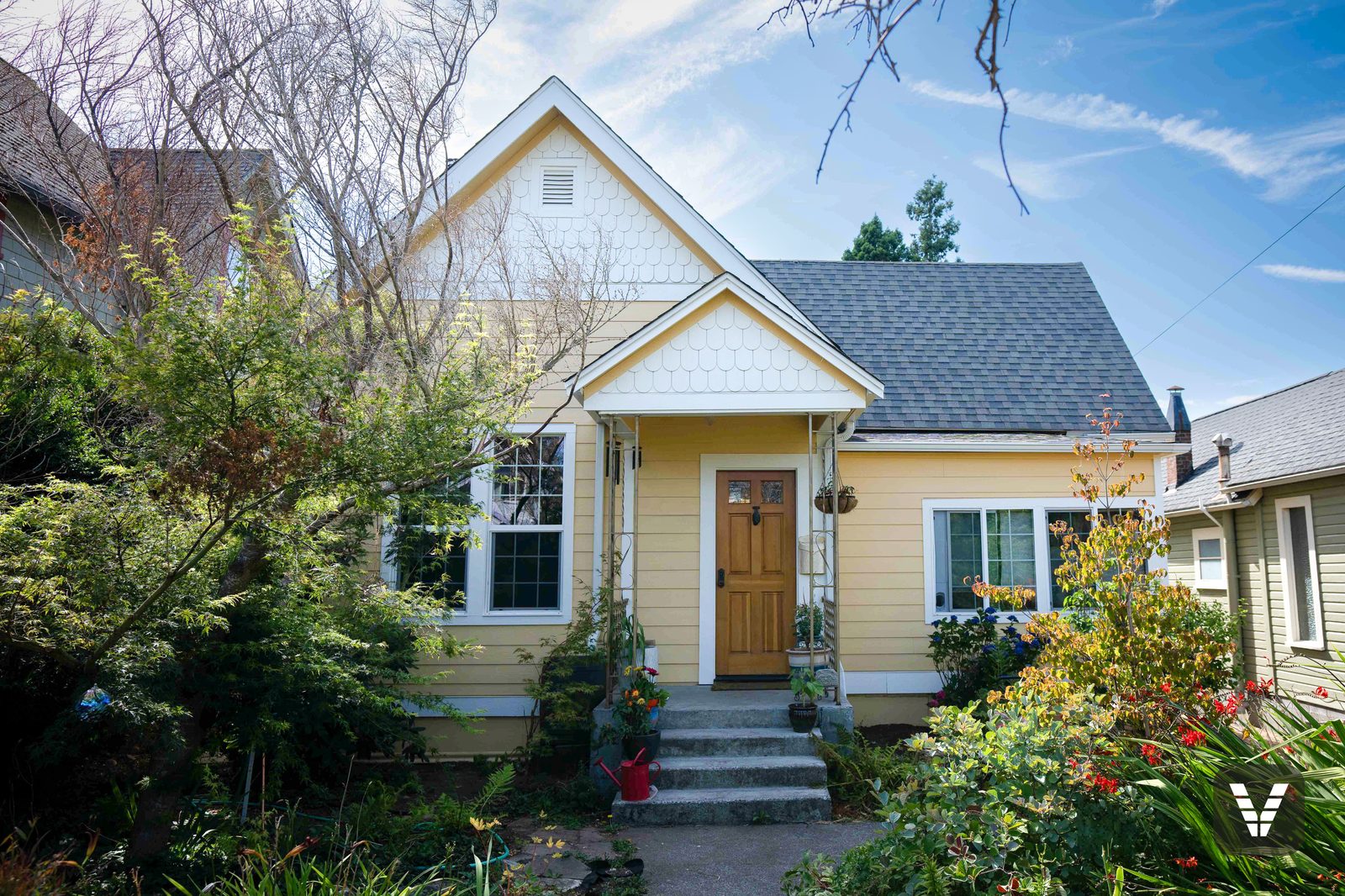
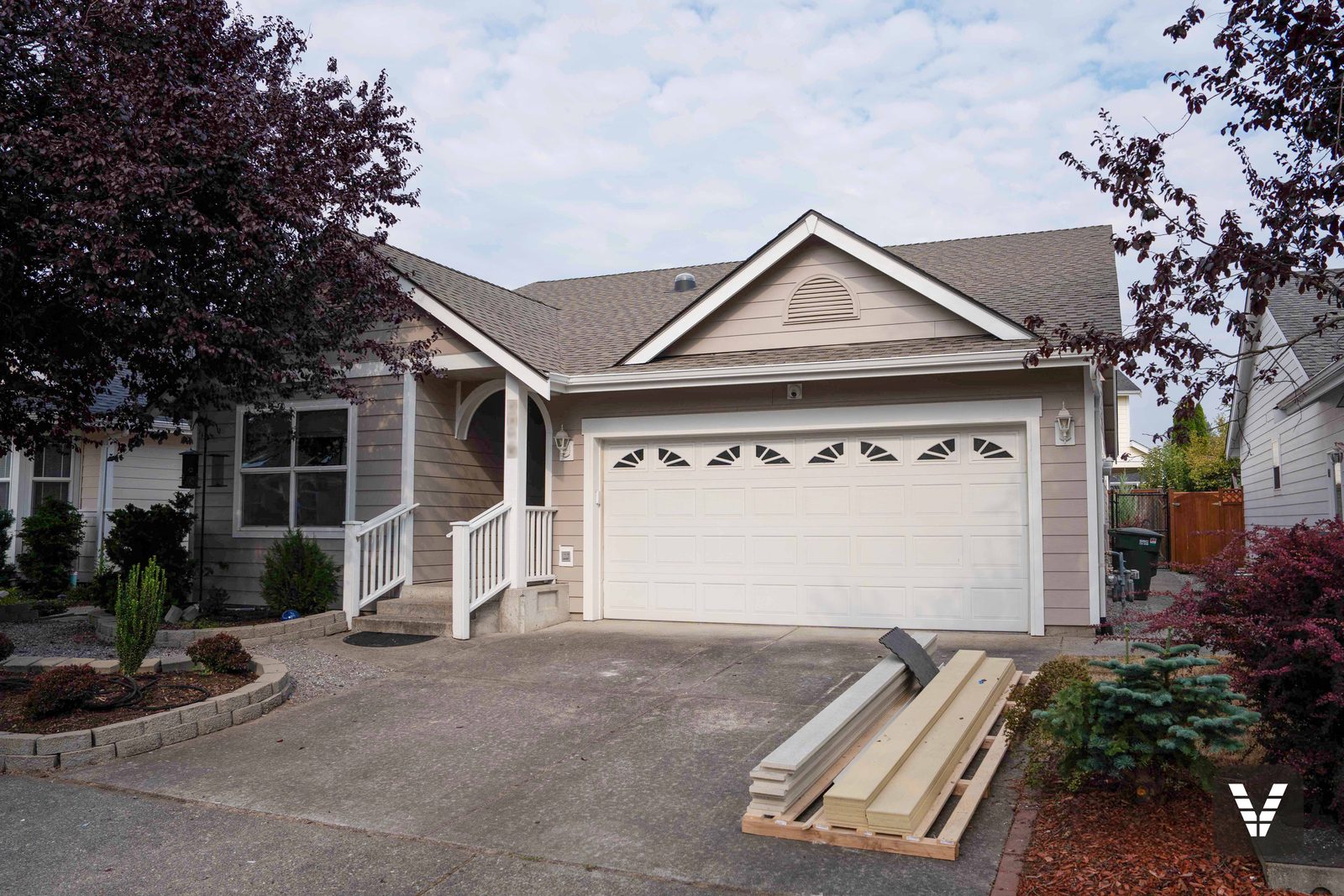
This is the work South Fork Valley homes ask of us — farmhouses and forested places from Acme to Van Zandt. Flip through and picture your home next.
Get a Free Estimate →The South Fork Valley is its own climate: more rainfall than the coast, morning fog that hangs in the valley, and forested lots where sun never fully dries a north wall. That's moss and rot country — cedar and asphalt age fast here, and the farmhouses and rural homes along Highway 9 and the Mosquito Lake Road often carry decades of moisture in their shaded walls. River-bottom properties near the South Fork Nooksack add flood-awareness to the list.
We build for valley moisture: assemblies that drain and dry, materials moss can't feed on, and honest advice about which walls need attention first. Acme is unincorporated, so permits run through Whatcom County PDS — routine paperwork for us.
…and the whole South Fork Valley, from Van Zandt to Saxon.

No pressure, no jargon — a clear path from first call to final inspection.
Call (360) 296-9380 or send the form — tell us a little about your home and what's failing.
We measure at your home, open up anything suspicious with your OK, and write a bid specific to your house — minimal boilerplate.
Permits pulled, work scheduled around the weather, and the final inspection passed before we call it finished.
Every bid is measured on site and itemized — these are the factors that actually change the number.
Wall area drives material; height drives scaffold time. A two-story home near Acme center / Highway 9 prices differently than a rambler off Van Zandt.
Siding replacement →What's behind the old siding is the honest unknown — we scope known rot into the bid and price discovered rot transparently, per repair.
Rot repair →Hardie ColorPlus, primed fiber cement, or engineered wood — we quote options side by side so you see the real difference.
Compare materials →Combining siding and windows saves one full mobilization and gets properly integrated flashing — the cheapest time to do windows is during a re-side.
Window replacement →The South Fork Valley was settled house by house before it was ever a town. Homesteaders worked their way up the valley in the 1880s — J. Milner Van Zandt, the settlement's first postmaster, homesteaded in 1883, Elizabeth Lyle Saxon gave her name to a claim upriver in 1885, and Acme took its own name in 1887, when Samuel Parks' post office borrowed it from the Acme Hymnal he used in church. The first generation of houses were true farmhouses: hand-cleared land, old-growth lumber, wood heat.
Then the valley's timber became the valley's economy. Around the turn of the century, cedar cleared from local homesteads fed shingle mills in the Acme Valley, and by 1905 the first logging camp was running just downstream of the Saxon Bridge, moving wood out by rail. Between 1920 and 1937, Bloedel-Donovan laid more than fifty miles of railroad through the Saxon and river-valley country — and mill-era housing followed the work.
When the big timber ran out, the rails came up and the boom towns shrank back into farmland; Saxon consolidated with Acme in 1937. What stayed behind is the housing stock we work on today: a core of homestead- and mill-era farmhouses more than a century old, mid-century houses along Highway 9, and the forested acreage homes that arrived in later decades.
For exteriors, that history sets the job. Century-old farmhouses carry beautiful old-growth bones under generations of patched siding — and a century of valley fog in their north walls. The newer acreage homes fight the same shade and moss on younger framing. Different eras, same valley weather — which is why every estimate here starts with a probe, not a brochure.
A free on-site estimate anywhere in Acme — measured at your home, itemized, and specific to your house.